
Tour review · TOUR REVIEWS
From Ubud: Authentic Bali Farm Cooking School & Organic Farm
A market, a garden, and a real meal. This half-day cooking class takes place on an 8000 square meter organic farm north of Ubud, where you learn how Balinese dishes are built from fresh ingredients.
I love the hands-on flow, from picking produce to cooking everything yourself. I also love that you end up making six dishes plus dessert, not just watching a demo.
One thing to watch: the market tour is only for the morning sessions, so check your time slot before you go.
Key Things to Know Before You Cook in Taro Village
- Morning market tour spotlights what people actually buy and eat in Balinese cuisine
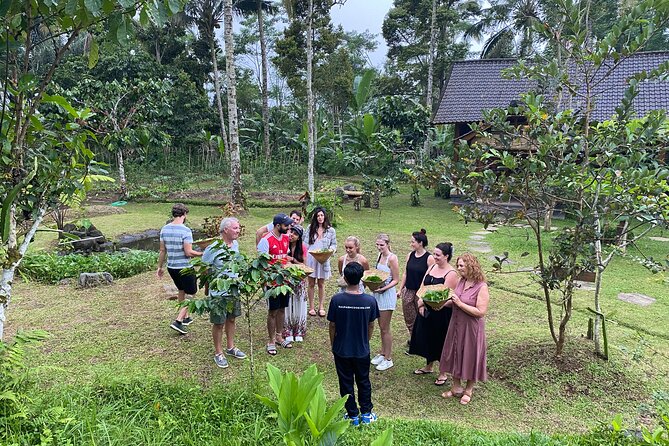
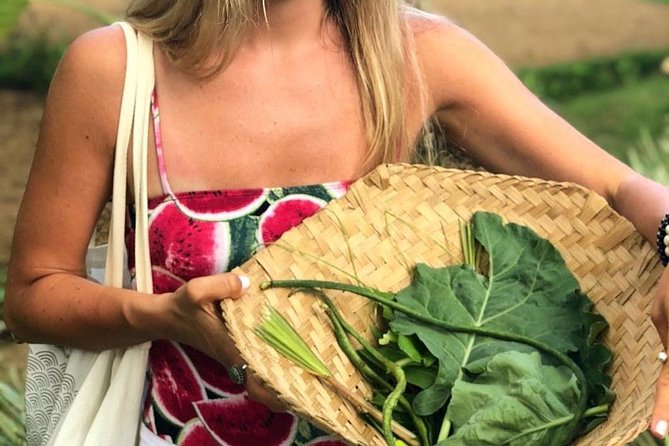
- Organic farm picking means you cook with ingredients you harvest right there
- Six dishes plus dessert gives you enough variety to recreate a full meal at home
- Small-group format (max 20) helps instructors keep an eye on what you are doing
- Take-home recipe book (print and PDF) includes substitutions and cooking tips
From Ubud to Taro, Where the Cooking Starts on the Ground
This experience is one of those rare Bali activities where you don’t just get fed. You learn the logic behind the flavors. The day is set in the Taro area, north of Ubud, at a community-run farm that spans about 8000 square meters. You’ll start in Ubud at Ubud Central Parking (Jl. Suweta No.18), then head out on an air-conditioned vehicle.
Why I like this setup: Bali cooking can feel complicated until you see where ingredients come from. This class links the dots. You begin with food you can recognize, move into hands-on farm work, and then cook with the same ingredients you saw (or picked).
The total time is around 5.5 hours, which is a sweet spot. Long enough to learn real skills and eat well, not so long that it stomps on your whole day.
You can also read our reviews of more cooking classes in Ubud
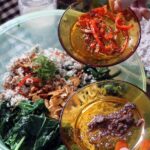
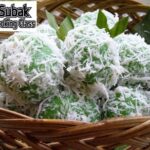
Morning Market Tour: What You Should Actually Pay Attention To
If you book a morning session, the first big stop is a traditional market tour. This is not a quick photo op. It is designed to help you understand what makes Balinese food taste the way it does.
Here’s what you can expect during the market portion:
- You’ll look at fresh produce, local fruit, and common cooking ingredients.
- You’ll get context on spices and aromatic components that show up again later in your dishes.
- You’ll taste or sample items when offered, which helps you remember flavors instead of just recipes.
This part matters because market shopping teaches you a practical skill. When you cook at home, the biggest challenge is knowing what to substitute and how to keep the taste close. The class’s recipe materials later are built to support that kind of replacement cooking.
Important consideration: the market tour is morning only. If you want that market experience, don’t assume it is included in every session.
The Organic Farm Grounds: Picking Ingredients Like a Local
After the market (for morning sessions), you head back to the farm in Taro Village. The farm aspect is more than scenery. It is part of the lesson plan.
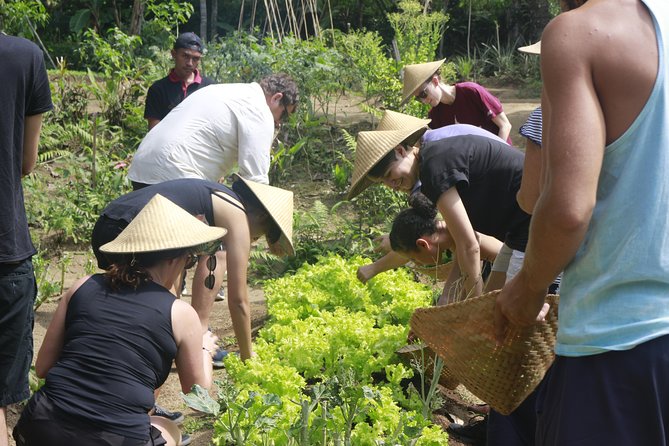
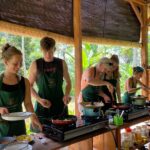
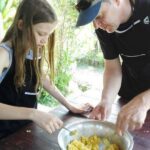
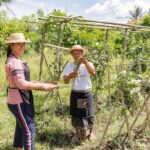
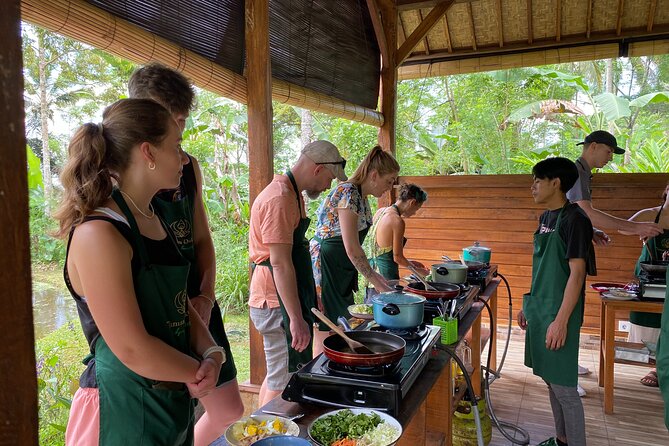
You’ll spend time on the organic farm and pick fresh produce from the garden for your cooking. The instructors set this up so you can connect plants to dishes. When you’re later chopping, grinding, and combining ingredients, you’ll recognize what you gathered and why it works.
I like how the farm portion reinforces sustainability without getting preachy. You are seeing how a working growing space feeds a cooking school. That changes your relationship with the meal. You eat with more respect, and you remember more.
You should also expect a real outdoor setting. The class is in shaded, comfortable areas for dining, but you are still moving around a farm. Wear something you can get a little “nature” on.
Cooking Class Flow: 6+ Dishes, Dessert Included
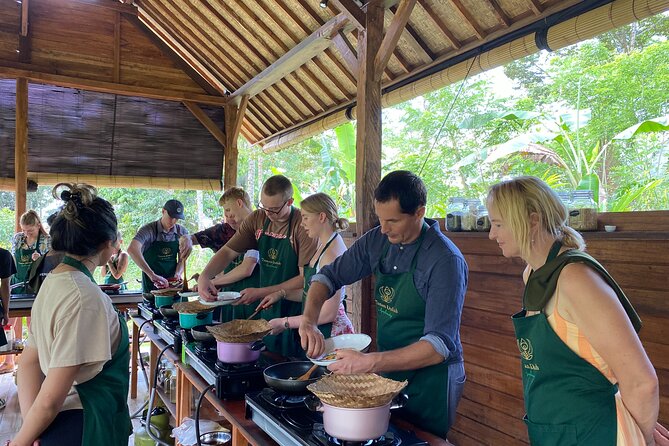
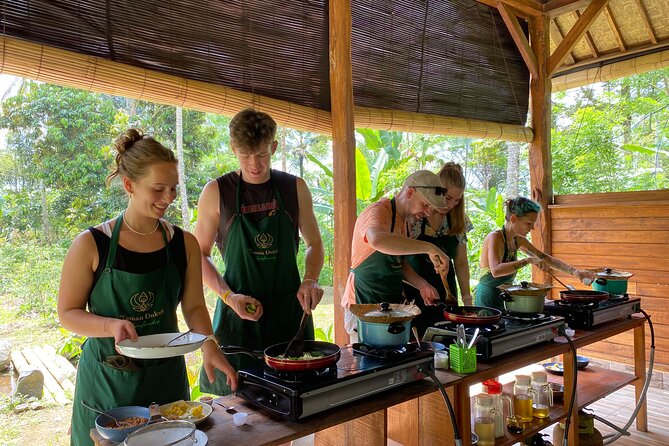
Now the fun part: you cook. In this class, your group prepares six different dishes, and the menu includes dessert. The goal is that you walk away with a practical set of recipes, not a vague sense of how Balinese food tastes.
The instruction style is designed to be hands-on and step-by-step, with clear English guidance. The class is also set up to cater to various diets, so if you have dietary limits, tell the operator ahead of time.
A typical flow looks like this:
- The instructors explain each dish and the key flavors you are aiming for.
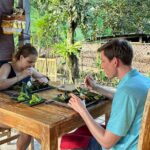
- You actively participate in preparation and cooking, using provided utensils.
- You assemble a multi-course meal from scratch.
- You eat what you cook together as the day progresses.
One thing to understand before you go: it is not a light labor experience. You may do plenty of cutting and prep work. Some people enjoy it as part of learning. If you prefer a more low-effort class, you might find yourself wishing for prepped ingredients. The upside is you will actually understand the process.
What you’re really learning with those chopping sessions is technique. You’ll learn how ingredient size, freshness, and seasoning balance affect the final dish. That is what makes the recipe book useful later.
What You Eat: A Real Multi-Course Lunch
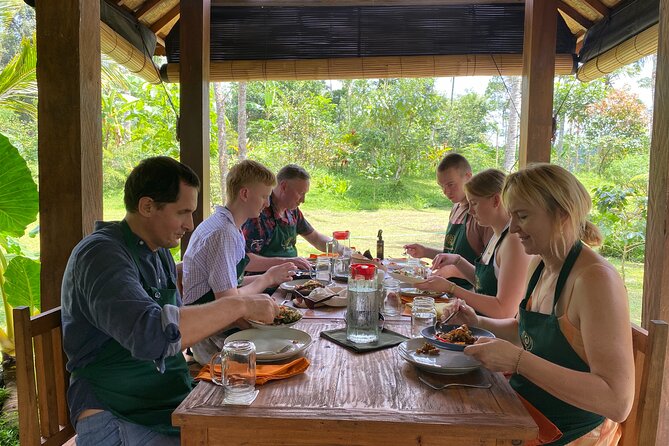
The included meal is a lunch built from what you cook. You are not leaving hungry, and you are not eating a separate buffet of unrelated food. This matters because the recipes you take home align with what you tasted.
You’ll also get coffee and/or tea, plus bottled water. Alcohol and soda are available for purchase, but they are not included.
In terms of setting, you eat in a comfortable, shady area. That’s a small detail, but it matters in Bali. Being outside is great, until you are cooked by the sun and tired from prep. This class keeps the dining area comfortable so you can enjoy the food you made.
A few more Ubud tours and experiences worth a look
The Recipe Book Take-Home: Why It’s More Than Paper
At the end, you get a take-home recipe book, available as print and PDF. That is genuinely useful if your goal is to cook at home.
The materials include:
- Ingredient substitutes
- Cooking tips
- Links to technique videos
This is where the class becomes more than a one-off. Recipes fail when you can’t find a specific ingredient or you don’t know what texture you should be aiming for. Substitutions and technique links help you match flavor and process even when your pantry is different from Bali.
If you like to cook, this is the part you will use again and again.
Price and Value: Is $38 a Fair Deal?
At $38 per person for about 5.5 hours, this tour is priced in the “good value” zone for Bali. It is not just a cultural show. You are paying for:
- Market context (for morning sessions)
- Farm picking time
- Guided cooking instruction
- The food you cook, served as lunch
- A recipe book in both print and digital formats
Also, the included items reduce add-on costs: utensils, apron, bottled water, and coffee or tea are all part of the package, and transport is handled with an air-conditioned vehicle.
A practical way to judge value: think of it like a cooking day that replaces multiple meals and gives you a structured menu. If you try to recreate this in a private setting or as a market-and-cooking workshop on your own, you usually spend more.
Group Size and How It Feels Day-to-Day
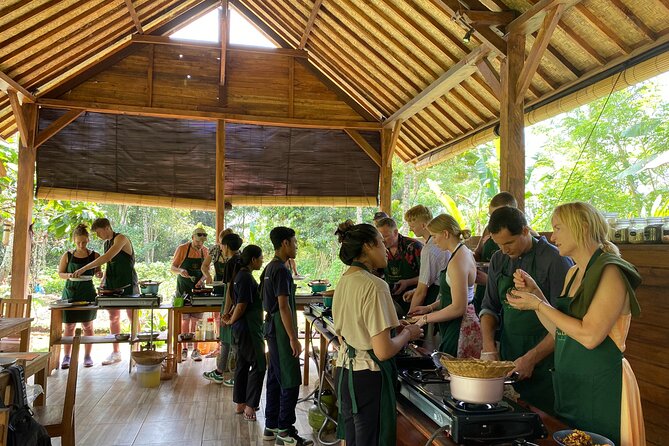
The class runs with a maximum of 20 travelers, which usually translates to a more manageable pace. The class is designed for small group participation, and instructors help you step-by-step so you can join in instead of just tasting.
You should show up with a can-do attitude. Cooking classes go smoother when you focus on process rather than perfection. If you are the type who wants to do everything exactly right, you may get frustrated during the hands-on prep. If you enjoy learning as you go, this is a great format.
Who This Bali Farm Cooking Class Suits Best
This is a strong match for:
- Food lovers who want a menu with real variety, including dessert
- People who learn best by doing, not just watching
- Travelers who want an experience tied to ingredient sourcing, not only restaurant technique
- Anyone who appreciates a sustainable, community-run farm setting
It might be less ideal if:
- You strongly prefer a low-prep cooking day with minimal chopping
- You only want the market element but you accidentally book a non-morning session
- You are sensitive to outdoor farm conditions and prefer fully indoor activities
Quick Tips Before You Book
- If the market tour is a top reason you want this class, book a morning session.
- Bring a positive attitude for hands-on prep, including cutting.
- If you have dietary restrictions, make sure the operator knows, since the class says it can cater to various diets.
- Wear comfortable clothes you can move in, and consider footwear for farm paths.
Should You Book This Tour?
If you want a Bali cooking experience that feels grounded in real ingredients and real steps, I think you should book it. For $38, you get a half-day that combines market learning, farm picking, guided cooking, and a take-home recipe system you can actually use.
If your priority is a totally relaxed, no-prep class, or you only want the market and you are booking later in the day, double-check your session time first. Once that lines up, this is the kind of activity that turns your Bali trip into a cooking skill you can repeat back home.
FAQ
What is the duration of the cooking class?
The experience runs for about 5 hours 30 minutes.
Where do I meet for the tour?
You start at Ubud Central Parking, Jl. Suweta No.18, Ubud, Bali, and the activity ends back at the meeting point.
What is included in the price?
The tour includes coffee and/or tea, lunch (all the food you cook), air-conditioned vehicle, cooking utensils, bottled water, and an apron.
Do I get to cook dishes, or is it just a demonstration?
You prepare six different dishes, including dessert, with step-by-step instruction.
Is the market visit included?
Yes, the experience includes a traditional market tour, but it is described as a morning experience only.
Does the class accommodate dietary needs?
The class says it can cater to various diets, and the instruction is step-by-step with clear English.
Do I get a recipe book to take home?
Yes. You receive a take-home recipe book in print and PDF, with cooking tips and ingredient substitutes.
Are alcoholic drinks included?
Alcoholic beverages and soda are not included, but they are available for purchase.
More Farms in Ubud
More Cooking Classes in Ubud
More Tour Reviews in Ubud



Not for you? Here's more nearby things to do in Ubud we have reviewed






Tour Reviews, compared.
 ★ 5.0All-Inclusive Ubud Private TourFrom $10014,344 reviews
 ★ 5.0Best of Ubud Full-Day Tour with Jungle SwingFrom $568,571 reviews
 ★ 5.0Monkey Forest, Jungle Swing, Rice Terrace, and Water TempleFrom $317,160 reviews
 ★ 5.0Best of Ubud 1-Day Private TourFrom $544,451 reviews
 ★ 4.4Bali: Ubud Palace Legong Dance Show TicketFrom $63,979 reviews
 ★ 5.0Uluwatu Sunset, Kecak Dance, and Dinner Jimbaran BeachFrom $353,681 reviews
 ★ 5.0Tanah Lot and North Bali Tour: Scenic JourneyFrom $1003,620 reviews
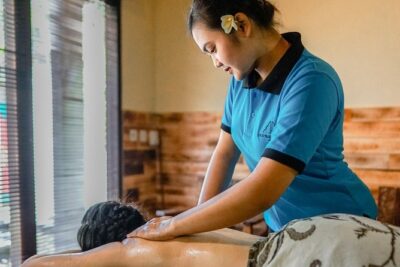 ★ 5.0Body Massage Experience in Ubud Traditional SpaFrom $213,506 reviews
Browse the lists this tour appears in