
Tour review · TOUR REVIEWS
Ubud Cooking Class Bali with Balinese Chef
Cooking your own Bali lunch is the point. This Ubud cooking class stands out because you cook every dish yourself at a personal station, guided in English by a Balinese chef, then you sit down to eat what you made. The one thing to watch is the pickup setup: morning pickup return is for Ubud center only, and outside that area costs extra.
I also like how the day is structured so it feels practical, not like a demo. You get a short stop at the Ubud Traditional Art Market for the morning option, then you move straight into chopping, mixing, grilling, and frying with your own tools.
My other big plus is the menu choice. You can pick a vegetarian or non-vegetarian set, and either way you still end with dessert. If you are staying in the wrong part of town for pickup, plan on meeting at the stated points, especially for the afternoon session.
Key Highlights to Look For
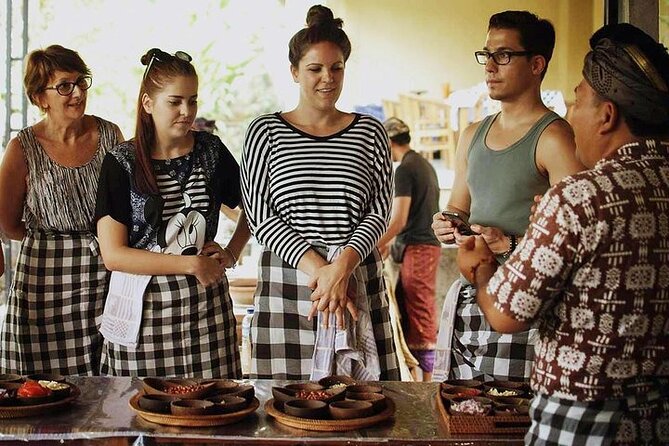
- Your own cooking station and utensils so you actually cook, not just watch
- English instruction with a Balinese chef, with step-by-step help
- Short Traditional Art Market visit on morning departures (30 minutes)
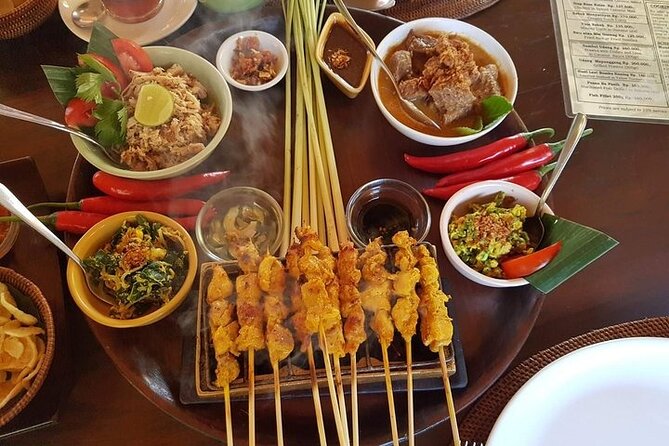
- Seven dishes plus dessert, with peanut sauce and spice paste skills built in
- Vegetarian or non-vegetarian menus so you can match your diet
- Small class size, up to 24 for more real interaction with the instructors
What This Ubud Cooking Class Really Feels Like
This is a hands-on cooking class designed for normal people with normal attention spans. The schedule is short, the pace is lively, and the focus stays on doing. From the moment you start mixing and chopping, it helps you understand why Balinese flavors taste the way they do, not just what the final plate looks like.
The best part, for me, is that you are not relying on someone else’s timing. You do the work, you taste the result, and you leave with a mental map of the flavors. Even if you only remember a few core steps, you will still know what to look for next time you cook Indo-food at home.
You also get a clear payoff. At the end, your lunch or dinner is essentially your own class assignment. That is a rare setup, and it makes the whole thing feel worth the time, not just worth the photos.
You can also read our reviews of more cooking classes in Ubud
Where the Day Starts: Ubud Center Pickup, and the 2:30pm Meet Point
The class has two different timing patterns, and both matter for your plan.
For the morning class option, pickup is from hotels in Ubud center only. You get a return transfer as well, but it is sharing car, and it is limited to that central zone. If you are staying outside Ubud center, there is an extra pickup arrangement, and the info provided sets a ceiling at IDR 600K per car for that additional transfer.
For the afternoon class option, the meeting point is 2:30pm at Lapangan Desa Ubud for return pickup. If you want to avoid stress, aim to be there a little early so you can settle in and start on time.
Also note this is for Ubud specifically. If you are coming from farther away, confirm your pickup details before you get your hopes up. This class is popular, and the logistics are clear, but they are not automatic for every address.
The Morning Add-On: Ubud Traditional Art Market in 30 Minutes
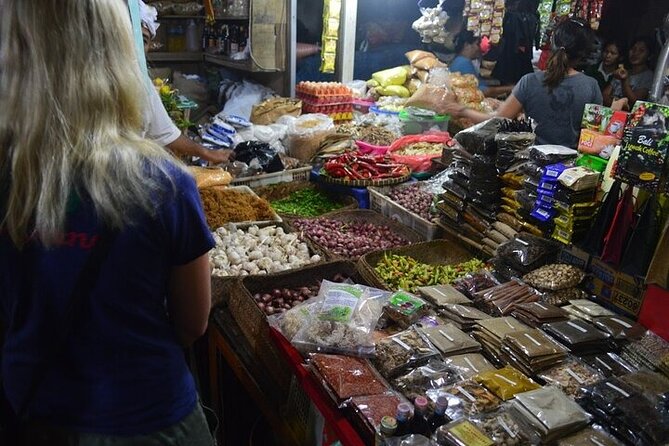
If you book the morning version, you get a quick visit to the Ubud Traditional Art Market. The time is tight at about 30 minutes, and it is there for a reason: you see the everyday ingredients and the marketplace vibe that sits underneath Balinese cooking.
You also have freedom to browse, but keep in mind personal shopping is not included. That means you should budget small cash spends if you want spices or snacks, and you should not expect everything to be bundled.
Even in a short window, a market stop can change how you cook. It helps you recognize ingredients like nuts used for peanut sauce, spice paste components, and the general idea of sourcing. You do not need to become a forager. You just need to get the connection between what you buy and what you make.
If you are more into cooking than shopping, the market stop is still worth it because it is short and organized, not a wandering free-for-all.
Cooking Class Setting at Ketuts Bali: You Cook From Start to Finish
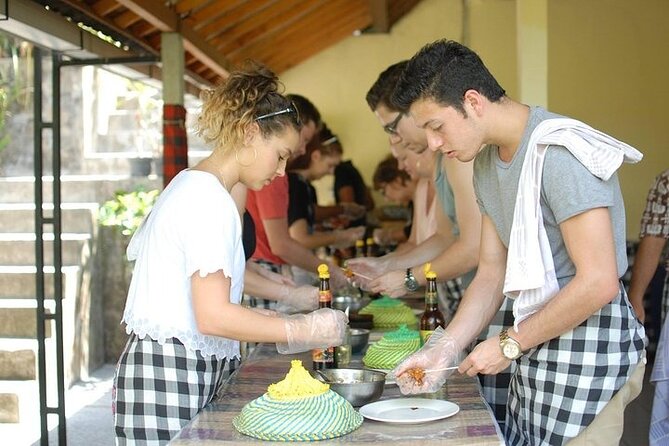
The cooking class runs about 4 hours (approx.), and you are with an instructor team at Ketuts Bali Cooking Class. The format is straightforward: you learn, then you do it.
You get:
- your own cooking station
- cooking ware and utensils
- ingredients
- and an English-speaking local chef who teaches while guiding
The class is also described as step-by-step, and multiple people call out that the instructions are clear. In practical terms, that means you are less likely to get lost when the process gets technical, like making a spice paste or balancing sauce flavors.
The class is capped at 24 travelers, which helps. You are not stuck watching a lecturer from across a kitchen island. You can ask questions, get hands-on correction, and actually keep up with the group.
One small detail that matters: you do not just learn recipes. You learn the method. The dishes revolve around a few repeating flavor engines, and once you grasp those, the rest feels like pattern recognition rather than memorizing a random list.
Vegetarian or Non-Vegetarian: The Full Menu You’ll Make
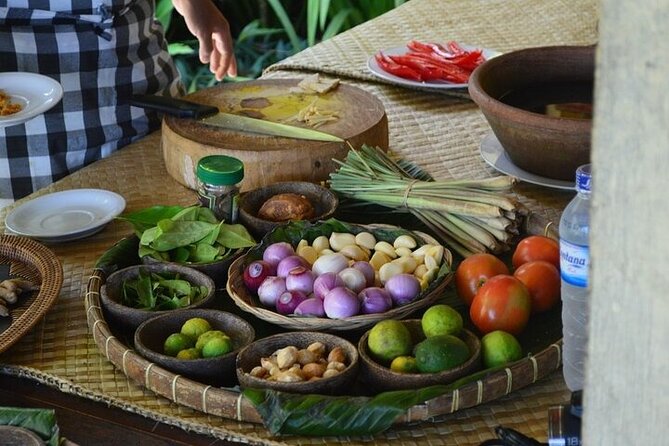
You are choosing a menu track, either Vegetarian or Non-vegetarian. Either way, the dessert is the same, which is a smart way to keep the finish consistent.
A few more Ubud tours and experiences worth a look

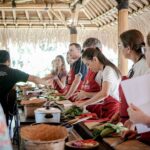
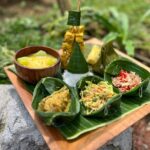
Vegetarian menu (7 dishes plus dessert)
- Sauce Kacang (Peanut sauce)
- Bumbu Bali (Balinese spice paste)
- Kare Sayur (Vegetable Curry)
- Tempe, tofu and vegetable Sate (Vegetable Sate with peanut sauce)
- Pepes Mushroom (Grill Mushroom in banana leaf)
- Mie Goreng (Fried Noodle)
- Dessert: Kolak Pisang (Braised banana saba in palm sugar gravy)
Non-vegetarian menu (7 dishes plus dessert)
- Sauce Kacang (Peanut sauce)
- Bumbu Bali (Balinese spice paste)
- Ayam Bumbu Bali (Balinese Fried Chicken)
- Sate Ayam Sauce Kacang (Chicken Sate with peanut sauce)
- Pepes Ikan (Grilled Fish in banana leaf)
- Mie Goreng (Fried Noodle)
- Dessert: Kolak Pisang (Braised banana saba in palm sugar gravy)
What I like about this menu design is the way it trains your palate. Peanut sauce and Balinese spice paste are not one-off ingredients. They show up across multiple plates. So you get repeat practice, which is how you actually learn to cook instead of just collecting recipes.
And banana leaf comes in both vegetarian and non-vegetarian via pepes. That is a great Bali signature. It teaches you the idea of wrapping for fragrance and gentle flavor, rather than treating “grilled” as a generic process.
The Flow of the Session, and Why It Works
You are not standing around waiting to be assigned something. The class is built so you cycle through different cooking modes during the session. That variety is key, because it keeps you engaged and it builds confidence faster.
You typically move through:
1) making or preparing foundations like peanut sauce and Balinese spice paste
2) cooking dishes that use those foundations, like curry, sate, and fried noodles
3) finishing with banana leaf cooking for pepes
4) ending with dessert, kolak pisang, a palm sugar braised banana treat
That rhythm helps you remember. Your brain tags each dish by what flavor engine it uses and what cooking technique it reflects.
Timing wise, you should expect the class to be full. It is about four hours, and you are actively cooking for most of it. Bring water awareness to your day, and keep in mind that drinks beyond the provided welcome water are not included.
Food You Eat, Not Just Food You Make
A big value point here is the meal itself. You will taste the dishes you prepared for lunch or dinner.
That matters more than people expect. When you are cooking, you naturally focus on execution. But tasting closes the loop. You learn what balance tastes right, and you can connect the final flavor to the step you performed.
It also makes the class feel like a complete experience, not just a cooking workshop. You leave with a full plate’s worth of food, not a small sampling.
Price and Value: Why This Feels Fair for the Work Involved
The price is $35.79 per person, which for Ubud can be either a great deal or an okay one depending on what is included. Here, it holds up because you get a lot for that single price.
Included elements that justify the cost:
- English-speaking chef
- market stop (on morning trips) with ticket included
- pickup and return transfer for morning classes in Ubud center only
- cooking ware, ingredients
- and the core deliverable: 7 dishes you make yourself plus dessert
- and a welcome drink/mineral water
- plus group size kept reasonable at up to 24
If you compare this to a standard restaurant meal, you are paying extra for the instruction and the ingredient handling. But you still eat a full meal. That is why it feels like value rather than just an activity tax.
One more note: the experience is listed as non-refundable. So you get best value if you lock in a date when your schedule is stable.
Practical Tips So You Get the Most Out of It
You will have a better time if you treat the class like a working kitchen visit, not a casual show.
Here are practical things to consider:
- Decide in advance whether you want vegetarian or non-vegetarian so you can focus on learning the dishes you care about.
- Wear clothes that can handle kitchen life. Even if you are careful, you will be near sauce, noodles, and spice paste.
- If you are outside Ubud center, check the pickup plan early so you are not scrambling around meeting points.
- Bring a small mindset change: your goal is to understand flavors and techniques. Even if you cannot duplicate every step at home, the peanut sauce and spice paste practice will be transferable.
If you go in expecting to become a chef overnight, you might be disappointed. If you go in expecting to leave with working skills and a recipe framework, you will feel like you got your money’s worth.
Who Should Book This Ubud Cooking Class
This is a strong fit if you:
- want a hands-on Bali food experience rather than a food tasting tour
- enjoy cooking and want recipes you can actually attempt at home
- prefer a class with a clear menu and guided steps in English
- are traveling as a couple or small group and want interaction without a huge crowd
It is also a good choice if you are vegetarian and want a complete menu, not a vague substitution. The vegetarian track includes both savory items like sate and pepes, plus the same kolak pisang finish.
If you are not sure, remember you still get a full meal out of it, and the market stop adds cultural context on morning runs.
Quick Note on Weather and Scheduling
This experience requires good weather, so if conditions are poor, you will be offered a different date or a full refund. There is also a minimum number of travelers needed, and if that minimum is not met, you will get a different option or a full refund.
Should You Book This Ubud Cooking Class?
I think you should book it if you want real cooking practice in Ubud, with a chef who teaches in English and a menu that lets you learn repeat flavor patterns like peanut sauce and Balinese spice paste. At $35.79, the value is strong because you cook multiple dishes, then eat what you made.
I would hold off if pickup logistics are a problem for you. If you are outside Ubud center and do not want to deal with the extra pickup cost or the afternoon meeting point, it may feel more hassle than it should. Also, because it is non-refundable, book when your date is truly set.
FAQ
FAQ
How long is the Ubud cooking class?
It runs for about 4 hours (approx.).
Is there a vegetarian menu option?
Yes. There is a vegetarian menu with 7 dishes, including Sauce Kacang, Bumbu Bali, vegetable curry, vegetable sate, grilled banana-leaf mushroom (pep es mushroom), fried noodle, and the dessert Kolak Pisang.
Does the class include a market visit?
For morning trips only, there is a Traditional Art Market tour for about 30 minutes, and the admission ticket is included.
Is hotel pickup included?
Return hotel transfer in Ubud central only is included for the morning class (sharing car). For other areas, pickup is extra, with provided information stating up to IDR 600K per car.
What time does the afternoon class meet?
The afternoon class meets at 2:30pm at the front of Lapangan Desa Ubud as the pick up point for return.
Are beverages included?
You get a welcome drink/mineral water. Other beverages are not included.
More Workshops & Classes in Ubud
More Cooking Classes in Ubud
More Tour Reviews in Ubud




Not for you? Here's more nearby things to do in Ubud we have reviewed








Tour Reviews, compared.
 ★ 5.0All-Inclusive Ubud Private TourFrom $10014,344 reviews
 ★ 5.0Best of Ubud Full-Day Tour with Jungle SwingFrom $568,571 reviews
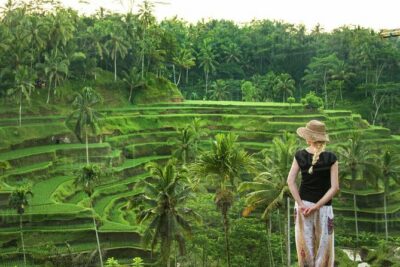 ★ 5.0Monkey Forest, Jungle Swing, Rice Terrace, and Water TempleFrom $317,160 reviews
 ★ 5.0Best of Ubud 1-Day Private TourFrom $544,451 reviews
 ★ 4.4Bali: Ubud Palace Legong Dance Show TicketFrom $63,979 reviews
 ★ 5.0Uluwatu Sunset, Kecak Dance, and Dinner Jimbaran BeachFrom $353,681 reviews
 ★ 5.0Tanah Lot and North Bali Tour: Scenic JourneyFrom $1003,620 reviews
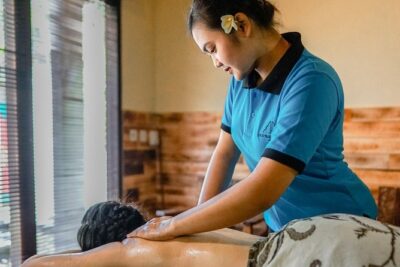 ★ 5.0Body Massage Experience in Ubud Traditional SpaFrom $213,506 reviews
Browse the lists this tour appears in