
Tour review · TOUR REVIEWS
Vegetarian Ubud Cooking Class Bali
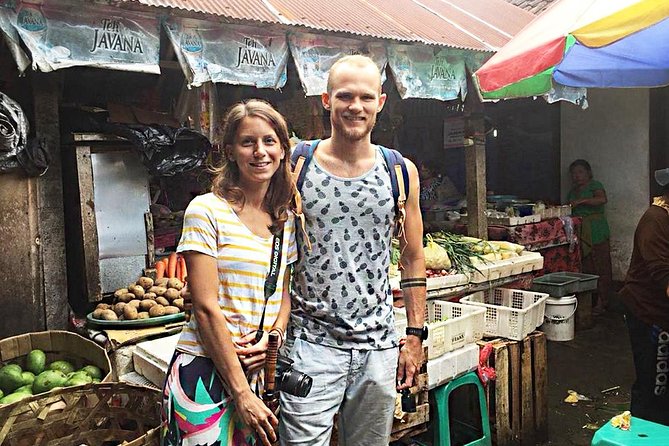
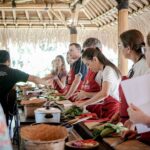
Ubud has a way of turning food into a lesson. This Vegetarian Ubud Cooking Class Bali experience takes you from market shopping to grinding spice paste in a traditional ulekan, then puts you at the stove with a professional chef. You get a hands-on way to understand Balinese flavors, not just copy recipes.
I especially like the format. You practice nine separate dishes built around vegetarian staples like tofu and tempe. I also love the added context, the market run and the rice field explanation, which helps you understand what you are cooking and why the ingredients matter.
One thing to consider: pickup can be a make-or-break detail. The class offers transfers from central Ubud hotels, but I suggest you double-check your pickup time and have a backup plan to reach the meeting spot if anything feels off.
Key highlights to look for
- Market visit before cooking, so the ingredients feel real and local
- Traditional ulekan spice grinding, not a shortcut
- Nine-dish menu that stays vegetarian and practical
- Small group size (up to 15), so you can actually ask questions
- Recipe copy file to recreate dishes back home
- Two session options (morning or afternoon) with the right meal included
Why a Balinese Vegetarian Class in Ubud Works So Well
Balinese cooking is not just about heat. It is about layering flavors, from toasted spice to fresh aromatics, then balancing it all with ingredients that carry taste without relying on meat.
This class is built around that idea, but keeps it vegetarian. Expect plenty of tofu, tempe, and fresh vegetables, plus the kinds of spice pastes that make Balinese dishes taste distinctly Balinese instead of generic “Indonesian-ish.”
Ubud is the right base for this. You are surrounded by rice fields and food markets, so the class feels connected to real daily life, not a staged performance. Even the setting supports the point: you learn faster when you understand where the ingredients come from.
You can also read our reviews of more cooking classes in Ubud
Price, Time, and What You Actually Get for $39
For $39 per person, you are buying more than a meal. You are paying for a 4-hour, chef-led practice session with transfers in central Ubud, plus a take-home recipe file.
Here is what makes the value feel solid:
- You get the chef’s guidance while you cook, not just a lecture.
- You go home with recipes for nine dishes, so you can repeat what you learned.
- You get a meal built into the session, with bottled water included (lunch for morning, dinner for afternoon).
You should also think about cost versus effort. If you tried to learn this on your own, you would still need a good spice setup, the right ingredients, and time to figure out ratios. This class compresses that learning into a half-day, with support.
How the Morning Market and Rice Field Context Sets Up Better Cooking
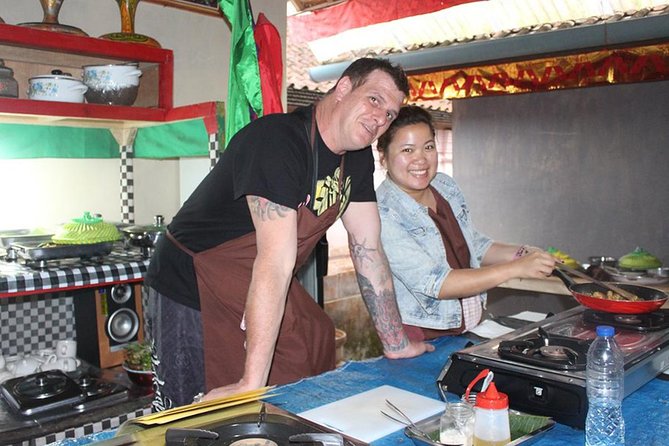
The class starts with the kind of ingredient scouting that pays off at the stove. You will shop for what you will cook, and you will do it with the chef’s perspective.
That market time matters because Balinese flavor comes from small choices: what looks fresh, what smells right, and how ingredients behave once ground and cooked. When you buy with an understanding of how you will use items later, cooking stops being guesswork.
If you opt for the session that includes lunch, you will also get a natural rhythm. You gather ingredients, learn the spice process, then cook and eat while things are still fresh in your mind. If you choose the afternoon option, the lesson timing flips, but the core flow stays the same: ingredients first, then cooking.
There is also a rice field explanation included as part of the experience. Even if you do not memorize the details, you pick up context for how local agriculture influences what ends up on the plate.
From Spices to Pastes, Using the Traditional Ulekan
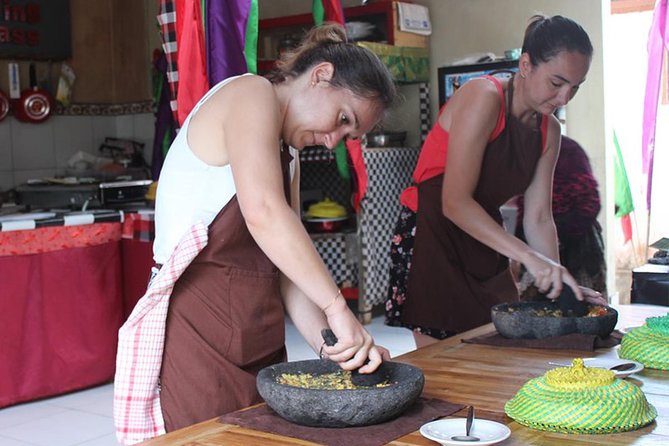
One of the most satisfying parts is learning to grind spice paste using a traditional ulekan. This is the opposite of cooking-by-measurement. You can’t rush it, and you learn what different spices bring as the paste thickens and becomes fragrant.
Why this matters: paste texture changes flavor. A rough grind gives you a different character than a fine, well-mixed paste. By doing it yourself, you build a feel for the method, which you can then apply when you cook at home with a blender, mortar, or grinder.
You also learn pacing. Spice pastes often start strong and can soften or deepen as they cook. When you are actively grinding, stirring, and cooking in sequence, the lesson sticks.
Even better, this class is explicitly vegetarian. That means the chef is tailoring flavor techniques to tofu, tempe, and vegetables, not just swapping meat for a side dish.
The 9 Vegetarian Dishes You’ll Cook (and Why Practice Beats Memorizing)
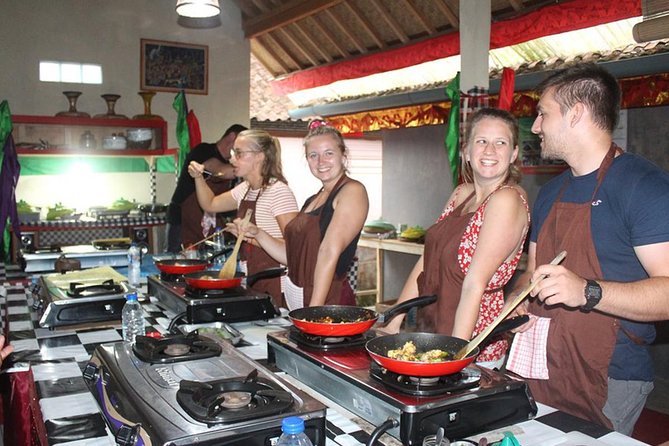
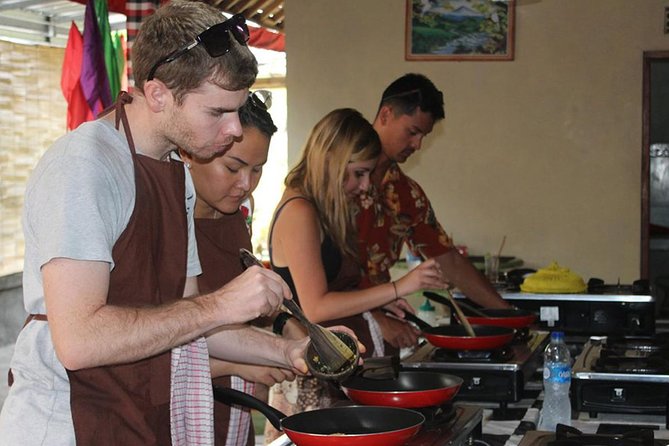
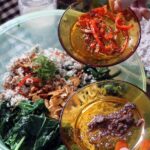
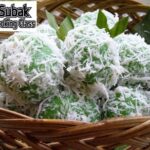
You will prepare nine separate dishes during the class. The menu centers on vegetarian ingredients like tofu, tempe, and fresh vegetables, guided by a professional English-speaking chef.
What to expect from the cooking stations:
- You cook multiple dishes in one session, with chef direction as you go.
- You learn how the spice paste works across different preparations, not just one “signature” dish.
- You practice repeating methods, so you build skill rather than memorizing one recipe step-by-step.
A big advantage here is sequencing. Nine dishes in 4 hours sounds like a lot, but it usually works because each dish builds on the last: spice paste, aromatics, then a cooking method that changes the final texture. That is how you end up with dishes that taste cohesive instead of random.
At the end, you receive a copy file of the nine recipes. That is key for real-life cooking. You can bring the notes back to your kitchen and re-create the dishes without relying on memory.
A few more Ubud tours and experiences worth a look

Lunch or Dinner Included, Plus What Drinks Cost
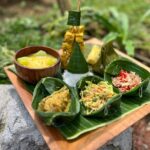
The class runs about 4 hours, and your session decides whether you eat lunch or dinner.
Morning session:
- Bottled water and a meal included (lunch)
- Water and a welcome drink included
Afternoon session:
- Bottled water and a meal included (dinner)
- Water and a welcome drink included
Other beverages are for purchase, so if you are budgeting, plan on keeping soft drinks and extras optional rather than assumed.
I like this approach. You stay fueled while you cook, but you are not stuck waiting for food. It keeps the pace practical, and it means you leave with full stomach and clearer flavor memory.
Transfers in Central Ubud, and How to Avoid Pickup Frustration
This experience includes pickup and drop-off transport in central Ubud only. If you are staying outside that area, you may need to meet at the location instead.
Meeting point:
Subak cooking class & Cooking class in ubud, Jl. Werkudara, Tampaksiring, Kec. Tampaksiring, Kabupaten Gianyar, Bali 80552, Indonesia.
Here is my practical advice for this kind of class in Ubud. I recommend you confirm your pickup details close to the start time, and keep the meeting point address handy. One problem reported with a missed pickup highlights why a quick check matters. If your driver does not show when expected, you do not want to lose an hour.
Also, since the area is near public transportation, you have an option if you need a backup. It is not something you should need, but it gives you peace of mind.
Group size is capped at 15. That usually helps the class stay organized and keeps the chef’s attention focused.
What’s Included (and What You Should Plan for)
Included in your experience:
- Welcome drink
- Bottled water (morning lunch session) or bottled water (afternoon dinner session)
- Pickup and drop-off transport in central Ubud only
- Professional English-speaking local chef
- Cooking equipment
- Copy file of 9 Balinese vegetarian recipes
- Lunch for the morning session, dinner for the afternoon session
Not included:
- Personal expenses in the local traditional market
- Beverages beyond what is included
- Insurance
The market part matters. You might be expected to handle any items you choose to buy for personal use during that shopping time. If you are the type who likes to take home ingredients, budget a little extra.
Who This Cooking Class Is Best For
This is a strong match if you want a real skill, not a show.
It is especially good for:
- People who eat vegetarian and want Balinese methods, not plain veggie adaptations
- Anyone who likes learning by doing, with a chef at your elbow
- Couples and small groups who want a shared activity in Ubud
- First-time cooks who need structure and reassurance in the spice process
If you are already an advanced cook, you may still enjoy the spice-paste technique and the way Balinese flavors are built. It is a method you can borrow even if you never recreate all nine dishes perfectly.
If you dislike markets or want a totally hands-off experience, this might feel like work rather than fun. The class includes ingredient shopping, so you should be ready to walk and pick.
Should You Book the Vegetarian Ubud Cooking Class Bali?
I think you should book it if you want a half-day in Ubud that ends with real food knowledge. The best parts are the ingredient market time, the rice field context, and the hands-on ulekan spice grinding that makes the cooking feel authentic.
It is also good value for the price because you are not just paying for tasting. You are practicing, cooking nine dishes, and leaving with a recipe file that can actually guide your next meal.
Just manage one risk: pickup reliability. The transfer is included for central Ubud, but keep your pickup info tight and have the meeting point saved. With that small prep, the class looks like a fun, practical way to take Balinese vegetarian cooking home.
FAQ
What is the price of the Vegetarian Ubud Cooking Class Bali?
The price is $39.00 per person.
How long is the cooking class?
The duration is approximately 4 hours.
Is the class vegetarian?
Yes. The cooking class is tailored for vegetarians and includes dishes featuring ingredients like tofu and tempe.
Does the class offer hotel pickup in Ubud?
Yes. Pickup and drop-off transport are included for central Ubud hotels. If you are not in central Ubud, you may need to meet directly at the location.
What is included in the class package?
Included items are a welcome drink, bottled water (with lunch for the morning session or dinner for the afternoon session), a professional English-speaking local chef, cooking equipment, a copy file of 9 recipes, and transport in central Ubud. Lunch or dinner is included depending on the session time.
Where is the meeting point if I do not use pickup?
The meeting point is Subak cooking class & Cooking class in ubud, Jl. Werkudara, Tampaksiring, Kec. Tampaksiring, Kabupaten Gianyar, Bali 80552, Indonesia.
More Workshops & Classes in Ubud
More Cooking Classes in Ubud
More Tour Reviews in Ubud



Not for you? Here's more nearby things to do in Ubud we have reviewed






Tour Reviews, compared.
 ★ 5.0All-Inclusive Ubud Private TourFrom $10014,344 reviews
 ★ 5.0Best of Ubud Full-Day Tour with Jungle SwingFrom $568,571 reviews
 ★ 5.0Monkey Forest, Jungle Swing, Rice Terrace, and Water TempleFrom $317,160 reviews
 ★ 5.0Best of Ubud 1-Day Private TourFrom $544,451 reviews
 ★ 4.4Bali: Ubud Palace Legong Dance Show TicketFrom $63,979 reviews
 ★ 5.0Uluwatu Sunset, Kecak Dance, and Dinner Jimbaran BeachFrom $353,681 reviews
 ★ 5.0Tanah Lot and North Bali Tour: Scenic JourneyFrom $1003,620 reviews
 ★ 5.0Body Massage Experience in Ubud Traditional SpaFrom $213,506 reviews
Browse the lists this tour appears in