
Tour review · TOUR REVIEWS
Threads of Tradition Miniature Keliki Painting Workshops
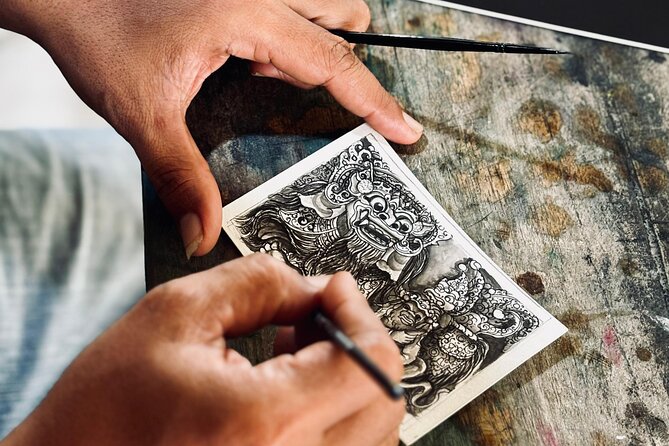
There is something calming about painting in layers. This 3-hour Keliki painting workshop in Ubud teaches traditional Balinese Keliki techniques using Chinese ink and acrylic, with plenty of time to work at your own pace. You learn from two local artists in a traditional house compound setting, and you finish with a take-home artwork.
I especially love the hands-on pace and the fact that no prior art skill is required. You’ll also get afternoon tea plus snacks, which turns a class into a real cultural afternoon with the artists.
One thing to consider: you’re in smart-casual mode, but painting workshops can still get messy. Plan your outfit accordingly and you will feel comfortable the whole time.
Key takeaways before you go
- Small group feel (max 20) so the artists can help you directly without rushing.
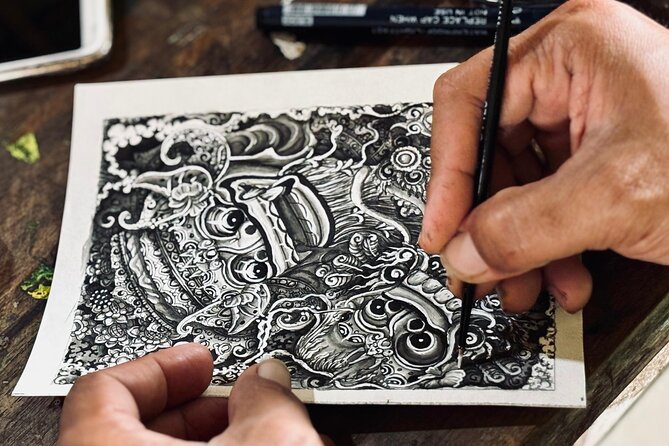
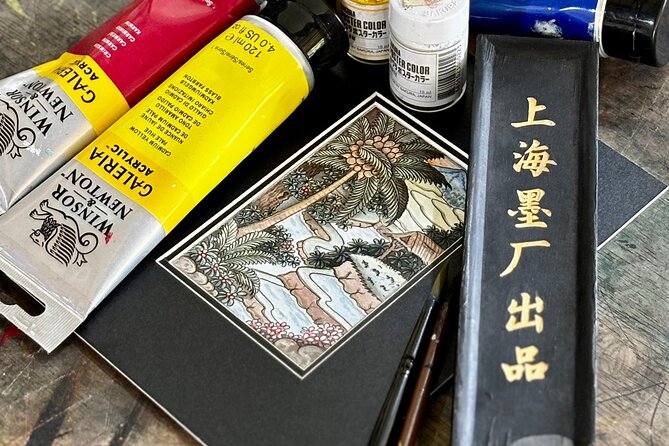
- Traditional materials including Chinese ink and acrylic paint for the real Keliki look.
- Two-artist instruction that keeps things practical and personalized.
- Afternoon tea included so you can slow down and talk with the artists between steps.
- Take-home souvenir artwork so you leave with something you made, not just photos.
A Miniature Keliki Class in Ubud: What Makes It Special
If you want Ubud without the same old routine, this workshop is a smart pick. It’s not a performance and it’s not a museum stop. It’s a working art session where you learn a specific Balinese style, the Keliki approach, step by step.
Keliki paintings often reflect rural village life and local stories, including handy myths. That matters because you’re not just copying a pattern. You’re learning what the imagery is aiming to show, and how the process creates the final look.
The class is also built for beginners. You do not need to be able to draw. You just need to show up, follow instructions, and accept that good art is made in layers, not in one lucky stroke.
A few more Ubud tours and experiences worth a look



Getting Started at Five Art Studio (and Settling In)
The workshop starts at Five Arts Studio, at Jl. Raya Keliki in the Keliki area of Tegallalang. It’s easy to find with a map, and it’s near public transportation, which helps if you are not driving.
The experience uses a mobile ticket, and you receive confirmation at booking time. That means you can usually lock it in without extra email back-and-forth.
Once you arrive, the vibe is straightforward. Think of it like going to a friend’s home studio for an afternoon class, not a big factory tour. A small group size matters here, because you get attention when you need it.
Traditional Materials and the Keliki Technique You’ll Learn
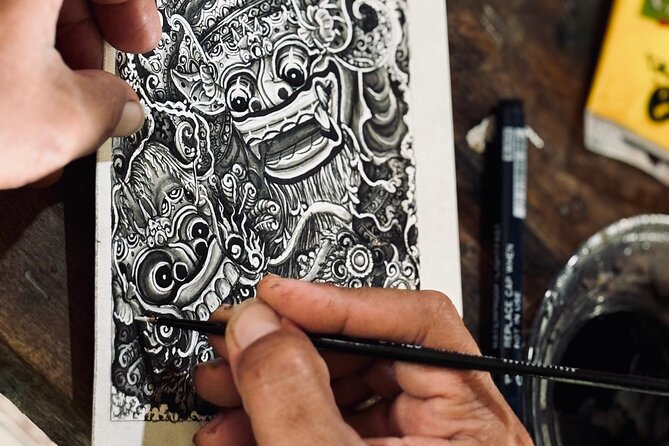
The heart of this experience is the Keliki method, taught through a multi-step process. You’ll use Chinese ink and acrylic paint, and you’ll work with techniques that build the painting in layers.
That layering approach is the difference between a flat copy and a true style. In a traditional method, earlier marks set up later details. Your job is to learn the order, not just the final picture.
The artists guide you through the unique steps of painting and drawing, including how to handle the ink and how to move from one stage to the next. As you progress, you’ll start to see why Keliki art has that distinct look, especially in the way lines and textures come together.
Practical tip: if you have very short attention for careful work, this may still work, but plan on focusing for the full session. The class runs about 3 hours, and Keliki techniques are meant to be practiced in sequence.
Meet the Artists: Learning From Gusti and Kedek

A big reason this workshop gets consistently high marks is the teaching style. The instructors are described as personable and fun, and you get room to create at your own pace.
In particular, I would pay attention to the role of Gusti and Kedek, two local artists named in guest feedback. The teaching approach they represent is not “do it this way or else.” It’s more like, here is the method, and we’ll help you apply it to your own mini piece.
When instructors are easy to talk to, you ask better questions. You also feel comfortable making adjustments when something looks off. For a first-time art experience, that confidence is everything.
Afternoon Tea, Snacks, and a Real Social Break
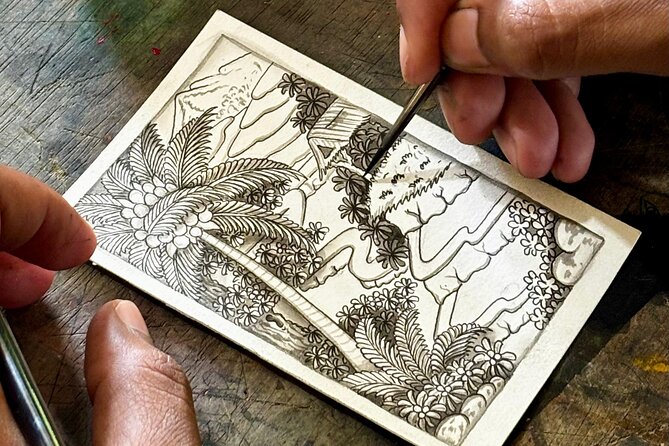
This isn’t only about sitting down with a paintbrush. You also get refreshments built into the class: snacks, coffee and/or tea, and mineral water.
Afternoon tea is more than a pause. It’s time to slow the pace, ask about the artwork, and get to know the artists as people. It also helps if you get tired halfway through the more careful steps, because you have a real reset moment.
One nice detail is that the class is designed for different skill levels. You’ll likely see a mix of backgrounds in your group, and the breaks help everyone regain momentum.
If you are someone who gets “hangry” during activities, this included snack and tea setup is a big value point. You won’t need to plan extra food in the middle of the lesson.





What You’ll Make (and Why Miniature Matters)
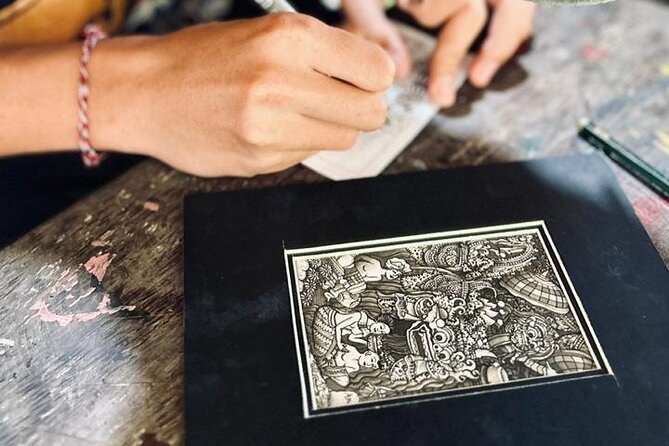
This is described as a Keliki painting workshop centered on miniatures. That affects the whole experience in a good way.
Small format art is easier to finish within a single session, and it gives you a chance to practice technique without the pressure of building a huge canvas. It also nudges you toward the most important parts of the Keliki look, like line work and layered detail.
By the end, you can take your artwork home as a souvenir. That changes the experience emotionally. You are not just learning a style you might forget. You leave with proof that you did the process yourself.
Practical note: because you’re making something to bring home, you’ll want to protect it during travel afterward. The workshop doesn’t mention packaging details in the info provided, so just plan to carry it carefully in your bag or with a steady hand.
The Flow of Your 3-Hour Afternoon
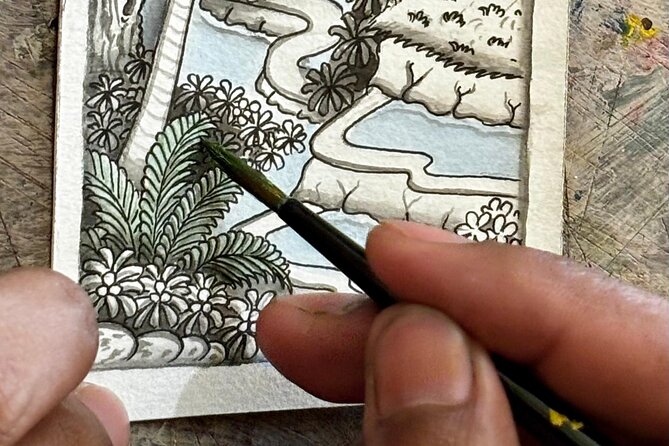
Even without a long multi-stop schedule, the timing is intentional. You’re there for about 3 hours and the class structure follows a learning arc.
First you get introduced to the style and the tools. Then you practice the foundational steps of Keliki painting with traditional materials. After that, you move through additional layers, adding more detail as you go.
The class includes tea and snacks during the session, so you’re not stuck working straight through. That’s especially helpful with ink and acrylic tasks, since your focus matters as the piece builds.
Finally, you wrap up with your completed miniature artwork. The key point is that you leave with a finished result within the allotted time, not a “starter project” that needs months of follow-up.
Price and Value: Is $29 a Good Deal?
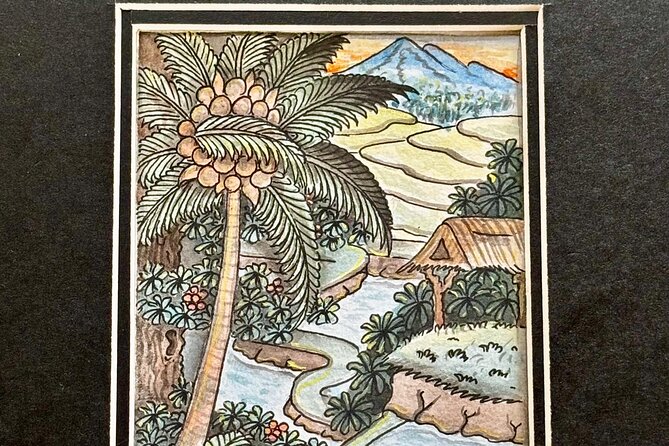
At $29 per person, this workshop is priced like an accessible cultural activity. What makes it feel fair is that the price includes more than “instruction.”
You also get snacks, coffee and/or tea, and mineral water. Those add-ons matter if you’re comparing this to activities that are cheap up front but charge extra for every small necessity. Here, you can show up and concentrate on the painting without hunting for a drink mid-class.
The class also includes a traditional technique focus. You’re not only learning to paint in general. You’re learning Keliki, using materials named specifically, Chinese ink and acrylic paint, and working with a multi-step layered process.
Group size is capped at 20 travelers, which usually improves the learning experience. Even if the class is casual, caps like this often mean the instructors can keep an eye on what you’re doing.
If you’re already planning an afternoon in Tegallalang or Ubud, this is a good “one ticket” activity. It fills your day with something personal and handmade.
Logistics That Matter in Ubud: How to Plan Around the Class
This workshop is smart-casual in dress code. That’s helpful because you can look comfortable without overthinking it. Still, treat it like a hands-on session. Wear clothes you are comfortable with around paint and ink.
The meeting point is Five Arts Studio, and the activity ends back at the meeting point. That makes it easy to plan the rest of your day, whether you want to return to your hotel or keep exploring nearby.
Most travelers can participate, and a vegetarian option is available if you advise at booking. That vegetarian detail matters because food is included, and you don’t want to arrive and have to improvise.
Also, this is family-friendly in a practical sense because beginners are welcome. The class length is only about 3 hours, so it’s not a full-day commitment.
Who Should Book This Keliki Workshop
I think this is a great fit if you want one of these things:
- A meaningful Ubud activity that is hands-on, not just scenic sightseeing
- A beginner-friendly art experience where you do not need drawing skills
- A cultural class where you meet two local artists and slow down for tea
- A souvenir you actually made, not an item bought elsewhere
It’s also a solid choice if you like structured learning. Keliki technique is multi-step, so you’ll feel guided instead of guessing.
If you are an advanced painter looking for a long, technical masterclass, you might find the time short. But for most visitors, the 3-hour format is an advantage, not a limitation.
Should You Book Threads of Tradition Keliki Painting in Ubud?
Yes, you should book it if you want a real Balinese art process in a short afternoon. The strongest reasons are simple: small group size, instruction by local artists, and a technique-focused workshop using traditional materials.
You’re also not just paying for “a seat.” You’re paying for snack and tea included, plus an art souvenir to take home. For $29, it’s hard to argue with the value.
Before you go, make one smart choice: plan your outfit for hands-on work while still following smart-casual expectations. If you do that, you’ll feel relaxed, create confidently, and leave with a mini piece of Keliki art that tells a story.
FAQ
How long is the Keliki painting workshop?
The workshop lasts about 3 hours.
Where does the workshop start?
The meeting point is Five Arts Studio on Jl. Raya Keliki, Keliki, Kec. Tegallalang, Kabupaten Gianyar, Bali.
What is included in the price?
Snacks, coffee and/or tea, and mineral water are included.
Do I need any art experience?
No prior knowledge is needed, and the class welcomes all levels.
What materials will I use?
You’ll work with traditional materials including Chinese ink and acrylic paint.
Is there a vegetarian option?
Yes, a vegetarian option is available if you advise at booking.
What should I wear?
The dress code is smart casual.
Is alcohol included?
No. Alcohol is available to purchase.
Can I cancel and get a refund?
Free cancellation is available. You can cancel up to 24 hours in advance for a full refund, and changes within 24 hours are not accepted.
How big is the group?
The maximum group size is 20 travelers.
More Workshops & Classes in Ubud


More Tour Reviews in Ubud



Not for you? Here's more nearby things to do in Ubud we have reviewed










Tour Reviews, compared.
 ★ 5.0All-Inclusive Ubud Private TourFrom $10014,344 reviews
 ★ 5.0Best of Ubud Full-Day Tour with Jungle SwingFrom $568,571 reviews
 ★ 5.0Monkey Forest, Jungle Swing, Rice Terrace, and Water TempleFrom $317,160 reviews
 ★ 5.0Best of Ubud 1-Day Private TourFrom $544,451 reviews
 ★ 4.4Bali: Ubud Palace Legong Dance Show TicketFrom $63,979 reviews
 ★ 5.0Uluwatu Sunset, Kecak Dance, and Dinner Jimbaran BeachFrom $353,681 reviews
 ★ 5.0Tanah Lot and North Bali Tour: Scenic JourneyFrom $1003,620 reviews
 ★ 5.0Body Massage Experience in Ubud Traditional SpaFrom $213,506 reviews
Browse the lists this tour appears in