
Tour review · TOUR REVIEWS
Private Tour: Ubud Day Tour with Traditional Offering Lesson
Ubud gets spiritual fast. This full day blends a traditional Balinese offering lesson in a local home with big nature hits like the monkey forest, plus craft stops and a proper rice-field lunch. I especially like how you spend time with a guide who explains what you’re seeing, not just where to stand for photos. I also like the mix of sights and culture, from the Sacred Monkey Forest Sanctuary to coffee and art shopping.
If you want a single “best-of Ubud” day, this tour is built for you. You’ll get lunch included, hotel pickup and drop-off, and a schedule that hits the key landmarks without feeling rushed. The only thing to think about is the day runs about 10 hours, and the monkey forest part means you should be ready to follow rules around wildlife.
Key Highlights You’ll Care About
- Offering lesson in a local home: a more personal look at daily religious practice.
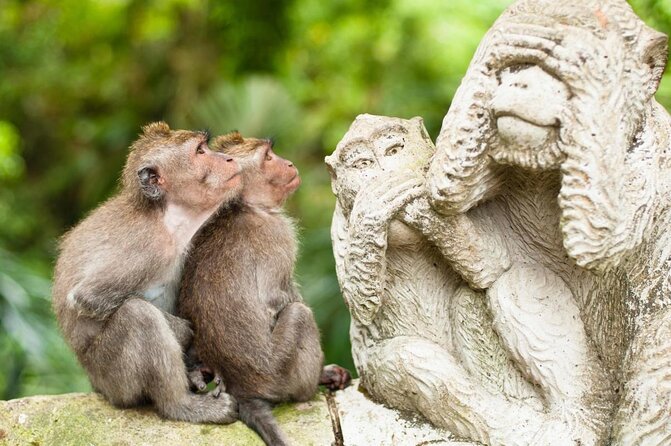
- Monkey sanctuary visit: long-tailed macaques plus a sacred temple area guarded by monkeys.
- Tegalalang rice terrace walk: a short, focused window to understand traditional farming.
- Art market time: time to browse local handcrafts and bargain your way.
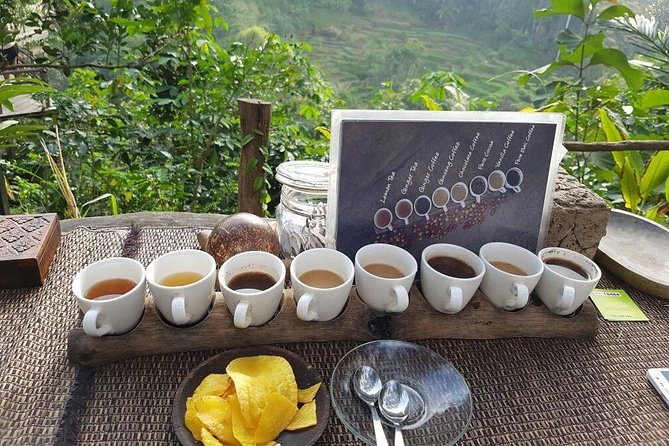
- Luwak coffee stop: a look at how this famous coffee is produced, plus a tastier lunch break setup.
A 10-Hour Ubud Tour That Blends Ritual, Wildlife, and Craft
This is the kind of day where Ubud does what it’s famous for. You start with a wildlife sanctuary right near the center of town. Then you shift to working land, rice terraces. After that, you move into art, temples, and food, ending with a coffee experience tied to luwak.
The value is in the structure. You’re not bouncing between random spots on your own. The tour includes hotel pickup and drop-off, plus a local guide, bottled water, and lunch. That matters in Ubud, because traffic and timing can steal the energy you thought you’d save.
Another thing I like is that the day is not only “pretty views.” You get to sit through a traditional offering lesson and see a sacred ceremony in a local setting. That’s a different angle than visiting temples from the outside. You also get craft stops in the broader Ubud art world, like meeting batik producers and silversmiths along the way, so you can connect what you bought to how it’s made.
The trade-off? Because it’s a full day, you’ll spend less time lingering and more time moving. You’ll want comfortable shoes and a good morning plan for hydration and snacks, even though bottled water and lunch are included.
You can also read our reviews of more private tours in Ubud

Sacred Monkey Forest Sanctuary Rules and Timing With Your Included Ticket
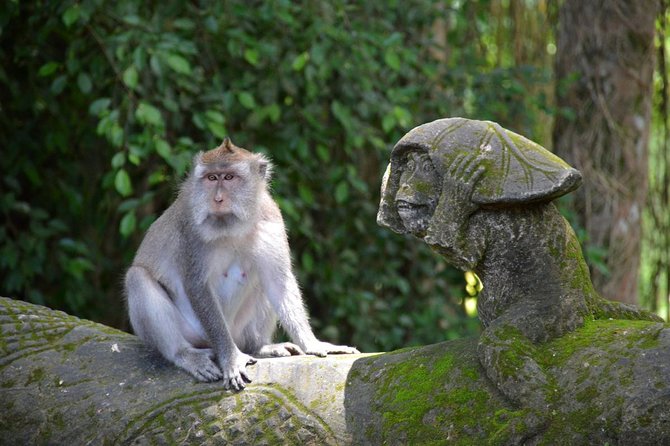
Your first big stop is the Sacred Monkey Forest Sanctuary, where you can walk through the tropical greenery near Ubud’s center. The star is the long-tailed macaques, with the sanctuary home to more than 600. There’s also a sacred temple sanctuary guarded by the monkeys, which adds an extra layer beyond wildlife viewing.
Here’s how to make this portion work for you. Give yourself a simple mindset: observe first, act second. In any monkey sanctuary, the monkeys are not zoo actors on a schedule. They’re wild animals living with people, and they react to what you do. Keep your phone and bag secured, avoid sudden reach-outs, and don’t assume a monkey is harmless just because it looks cute from a distance.
Timing is actually helpful here. You get about 1 hour, and that’s enough to walk the main paths and see both the monkeys and the temple sanctuary area without turning your day into a multi-hour scramble. If you’re traveling with kids, this is a strong match because the monkeys are visually engaging and the setting feels like a walk through a real forest, not a staged attraction.
Potential drawback: this stop can be “hands-on” whether you planned it that way or not. If you’re traveling with someone who’s anxious around animals, or if you have a strict rule about not being near wildlife, you’ll want to set expectations before you go.
Tegalalang Rice Terrace Walk for Farm-Focused Photo Ops
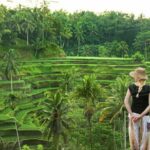
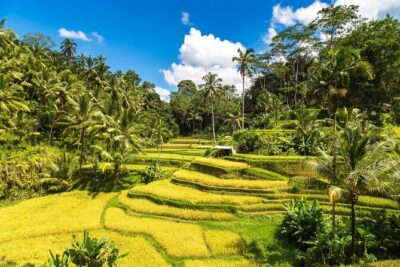
Next comes Tegalalang Rice Terrace, with time to walk around the rice fields and learn how traditional people cultivate their land. You’re not getting a full farming class, but you do get a chance to understand the systems behind the scenery, and that’s what makes this stop more than a photo break.
You’ll have about 45 minutes here, and that’s a sweet spot for most people. Long enough to see the irrigation-style farming approach up close, short enough to stay energized for the next parts of the day. It also helps that the admission ticket is included, so you’re not dealing with extra costs or last-minute ticket hunting.
Photo tip that’s actually practical: go for angles that show depth and layers. Those terraces look impressive from far away, but you’ll get the best “how it works” feeling when you capture the steps and water flow perspective. And if the weather shifts, terraces can get slick, so keep your steps careful.
The main consideration is that Tegalalang can feel crowded depending on the day. This tour’s time is fixed, so you’ll be moving through in a controlled window instead of trying to fight traffic around viewpoints.
Ubud Traditional Art Market, Plus Where Craft Fits in Your Schedule
You’ll also spend time at the Ubud Traditional Art Market, which is a solid stop for two reasons. First, it’s specifically a local craft browsing opportunity. Second, it’s listed as admission free for your visit, so your time there is more about spending money intentionally (or not), not paying for entry.
You’re given about 1 hour to look at handcrafts made by locals, and yes, bargaining is part of the culture here. If bargaining makes you uneasy, use a simple approach: browse first, compare prices in your head, and then ask for a fair deal rather than starting at your lowest offer immediately. The goal is to walk out feeling like you negotiated fairly, not like you won an argument.
Where it fits into the day matters. A lot of Ubud tours separate “shopping” from “craft.” This one tries to connect them by also including stops related to batik producers and silversmiths. That means when you see textiles or metalwork, you can think about materials and process, not only the final product.
Potential drawback: markets can tempt you into buying souvenirs you don’t need. If you’re sensitive to pushy sales tactics, remember this is still your hour. You can browse slowly, ask a question or two, and leave without buying.
The Traditional Offering Lesson at a Local Home
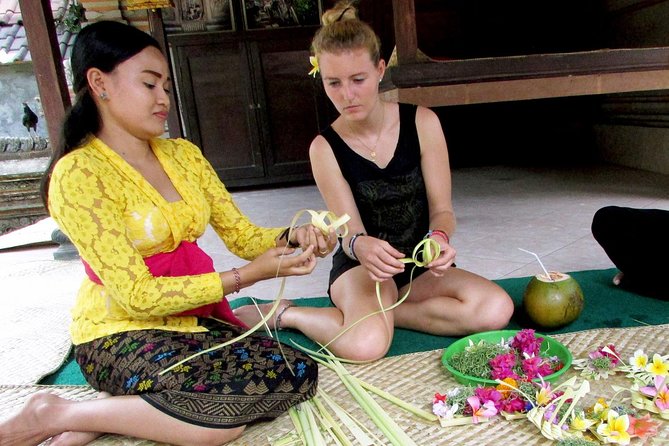
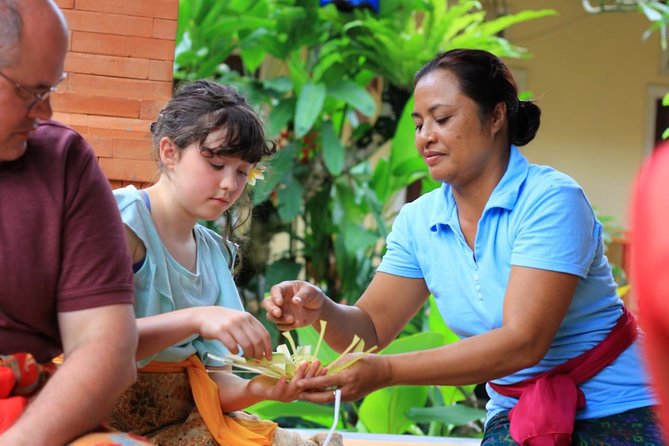
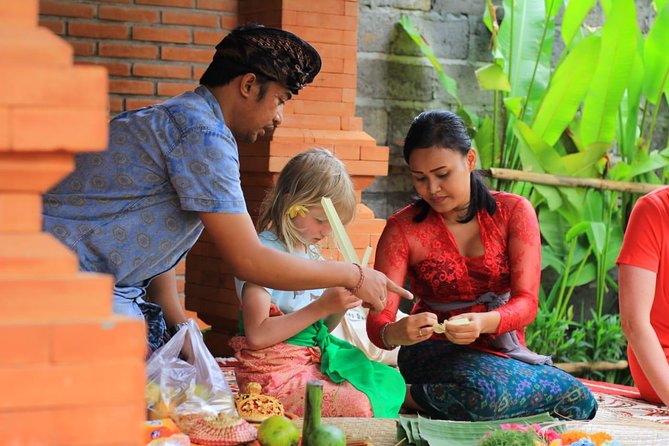
This is the heart of the tour, and it’s where the day becomes more meaningful than a set of photo stops. You’ll experience a traditional Balinese offering lesson in a local home, which turns the idea of “religion in Bali” into something concrete you can see and understand.
What makes this work is the format. An offering is not a museum object. It’s part of daily life and local belief systems. Even if you don’t speak the language, you’ll benefit from a local guide who can explain what the offering is for and how it fits into the day.
One detail that stands out from guide stories tied to this kind of stop: in accounts of this tour, guides have brought visitors into their own family spaces to show the ceremony context. For example, one guide named Dewa has been mentioned for bringing visitors to his home and introducing them to his family, including his wife and mother. You should not expect that every home visit will feel identical, but it explains why this stop can feel personal. You’re not just watching a performance. You’re seeing how the ceremony belongs in a household.
Practical considerations: wear clothing that feels respectful. For many sacred home settings, it’s less about strict rules and more about reading the moment and dressing in a way that won’t look out of place. Also, plan for photos only if your guide says it’s okay. In religious settings, the best respect is being present, not just capturing.
This offering lesson is especially good for families because it’s interactive. Kids often remember it longer than another temple visit because they can see the steps and symbols rather than only observe architecture.
A few more Ubud tours and experiences worth a look

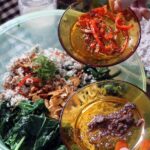
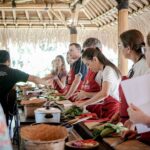
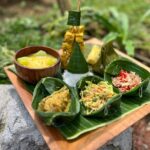
Temples, Batik, Silversmiths, and a Sacred Sanctuary Visit
The day also includes temple stops and craft-related experiences. From your schedule, you can expect visits to temples and a sacred sanctuary area associated with the monkey forest site. Along the way, you’ll meet batik producers and silversmiths, which is where Ubud’s reputation as a craft center becomes real.
Why those stops are valuable: they explain why Ubud looks the way it does. When you understand how textiles get made and how metalwork gets shaped, you stop seeing souvenirs as random clutter. You start seeing them as the end result of a local skill chain.
Drawback to know: batik and silversmith stops can vary in how much time they feel like shopping and how much time they feel like explanation. The tour is designed with a local guide, so you can ask questions and keep the experience balanced. If you’re the type who doesn’t like sales pressure, tell your guide up front that you want to learn more than buy.
If you’re sensitive to walking on uneven ground, take it slow at temple areas. Even when paths look manageable, there can be steps, stone surfaces, and short transfers between sites. The tour is long enough that you’ll appreciate comfortable footwear and a steady pace.
Lunch by Rice Fields and Luwak Coffee: Plan for Taste and Cost
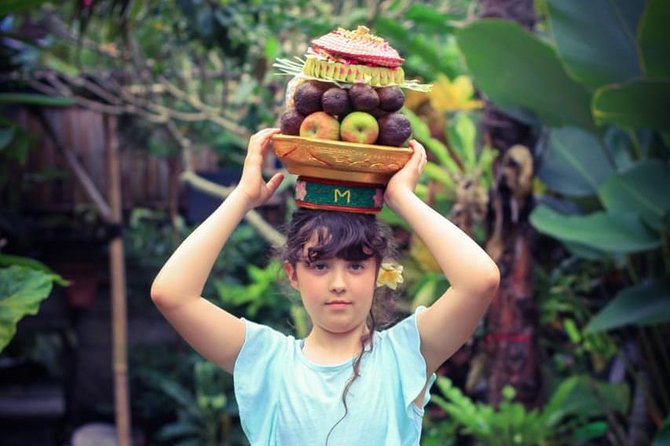
You’ll get lunch included, and it’s described as dining beside lush rice fields. That matters because it turns lunch into part of the scenery instead of just a break between rides. A good lunch stop also helps you reset before the day’s more sensory activity in the coffee segment.
After lunch, you’ll visit a coffee plantation area and learn about the elusive luwak, the animal connected to the production of this coffee style. This is one of the most famous Bali food stories, and your tour gives you the explanation behind how it’s made.
A key reality check: luwak coffee is known for being among the world’s most expensive coffees. That doesn’t mean it’s automatically worth it for everyone. Taste is personal, and some people love it while others find it too strong or unusual. If you’re offered samples, treat it like a cultural food experience, not a guaranteed buy.
Plan for the cost you might add later. The tour includes bottled water and lunch, but alcoholic drinks are not included. If you like a beer or a cocktail with meals, you’ll need to budget for that separately.
Overall, this portion gives the day a satisfying close. It’s a food and agriculture chapter that ties back to the earlier rice terrace and farm learning. You leave with something more grounded than only souvenirs.
Price and Value of $61.54, and Who Should Choose This
At $61.54 per person for a day that runs about 10 hours, this can be a strong value if you want a guided, structured mix of Ubud highlights. You’re paying for more than transportation. You get hotel pickup and drop-off, a local guide, bottled water, lunch, and entry tickets for major paid stops like the monkey forest and the rice terraces.
Here’s how to judge the deal honestly. If you were doing this on your own, you’d likely spend money on multiple separate tickets, transportation, and the time cost of organizing it all. This tour bundles the day into one plan, which is especially helpful if you’re staying in central Ubud and want less mental load.
Group size is listed with a maximum of 15 travelers, but it’s marketed as a private tour. In practice, this can mean you still get a more flexible feel than a giant bus group, especially with a guide. The minimum is 2 people per booking, so it works best for couples and small groups.
Who it fits best:
- Families who want one day that includes both wildlife and hands-on culture
- First-timers who want a guided path through classic Ubud stops
- People who care about explanations, not just ticking boxes
- Travelers who prefer a day with pickup instead of dealing with scooters
Who might hesitate:
- Anyone who hates long days or prefers slow travel
- People who do not want to be near wildlife at the monkey forest stop
- Travelers who dislike markets and want to minimize shopping time
Should You Book This Tour or Pick Another Ubud Day?
If you want one organized day that balances spirituality, animals, farming, and local craft, I’d book this kind of tour. The big “yes” for me is the offering lesson in a local home. That’s the part that often feels different from the usual temple-plus-market routine, because it connects religious practice to everyday life.
I’d choose it if you also like having lunch included and not worrying about another meal hunt. And I’d feel good about the value given what’s included: tickets for key sites, bottled water, a guide, and pickup.
I wouldn’t book it if your ideal Ubud day is mostly quiet, long photo wandering, or if you need full control over every minute. This day moves with a schedule. Still, with the right mindset, that structure is exactly what makes it efficient.
If you’re on the fence, ask yourself one question: do you want guided learning and a full day plan, or do you want freedom to roam? This tour is built for the first choice.
FAQ
What time does the Ubud tour start, and how long is it?
The tour starts at 8:00 am and runs for about 10 hours.
What does the $61.54 per person price include?
It includes lunch, bottled water, a local guide, a private tour, and hotel pickup and drop-off.
Are entrance fees included for the monkey forest and rice terraces?
Yes. Admission is included for the Sacred Monkey Forest Sanctuary and for Tegalalang Rice Terrace.
Is the Ubud Traditional Art Market entry fee included?
The Traditional Art Market admission is free for this tour.
Is alcohol included with lunch?
No. Alcoholic drinks are not included.
Is it a private tour or a group tour?
It is described as a private tour, and the maximum group size listed is 15 travelers. The booking also has a minimum of 2 people.
Can I cancel for a full refund?
Yes. You can cancel up to 24 hours in advance for a full refund.
More Private Tours in Ubud
More Tours in Ubud


More Tour Reviews in Ubud

Not for you? Here's more nearby things to do in Ubud we have reviewed





Tour Reviews, compared.
 ★ 5.0All-Inclusive Ubud Private TourFrom $10014,344 reviews
 ★ 5.0Best of Ubud Full-Day Tour with Jungle SwingFrom $568,571 reviews
 ★ 5.0Monkey Forest, Jungle Swing, Rice Terrace, and Water TempleFrom $317,160 reviews
 ★ 5.0Best of Ubud 1-Day Private TourFrom $544,451 reviews
 ★ 4.4Bali: Ubud Palace Legong Dance Show TicketFrom $63,979 reviews
 ★ 5.0Uluwatu Sunset, Kecak Dance, and Dinner Jimbaran BeachFrom $353,681 reviews
 ★ 5.0Tanah Lot and North Bali Tour: Scenic JourneyFrom $1003,620 reviews
 ★ 5.0Body Massage Experience in Ubud Traditional SpaFrom $213,506 reviews
Browse the lists this tour appears in