
Tour review · TOUR REVIEWS
Bali Ubud Paon Cooking Class
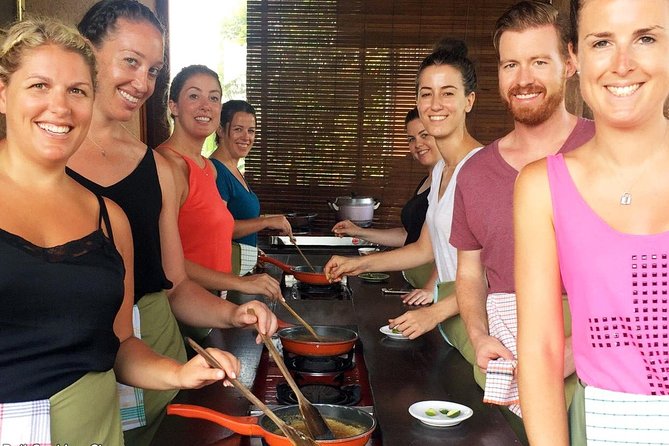
Spices, markets, and Balinese cooking in one half day. I love how the experience starts with a real Ubud morning market run, then turns into a small-group hands-on lesson in a traditional home setup run by the Paon team, with host Wayan welcoming everyone into the kitchen. You also leave knowing what dishes like banana-leaf fish and minced chicken satay taste like and, more importantly, why they work.
One thing to think about before you book: the market visit is tied to the morning session only. If you pick an afternoon time, you still get the class and lunch, but you will miss that ingredient-shopping start and the culture-building that comes with it. Also, hotel transfers are Ubud-area only, so double-check your location if you are staying just outside town.
Key highlights worth planning around
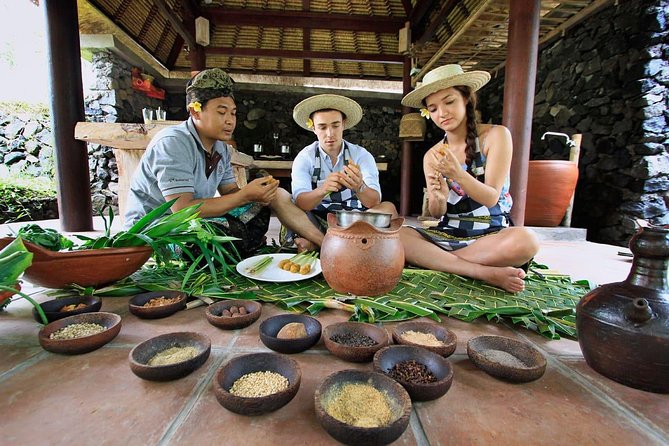
- Morning market ingredients first so you cook with what you chose
- Wayan’s home setting that feels local, not like a demo staged for tourists
- Dishes you can reproduce at home, including banana-leaf fish and minced chicken satay
- Up to 15 people, which keeps the class from turning into a lecture
- Lunch included, plus a cooking class certificate to mark the win
- Recipes may be shared via WhatsApp if you want a hand finishing at home
Why Paon Bali Cooking Class Works in Ubud
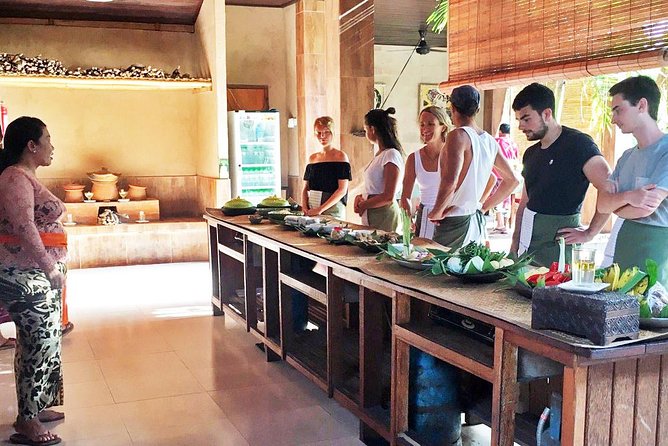
For $44 per person and about 5 hours, this class hits a sweet spot: enough structure to teach you real techniques, without being so long that you lose your evening plans. The big value is that you get both shopping and cooking, which helps you connect ingredients to flavor instead of memorizing steps.
I also like the group size limit of up to 15. That usually means more time with instructors when you have a question, and less waiting around while someone else figures it out. And because this is run in Ubud, you are not trekking across the island to find a kitchen that feels authentic.
The provider is Wandernesia, and they keep the flow organized, including transfers for hotels inside the Ubud area. That practical setup matters in Bali, where traffic and detours can eat your day if you are not careful.
You can also read our reviews of more cooking classes in Ubud


The Ubud Traditional Art Market Stop That Sets Up Your Cooking
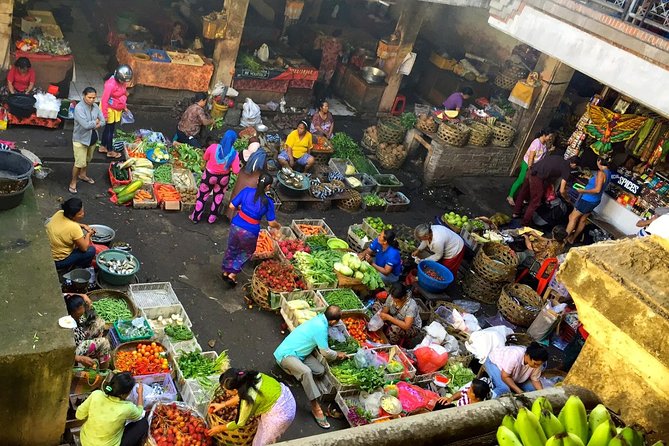
On the morning version, you start at the Ubud Traditional Art Market. This is not just sightseeing. The point is to shop for fresh ingredients and learn what to look for, including how spices and produce fit into Balinese flavor.
What I like here is the pacing. You do the market first, then go cook with ingredients that make sense to you. That matters because Balinese cooking is built on small, specific combinations. When you understand what you bought and why, your results back home are more likely to match what you tasted.
You will also get a chance to ask questions as you browse. The market guide can point out ingredients and uses, and you may find spices you cannot easily buy in your usual grocery store back home. If you like the idea of bringing a few hard-to-find items back, this is the moment to do it.
Practical note: wear comfy shoes. Markets mean standing and walking, and you do not want sore feet before you are prepping and cooking.
Paon Bali Cooking at Wayan’s Home Kitchen (Not a Stage)
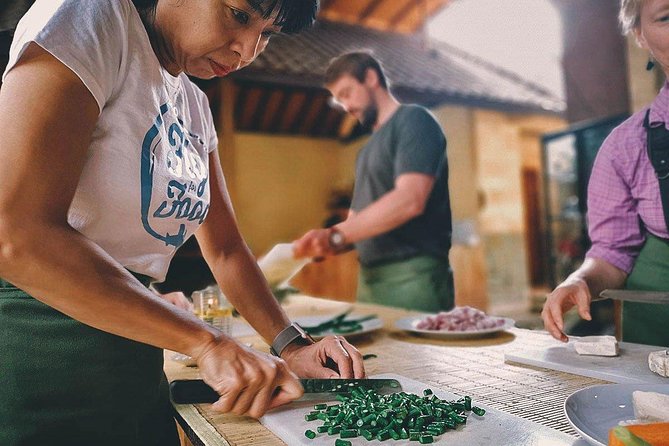
After the market stop, you move to Paon Bali Cooking Class at the cooking location, described by guests as a beautiful space with views of the forest. The overall feel is more home-kitchen than showroom, and that is part of the charm.
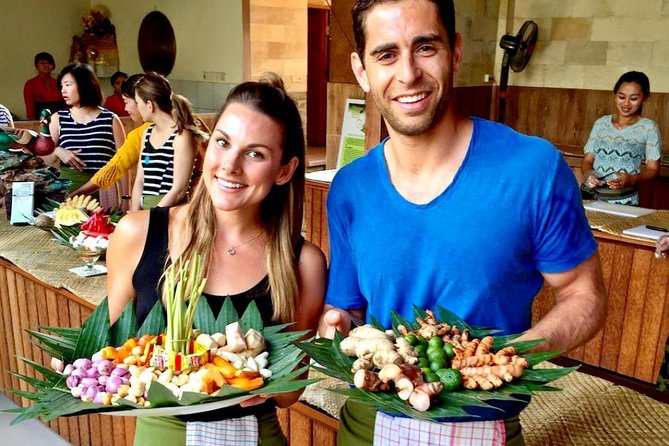
Wayan is named as the host in at least one guest account, and that makes the day feel more personal than the typical class setup. Instead of a generic “follow the chef” demo, you get a class structure where you are actually doing the cooking. That hands-on rhythm is what turns the activity into a skill, not just a meal.
Instructors explain steps and the purpose of key ingredients. I like that approach because Balinese cooking is not only about what you add, it is also about how and when you add it. If you ever struggle at home because a recipe says “add spice paste” with no explanation, you will appreciate this kind of reasoning while you are there.
Also, the class runs smoothly. Guests describe the process as efficient and clean, which usually means less time waiting and more time learning.
What You’ll Cook and Eat, Including Banana-Leaf Fish
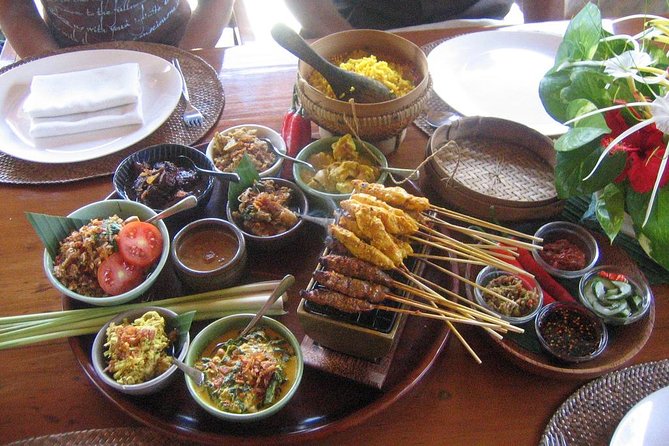
The dishes vary by session, but you can plan on classic Balinese favorites. The highlighted dishes you should expect include banana-leaf fish and minced chicken satay. Even if you have eaten these before in Bali, cooking them yourself changes your understanding fast.
Here is why those specific dishes matter for value:
- Banana-leaf fish teaches you flavor pairing and the role of wrapping or handling ingredients so they stay juicy and fragrant.
- Minced chicken satay helps you learn the seasoning logic behind the spice profile, not just the final taste.
You will also eat the dishes you prepare as part of lunch. That completes the loop. You shop, cook, then taste right away, which is when ingredients and technique click together.
Pacing also seems intentional. Guests call out a pace that never feels dull, and that usually means multiple dishes or multiple steps kept moving. If you are the type who gets bored watching cooking shows, the active format should keep you engaged.
If you want support after the class, there is an option mentioned by guests to get recipes sent via WhatsApp, if you ask. That can be useful when you are recreating the dishes at home.
Transfers, Timing, and Group Size: The Practical Side
This experience runs about 5 hours. That is long enough for real instruction and a full meal, but short enough that it does not wreck your whole Bali day.
Hotel pickup is offered for Ubud hotels. The key detail is that transfers are included within the Ubud area only. If you are staying outside that zone, you may need extra charges, so confirm your pick-up address before you settle in.
You will also get a mobile ticket, which is convenient if you do not want to print anything. Confirmation is typically sent within 48 hours of booking, subject to availability.
Group size is capped at 15 travelers. That matters more than it sounds. In a class this hands-on, too many people can mean longer waiting times and less help when you are chopping, mixing, or shaping. A smaller cap helps keep things personal and workable.
A few more Ubud tours and experiences worth a look


Price and Value: What $44 Gets You in Real Cooking Terms
$44 sounds simple until you break down what is included. You are paying for:
- a market stop (morning session)
- hands-on cooking instruction
- lunch
- a cooking class certificate
- hotel transfers within Ubud
That bundle is why this class often feels worth it. Many food experiences give you a taste at the end. This one gives you a skill, plus a clear path back home: you learn techniques and ingredient combinations that you can repeat.
There is also mention of group discounts. If you are booking with friends or family, that can improve value further, especially if you are trying to make a shared activity without turning it into an expensive private tour.
One more small value point: having a certificate is not life-changing, but it is a neat souvenir, and it reinforces that this is a real structured class, not just a casual cooking demo.
Choosing the Morning vs Afternoon Session
The market visit is only included on the morning tour. That is the one decision that most affects how much culture and ingredient knowledge you walk away with.
Morning session benefits:
- you shop for ingredients as part of the lesson
- you get that market context for spices and produce
- you likely leave with more ideas for recreating flavors back home
Afternoon session benefits:
- still get cooking class instruction and lunch
- more convenient if you want to do other Ubud plans earlier in the day
If you are serious about learning, I would lean morning. If you just want a fun, guided cooking experience without the extra walking and browsing, afternoon can still be a great choice.
Who This Class Is Best For
This is ideal if you fall into one of these categories:
- You want to cook Balinese food again at home, not just eat it once.
- You prefer hands-on instruction where you actively participate.
- You want a morning activity in Ubud that is more than a temple stop.
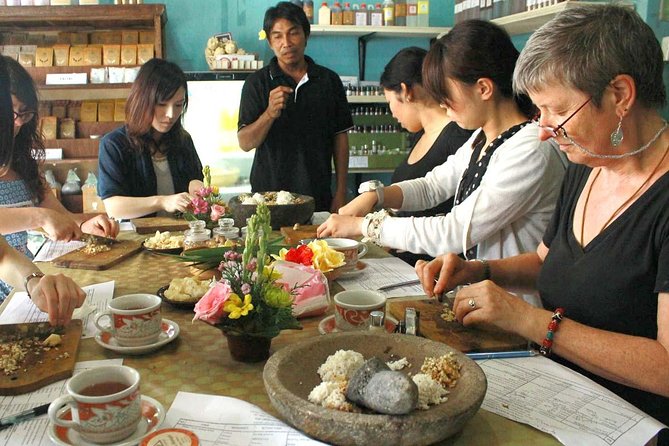
It also works well for couples and small groups, since the setting stays friendly and the class keeps moving. Families can do it too, and at least one guest described bringing adult children for a shared experience. If your group has different comfort levels with cooking, the small size and multiple steps usually help people stay involved.
If you are traveling solo, you will still get plenty of interaction. The class size makes it easier to talk to instructors and learn what others are asking while you work.
The One Catch: It Is a Non-Refundable, Fixed-Day Plan
One thing to plan around is flexibility. This experience is non-refundable and cannot be changed for any reason. So once you book, treat it like a committed schedule item.
The good news is that 5 hours is a manageable chunk in Ubud. Just try not to book it right before a long day trip or immediately after a late flight. If your day runs late due to traffic, you do not want to be rushing through the class.
Also, because transfers are limited to the Ubud area, your best experience depends on being reasonably close to town. If you are outside that range, factor in extra transport time or costs.
Should You Book Paon Bali Ubud Cooking Class?
I think you should book it if your goal is to learn how Balinese dishes are built, especially if banana-leaf fish and minced chicken satay are on your must-eat list. The combination of market-to-kitchen flow, small-group format, and lunch included makes the $44 price feel like a practical deal, not a splurge.
Skip it or reconsider if you are very tight on mobility for market walking, or if you only want the class and you do not care about ingredient shopping. In that case, pick the session that matches your schedule, and keep the hotel pickup zone in mind so logistics do not turn into stress.
If you want one activity in Ubud that actually teaches you something you can use later, this is a strong choice.
FAQ
Is the market visit included?
The traditional market visit is included only in the morning session.
How long is the cooking class?
The duration is about 5 hours.
What dishes will I get to cook?
The experience highlights dishes like banana-leaf fish and minced chicken satay.
Is lunch included?
Yes, lunch is included.
Do I get hotel pickup in Ubud?
Hotel transfer services are included within the Ubud area only. Pickup outside Ubud may have an additional charge.
How many people are in the group?
The class has a maximum of 15 travelers.
Will I receive a certificate?
Yes, you get a cooking class certificate.
When will I receive confirmation after booking?
You should receive confirmation within 48 hours of booking, subject to availability.
Is the experience refundable if I cancel?
No. This experience is non-refundable and cannot be changed for any reason.
More Workshops & Classes in Ubud
More Cooking Classes in Ubud
More Tour Reviews in Ubud






Not for you? Here's more nearby things to do in Ubud we have reviewed












Tour Reviews, compared.
 ★ 5.0All-Inclusive Ubud Private TourFrom $10014,344 reviews
 ★ 5.0Best of Ubud Full-Day Tour with Jungle SwingFrom $568,571 reviews
 ★ 5.0Monkey Forest, Jungle Swing, Rice Terrace, and Water TempleFrom $317,160 reviews
 ★ 5.0Best of Ubud 1-Day Private TourFrom $544,451 reviews
 ★ 4.4Bali: Ubud Palace Legong Dance Show TicketFrom $63,979 reviews
 ★ 5.0Uluwatu Sunset, Kecak Dance, and Dinner Jimbaran BeachFrom $353,681 reviews
 ★ 5.0Tanah Lot and North Bali Tour: Scenic JourneyFrom $1003,620 reviews
 ★ 5.0Body Massage Experience in Ubud Traditional SpaFrom $213,506 reviews
Browse the lists this tour appears in