
Tour review · TOUR REVIEWS
Bali Cooking Class with Culture Experience
Early in Ubud, your breakfast comes with a plan. This small-group Bali food class starts with a morning market ingredient hunt, then moves into a home cooking pavilion where you learn Balinese techniques from the chef. I especially like that you get an illustrated recipe booklet with menu, photos, and step-by-step directions you can actually use later.
The one thing to consider is the schedule: it runs about 6 hours and kicks off at 7:30 am, so you’ll want your morning free and your energy set for an active hands-on day.
Key Reasons This Ubud Cooking Class Works
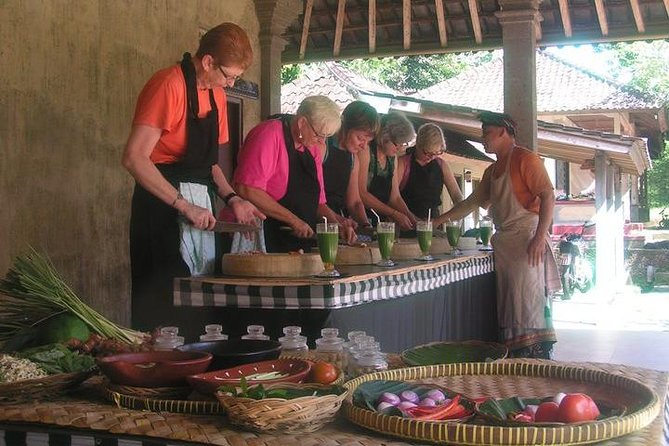
- Market shopping with a Family Host: You see, smell, and learn what goes into Balinese cooking by shopping fresh herbs, spices, fruits, and vegetables.
- Dewa sets the tone with coffee and Pisang Goreng: A hot drink plus banana fritters come right at the start, paired with stories about everyday Balinese life.
- A full menu you build, not just one dish: You cook an appetizer, multiple entrees, side dishes, and dessert, so you go home with a real meal you can repeat.
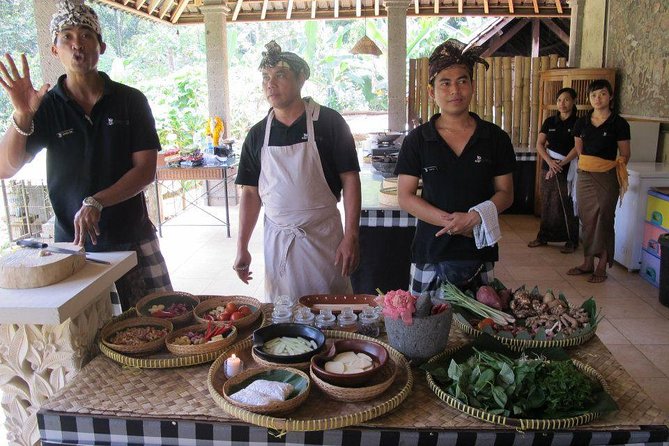
- Home setup that feels personal: The class takes place in a family compound with staff double-checking the cooking pavilion is ready.
- You leave with more than recipes: The illustrated booklet includes directions, photos, tips, and space for your own notes.
- Maximum 12 people: Small group size keeps the experience organized and helps you keep up with the chef.
From 7:30 am Market Notes to Real Ingredient Choices
This is a morning-first experience. You start at 7:30 am in Ubud, and if you’re in central Ubud, round-trip pickup is offered from hotels. That matters because the first part is all about being present, early enough to shop while ingredients are fresh and easy to choose.
You begin at a local market with your Family Host, who buys the ingredients used in your cooking class and explains them along the way. The focus is practical: herbs, spices, fruits, and vegetables, plus what they do in Balinese food. Instead of learning recipes that feel mysterious, you learn the building blocks that make the flavors make sense.
A smart detail here is that the class doesn’t just give you a shopping list after the fact. You watch the ingredient process happen. It’s the difference between memorizing a dish and understanding how to choose similar ingredients when you’re back home.
If you’re the type who likes to ask questions, this is where you’ll get the most value. You can compare aromas, ask what to look for, and start connecting spices to what you taste later in the day.
You can also read our reviews of more cooking classes in Ubud

Coffee, Pisang Goreng, and Learning Life Around the Home Shrines
Before the cooking really begins, you get welcomed at the family home. Dewa greets you with a pipping hot cup of coffee or tea, or mineral water, plus Pisang Goreng, fresh banana fritters made crispy.
This start does two helpful things. First, it gives you something warm and snacky while you settle in. Second, it turns the day from a workshop into a cultural visit. While you drink and eat, you learn about Balinese life, including families and home shrines. You also get the sense that this isn’t just a production line meal. It’s family routines and everyday beliefs around food.
One of the best parts of the pacing is that staff keep double-checking that the cooking pavilion is ready for your class. You don’t have to hover and wonder what comes next. Things stay calm and organized, and you can focus on learning rather than logistics.
If you’ve ever taken a cooking class where the food feels disconnected from culture, this portion helps fix that. You’re not only learning techniques, you’re getting context for why those techniques matter in daily life.
Inside the Cooking Pavilion: Build a Full Balinese Menu
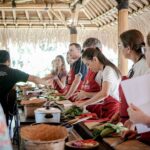
Now comes the hands-on part. You’ll head to the cooking pavilion and prepare a complete menu that includes an appetizer, multiple entrees, accompanying side dishes, and dessert. This is a key reason I’d choose this class over a short, single-dish format.
Why it matters: Balinese flavors often show up across many parts of a meal. Cooking just one dish can leave you thinking the flavors are isolated. Here, you practice the broader meal structure. You learn how appetizers set the stage, how entrees and sides complement, and how dessert closes out the experience.
You’ll work from instructions and guidance as the chef helps you through the process. The tour also provides that illustrated booklet later, but you’ll feel the benefit while cooking because the class is built around a finished menu, not random recipes.
Also, because the group is capped at 12 travelers, the atmosphere stays more “learn together” than “watch from far away.” That matters when you’re chopping, mixing, tasting, and adjusting as you go.
If you’re worried about keeping up, don’t. The day is structured. You’ll be moving through steps with clear timing, and the team works to keep everything ready so you can focus on learning.
Breakfast Snack, Lunch You Cook, and a Gratitude Moment
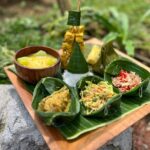
The meal portion is not an afterthought. You’ll enjoy a breakfast snack and a delicious lunch you’ve prepared, finishing with the dessert you made.
Lunch is the payoff. It’s when you can finally taste what you built and understand the flavor logic behind the ingredients you bought earlier. You’ll be sitting down with food that came directly from your hands and your choices at the market. That makes the meal feel earned, not purchased.
One extra cultural detail from the experience: you finish with a ritual of gratitude after the traditional meal. The fact that this is built into the flow tells you the class sees food as more than technique. It’s connected to respect and tradition, and you’ll feel that when the day ends.
A practical note for your stomach: you’re tasting throughout the experience, plus you have a full lunch and dessert at the end. So if you’re the type who eats huge breakfasts normally, you may want to go a little lighter before 7:30 am.
What You Take Home: An Illustrated Booklet That Helps You Cook Again
Here’s where this class earns its value. You leave with an illustrated instructional booklet with your menu, recipes, directions, photos, tips, and plenty of space for notes.
That “space for notes” part is underrated. When you cook at home, you rarely nail everything the first time. With notes space, you can record what worked, what you adjusted, and what ingredient swaps you made. This turns the booklet into a personal reference instead of something you glance at once.
Also, photos help, especially for cooking steps where texture matters. You can compare what your dish looks like to what’s shown. Tips are useful too, because they often cover practical issues like timing or ingredient handling.
If you’ve done cooking classes before where the guide is vague, this is the opposite approach. The booklet is designed to support duplication at home, so you’re not left with a memory and a vague urge to cook something someday.
A few more Ubud tours and experiences worth a look

Price and Value for a Small-Group Ubud Morning
At $62 for about 6 hours, this class lands in the sweet spot for Ubud food activities, especially because key basics are included. You’re not only paying for the cooking session. The experience includes:
- Pickup from central Ubud hotels with round-trip transfers
- A morning market visit where you shop for ingredients
- A hot drink plus banana fritters at the start
- A breakfast snack and lunch you prepare
- A take-home illustrated recipe booklet
- A small group with a maximum of 12 people
That combination is what makes the price feel fair. A cooking class without transportation or meals can end up costing more in the end. Here, you’re building a full morning experience, not just following along for a single course.
Time is the other big factor. Six hours is long enough to learn meaningfully but not so long that you lose your whole day to cooking. If you’re staying in Ubud for a few days, this fits well as a first-morning activity.
The Logistics That Actually Matter Day-of
This tour includes a mobile ticket, and you’ll receive confirmation within 48 hours of booking, subject to availability. It also notes that it’s near public transportation, which is helpful if you prefer to handle your own ride.
The start time is 7:30 am, so plan around an early pickup window if you’re using transfers. Even if you wake up fine, it helps to be mentally ready for market walking and cooking prep.
Group size is 12 travelers max. That’s good for interaction and for staying on schedule. In practical terms, you’re not fighting for attention and you’re more likely to get guidance when you need it.
You should also be aware that this kind of experience may require a minimum number of travelers. If it’s canceled for that reason, you’re typically offered another date or a full refund, so it’s worth booking with flexibility in mind.
Who This Class Is Best For in Ubud
I think this is a great fit if you want a hands-on food experience that still includes culture. It’s especially good for you if:
- You like to shop for ingredients and learn what matters, not just follow a recipe
- You want a meal outcome, not only a few bites to taste
- You care about learning how Balinese cooking uses herbs, spices, fruits, and vegetables
- You’d rather learn in a small group than in a crowded workshop
- You want something you can repeat at home with a clear take-home guide
It’s also a nice choice for couples or solo travelers who want an organized day. The warm start with coffee and Pisang Goreng, plus the family setting, tends to make people comfortable quickly.
If you only want quick samples with zero cooking, this probably won’t match your style because the day is built around preparing a full menu.
Should You Book This Bali Cooking Class in Ubud?
Yes, if your goal is to learn Balinese cooking in a way that sticks. The strongest reasons to book are the market ingredient focus, the warm family welcome with Dewa, and the fact that you leave with an illustrated booklet that includes photos and directions, not just a list of ingredients.
Book it especially if you’re the type who likes context, because the day includes stories about Balinese family life and home shrines, plus a gratitude ritual after the meal. That combination is exactly what makes a cooking class feel like a real travel experience.
Only hesitate if the early start at 7:30 am and a 6-hour schedule would feel like too much. If mornings drain you, choose a slower day. If you’re good with early wakeups, this is one of the more satisfying ways to spend time in Ubud.
FAQ
What time does the Bali cooking class start?
The experience starts at 7:30 am.
How long is the cooking class?
The duration is about 6 hours.
Where does the experience take place?
It takes place in Ubud, Indonesia, with the stop listed as Lobong Bali Cooking Class.
Is pickup available from hotels?
Yes. Round-trip transfers from central Ubud hotels are offered.
What is included in the class?
You’ll tour a morning market to shop for ingredients, enjoy a breakfast snack and a hot drink with banana fritters, cook a full menu that includes appetizer, entrees, side dishes, and dessert, and take home an illustrated instructional booklet.
Is the group size limited?
Yes. The experience has a maximum of 12 travelers.
Do I get a recipe booklet to use at home?
Yes. You leave with an illustrated instructional gift booklet that includes the menu, recipes, directions, photos, and tips, plus space for notes.
Is a mobile ticket provided?
Yes, the experience includes a mobile ticket.
When will I receive confirmation after booking?
Confirmation is received within 48 hours of booking, subject to availability.
What is the cancellation policy?
You can cancel for free up to 24 hours in advance of the experience start time for a full refund. Changes made less than 24 hours before the start time are not accepted.
More Workshops & Classes in Ubud
More Cooking Classes in Ubud
More Tour Reviews in Ubud





Not for you? Here's more nearby things to do in Ubud we have reviewed









Tour Reviews, compared.
 ★ 5.0All-Inclusive Ubud Private TourFrom $10014,344 reviews
 ★ 5.0Best of Ubud Full-Day Tour with Jungle SwingFrom $568,571 reviews
 ★ 5.0Monkey Forest, Jungle Swing, Rice Terrace, and Water TempleFrom $317,160 reviews
 ★ 5.0Best of Ubud 1-Day Private TourFrom $544,451 reviews
 ★ 4.4Bali: Ubud Palace Legong Dance Show TicketFrom $63,979 reviews
 ★ 5.0Uluwatu Sunset, Kecak Dance, and Dinner Jimbaran BeachFrom $353,681 reviews
 ★ 5.0Tanah Lot and North Bali Tour: Scenic JourneyFrom $1003,620 reviews
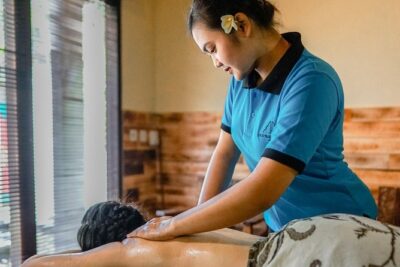 ★ 5.0Body Massage Experience in Ubud Traditional SpaFrom $213,506 reviews
Browse the lists this tour appears in