
Tour review · TOUR REVIEWS
authentic Balinese organic cooking class in Ubud
A morning on a Balinese farm beats the usual cooking class routine. Here you learn why ingredients matter, not just how to follow steps, with an organic focus from garden to plate in Ubud.
I especially like the farm-style pacing, you start with pickup, then head to the grounds for picking and hands-on cooking, and you end with a lunch that’s genuinely yours. The best part is how small the group stays, max 10, so the chef can actually show you what to look for. One possible drawback to plan around is that the experience depends on good weather, and your schedule could shift if conditions are poor.
Key Highlights You Will Feel Right Away
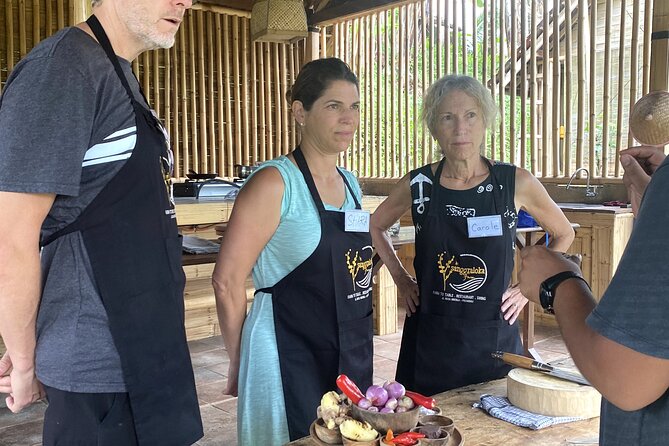
- Organic ingredient picking on-site, tied to the farm and garden where the class happens
- Small-group format (max 10), which makes it easier to ask questions while you cook
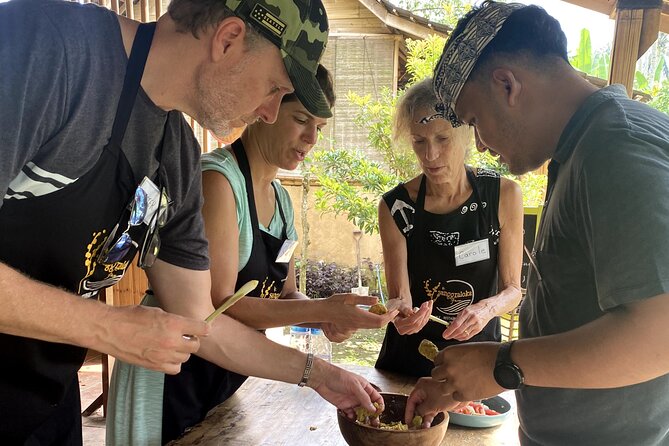
- Manual, hands-on cooking tools, so you learn the process rather than just watching
- Balinese ingredient lessons, including ingredient functions and even medicinal uses (with Ninek, if you get her)
- Lunch with scenic views, plus optional add-ons like a swing or a natural waterfall
From Your Ubud Pickup to a Real Farm Start
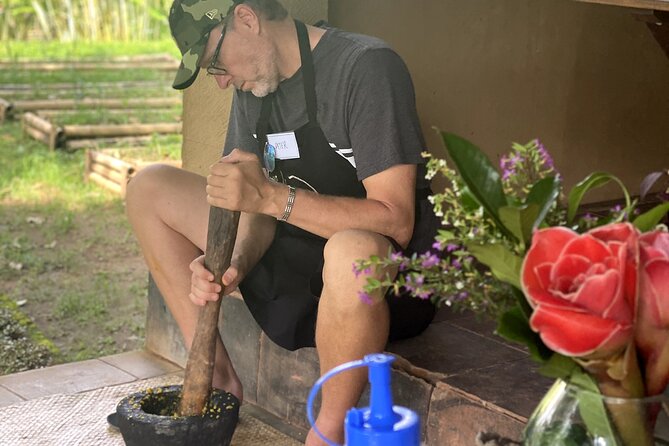
This is one of those Ubud activities that feels built around place, not a generic classroom. I like that you get pickup from your accommodation, then you ride to the farm and garden area where the cooking class actually takes place. It reduces hassle, and it also sets the tone, you are already “in it” before you touch a knife.
The day runs about 4 hours. That’s long enough to learn, cook, and eat, but not so long that you lose the whole afternoon to planning, travel, and setup. Your ticket is mobile, so you are not hunting for paper, and the small group size (up to 10) helps keep the experience relaxed.
For the road and the grounds, come prepared. Wear something you can get a little dusty or damp, because you will be moving around the garden and harvesting ingredients. Bring sunscreen and something for bugs, since you are outdoors for part of the experience. If you are sensitive to heat, go easy during the harvesting segment and sip your drink slowly.
You can also read our reviews of more cooking classes in Ubud
Organic Ingredients: Picking From the Garden and Using What You Grow
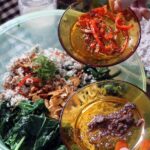
The heart of this class is the organic ingredient story. Instead of arriving to a table of pre-prepped items, you head to the garden where the plants for spices and staple ingredients are growing. From there, you learn how ingredients are identified and used, and you get to help with picking during the right harvesting time.
I love that you directly pick staples from the farm when they are in season, and then those ingredients get processed in the kitchen. That freshness changes how the whole class feels. You are not just cooking a recipe, you are participating in ingredient selection, and that makes the later cooking instructions make more sense.
Also, pay attention to the “functions” part of the lesson. The chef teaches and introduces Balinese food ingredients and how they work in the dish from the start. That means you learn more than one meal, you learn ingredient behavior, what an herb adds, what a spice does, and how the combination builds flavor.
If you are the kind of person who likes food explanations, you will enjoy this. If you only want quick steps and zero talk, you may find the teaching portion a little longer than you expected, but it is the reason the class feels different from the average cooking stop.
The Chef’s Lesson: Balinese Ingredients, Medicinal Uses, and Practical Prep
Once you arrive, you get a welcome drink and an introduction to how the class works. Then the chef breaks down Balinese ingredients and their roles before you cook. This is where the organic theme becomes more than a marketing word, because you learn what the ingredients are, what they contribute, and how they are prepared.
One review highlights Ninek, the cooking teacher, and describes the way her crew taught how to pick ingredients and what they are used for, including other medicinal uses. That is a big part of the appeal if you want more cultural food context, not just technique.
Here’s a practical tip for you during this teaching phase: watch how the chef handles the ingredient, not just how they name it. The same plant can taste and behave differently depending on how it is processed. When the instructions stay hands-on, you are more likely to remember them later when you cook at home.
Because you are learning ingredient functions, you will also be better at adjusting flavors. If you get a note like citrusy, earthy, or warming from the herbs and spices, you can recreate the idea at home even if the exact product is not available where you live.
Cooking Time With Mostly Manual Tools
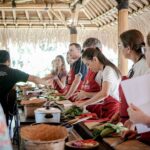
After the garden segment, you move into the cooking space where the chef guides you through preparation and cooking. Tools are almost all manual, and that matters more than it sounds. Manual cooking tools encourage you to slow down and understand textures, mixing, and the physical work of making food.
In one experience summary, the teacher guided the group through the creation of six different dishes. Even if your exact menu varies, you should expect you will do real cooking, not just one easy dish and a long sit-down.
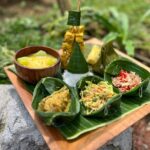
This is also where the learning becomes personal. You are building your lunch from the ingredients you picked, and the chef’s guidance helps you connect those earlier lessons to what you see and smell while cooking. If you like food that tastes like it has a story behind it, this is the part where you feel it.
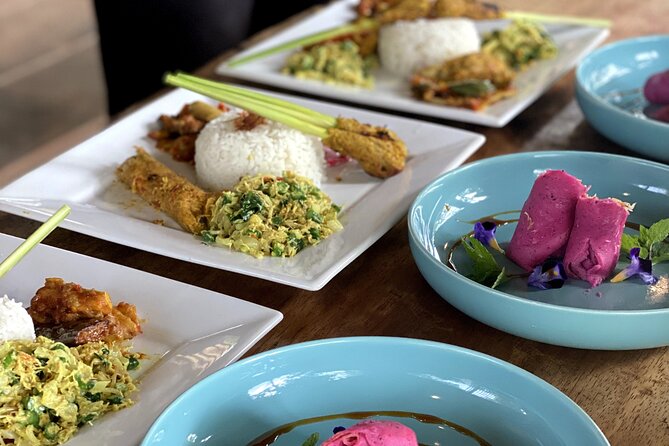
At the end, you eat what you cooked. That is a simple idea, but it is often missing from half-day classes where the food is basically pre-arranged. Here, your work turns into the meal, and you get to experience the results immediately while everything is fresh.
Lunch With Views, Plus Optional Swing and Waterfall Time
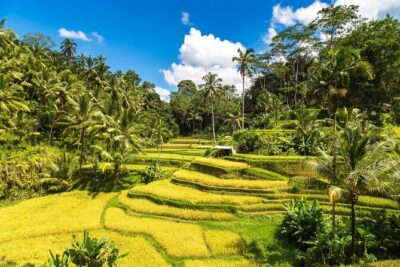
One reason people remember this class is the setting. Lunch is served while you enjoy the view, with one account calling out a rice terrace view. So yes, you eat what you cooked, but you also get that Bali “outside” feeling that makes it more than a food errand.
There are also optional add-ons mentioned like a swing and a natural waterfall. I would treat those as bonus time depending on your energy and schedule. If you want more photos and a quick thrill between lessons, this could be fun. If you prefer to keep your day calm and focused on food learning, you can skip them and stay with the core cooking experience.
Timing can matter here. You are already outdoors for harvesting and cooking, so the optional extras can be a lot under strong sun. If you are heat-sensitive, plan to take breaks and drink water when you can.
A few more Ubud tours and experiences worth a look

Price and Value: What $47 Gets You in Ubud
At $47 per person for about 4 hours, this class is priced like a mid-range local experience, but the value comes from what’s included. You are not just paying for a recipe. You’re paying for:
- Pickup and drop-off from your accommodation
- A farm and garden visit tied to organic ingredients
- A welcome drink
- Chef-led instruction focused on ingredient functions
- Cooking with mostly manual tools
- Lunch made from what you prepared
For many cooking classes, you show up, follow steps, then eat something prepared by someone else. Here, the farm-to-kitchen approach adds real time and real work, and that is what you are buying.
The small group size (max 10) also matters. Larger groups can turn “class time” into “stand and wait.” In a smaller group, you can ask questions and get help when you get stuck. If you are trying to learn how to cook, that’s not a luxury, it is the core value.
Best Fit for Your Travel Style (And a Weather Reality Check)
This is a great fit if you want an authentic Bali food experience that goes beyond flavor. You will like it if you care about how ingredients are grown, how they are chosen, and why they are used in Balinese cooking.
It also suits couples, small groups, and solo travelers who prefer structured learning with enough room to interact. If you enjoy outdoor activity and you do not mind moving around a farm and garden, you will feel at home.
One reality check: the experience requires good weather. If conditions are poor, it can be canceled, and you would be offered a different date or a full refund. That means you should avoid booking this at the absolute tail end of your trip unless you have flexibility.
FAQ
FAQ
How long is the organic Balinese cooking class in Ubud?
It lasts about 4 hours (approx.).
What is the price per person?
The price is $47.00 per person.
Is pickup from my hotel included?
Yes, pickup is offered from your accommodation, and you are also dropped back at the end.
Is there a mobile ticket?
Yes, you receive a mobile ticket.
How big is the group?
There is a maximum of 10 travelers.
What is included besides cooking?
The experience includes a welcome drink, learning about organic ingredients, cooking with mostly manual tools, and enjoying the lunch you cook.
Is the class held outdoors?
You spend time in a farm and garden area where ingredients are planted and picked, so it is an outdoor experience as well as cooking.
What happens if the weather is bad?
The experience requires good weather. If it is canceled due to poor weather, you will be offered a different date or a full refund.
How flexible is cancellation?
You can cancel for a full refund up to 24 hours in advance. If you cancel less than 24 hours before the start time, the amount paid will not be refunded.
Should You Book This Organic Cooking Class?
If you want more than another “cook and eat” activity, I think you should book it. The organic farm-to-kitchen approach, the on-site picking, the chef-led ingredient education, and the small group size add up to a class that feels grounded in place.
Skip it only if you hate outdoor time or you know your trip does not allow flexibility for weather. If you can handle a warm morning outdoors and you like learning how ingredients work, this is a solid use of a half day in Ubud.
More Workshops & Classes in Ubud
More Cooking Classes in Ubud
More Tour Reviews in Ubud

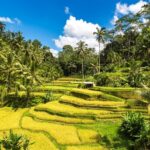


Not for you? Here's more nearby things to do in Ubud we have reviewed







Tour Reviews, compared.
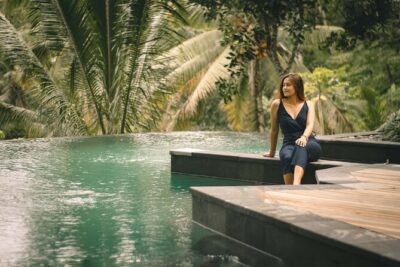 ★ 5.0All-Inclusive Ubud Private TourFrom $10014,344 reviews
 ★ 5.0Best of Ubud Full-Day Tour with Jungle SwingFrom $568,571 reviews
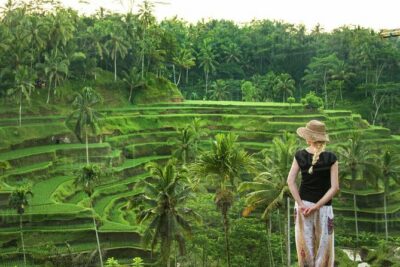 ★ 5.0Monkey Forest, Jungle Swing, Rice Terrace, and Water TempleFrom $317,160 reviews
 ★ 5.0Best of Ubud 1-Day Private TourFrom $544,451 reviews
 ★ 4.4Bali: Ubud Palace Legong Dance Show TicketFrom $63,979 reviews
 ★ 5.0Uluwatu Sunset, Kecak Dance, and Dinner Jimbaran BeachFrom $353,681 reviews
 ★ 5.0Tanah Lot and North Bali Tour: Scenic JourneyFrom $1003,620 reviews
 ★ 5.0Body Massage Experience in Ubud Traditional SpaFrom $213,506 reviews
Browse the lists this tour appears in