
Tour review · TOUR REVIEWS
Balinese Cooking Experience
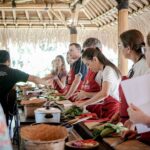
Balinese cooking in Ubud is surprisingly hands-on. This class takes place at The Kumbuh Restaurant, set on a resort lounge deck, and you learn “secret dish” recipes from a working chef before eating what you make for lunch or dinner. Morning runs around 11:00 am for a meal-focused session, and the afternoon slot starts around 5:00 pm if you want your feast at golden hour.
I really like the tight, clear flow: two cooking sessions plus a dessert time, with tastings built in so you are not left guessing whether you nailed it. I also like the take-home part, you get the chef’s secret recipe as a gift, which turns the class into something you can repeat at home.
One consideration: the schedule can be inflexible for last-minute booking, and at least one previous booking situation involved a lack of timely communication. If you are trying to book late, I’d plan on confirming details early and giving yourself extra buffer (the lesson is short, so timing matters).
Key things to know before you cook in Ubud
- Chef-led structure with two cooking rounds so you can actually learn the process, not just watch
- Tastings plus dessert so your meal feels complete, not like a snack class
- Pickup offered in Ubud, with a fallback meet point at the Ubud Tourist Information Centre for stays outside Ubud
- Dining on an open lounge deck after cooking, which makes the whole thing feel more like a shared experience than a workshop
- Take-home secret recipe gift that helps you recreate what you cooked later
Entering The Kumbuh Restaurant, the resort-style cooking vibe
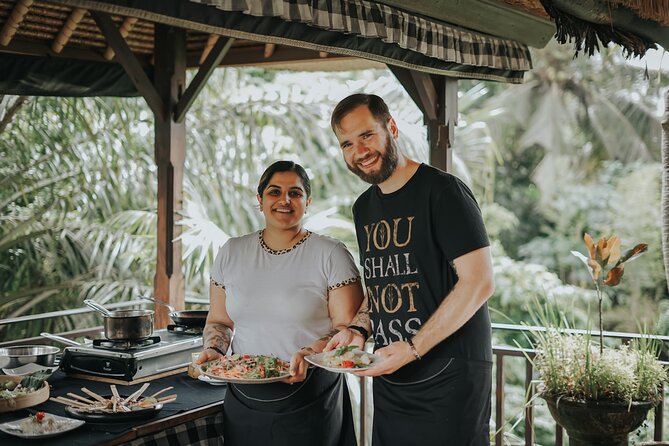
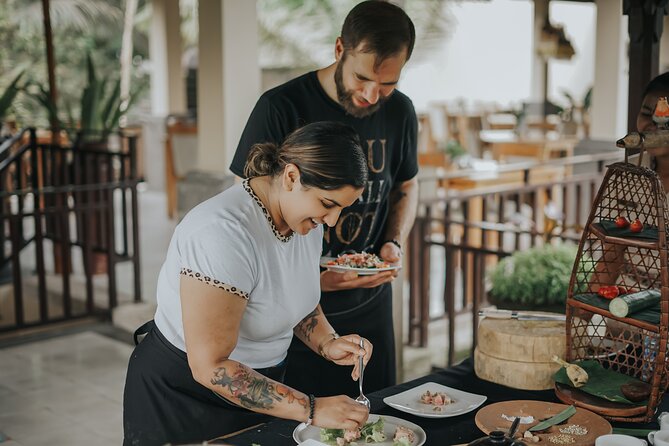
The experience is set in a resort area, and the cooking itself happens at The Kumbuh Restaurant. Even before you start chopping, the setting gives you that comfortable Bali rhythm: you arrive, get settled, and the chef runs the show in a way that feels practical and friendly, not staged.
The class starts with a quick intro plus coffee or tea. That matters more than you might think in Ubud. You are about to stand, taste, and move through recipes, so having something warm or refreshing right away helps you focus when the cooking begins.
A nice detail in the experience design is that your meal is not separated from the learning. After your cooking rounds, you enjoy what you made in the open lounge deck space. That means you are not rushing off right after class, and the food feels connected to the lesson, which is usually where cooking experiences become memorable.
You can also read our reviews of more cooking classes in Ubud

Morning vs afternoon, and how the timing really feels
You get two options, and both are built around the meal.
Morning class:
- Pick up from your hotel around 11:00 am
- If you stay outside Ubud, you meet at Ubud Tourist Information Centre at 11:10 am
- You arrive and start with intro and coffee or tea around 11:30 am
- Cooking runs in two sessions (with tastings), then dessert
- The class winds down around 1:45 pm, with you back in Ubud by about 2:00 pm
Afternoon class:
- Pick up from your hotel around 3:00 pm
- If you stay outside Ubud, you meet at Ubud Tourist Information Centre at 3:10 pm
- Intro and coffee or tea around 3:30 pm
- Two cooking sessions with tastings, then dessert
- Wrap-up around 5:45 pm, with you back in Ubud by about 6:00 pm
What I like about both schedules is the pacing. The cooking time itself is listed as about 1 hour 30 minutes, but the overall door-to-door rhythm works because the itinerary is so tidy. You are not stuck waiting around for hours.
If you are the type who likes to tour in the mornings and keep evenings free, the afternoon slot can be a great trade. You get your meal out of the way, then you are not thinking about dinner planning later. If you prefer a fuller first half of the day, the morning class gives you lunch built in.
Inside the cooking sessions: coffee, tastings, and a full meal
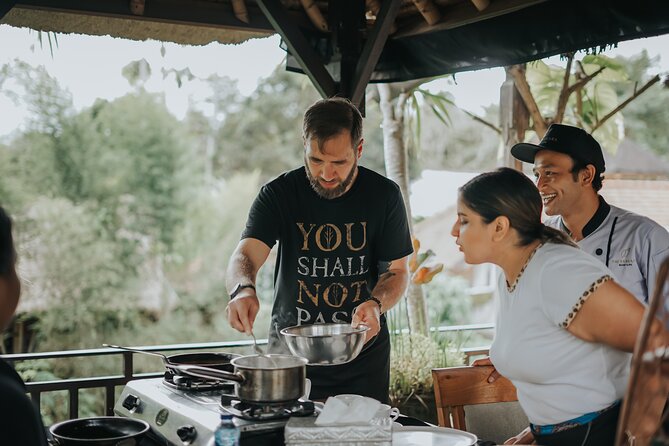
The class is built in stages, and that is the difference between a fun cooking demo and an actual cooking experience.
Arrival and intro:
- You arrive at the resort area and get coffee or tea served.
- Then you start with an introduction before the first cooking session begins.
Cooking Session 1 and tasting:
- Around 11:40 am for the morning group (or 3:40 pm for the afternoon group), the first cooking session starts.
- You also get tastings as you go, which is key. It means you can adjust while the flavor is still fresh, instead of waiting until the end.
Cooking Session 2 and tasting:
- About an hour into the program, you move into the second cooking session and keep tasting.
- This is where a lot of learning sticks, because you compare what you did before with what you do next.
Dessert session and enjoy your dish:
- Dessert comes at the end.
- Then you get time to enjoy what you cooked at the open lounge deck.
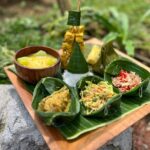
The practical win here is that you are ending with a meal that looks and feels like a three-course experience. One chef described outcome is a three-course feast you could not believe you made, which matches the structure: two main cooking parts plus dessert.
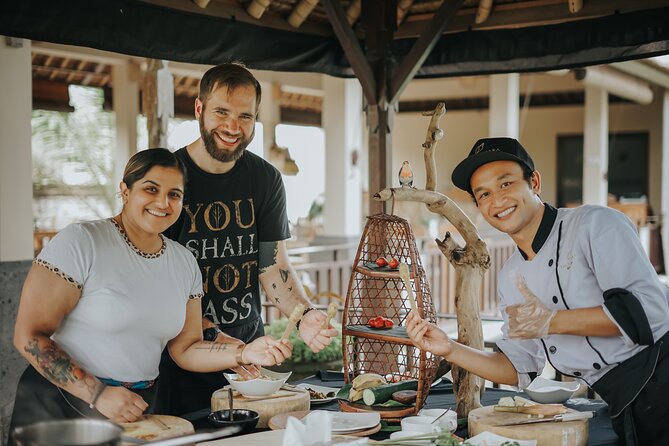
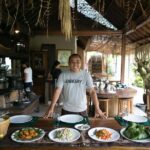
Also, if you want a teacher who explains without making you feel rushed, the chef approach is a big part of the appeal. In sessions where Risma is the chef, his teaching style has been highlighted as both skilled and attentive, and that is exactly what you want when you are learning techniques you might not have tried before.
What you actually learn, and how to turn it into results
You are not just assembling a plate. The format is designed for you to go from ingredients to finished dish with guidance, then sit down and eat your own work.
The chef shares secret dish recipes, and that tends to mean two things:
- You learn specific steps, not just ingredients.
- You get a sense of timing and flavor building, since the tasting moments keep you aligned.
Because the class includes tastings in both cooking sessions, you can catch problems early. In cooking classes where tastings are missing, people often discover halfway through that their spice balance is off. Here, the tasting checkpoints help you correct course.
When it comes to flavor, Balinese cooking often relies on layered aromatics and careful balance between spicy, savory, and sweet elements. Even if you are new to it, this kind of structured class helps you understand what changes when you add more or less of certain ingredients. You are likely to come away with the kind of practical instincts that make home cooking feel doable, not like you need special tools or imported spices.
The open lounge deck meal, why the setting matters
Once you finish cooking, you do not just get handed a plate and told to go. You enjoy your food at an open lounge deck setup. That matters, because you are tasting in the same atmosphere where your class happened.
In places like Ubud, this can also change how you experience the meal. Indoors, a cooking class can feel like an assignment. Outdoors or open-air, it feels more like an evening shared with others, even if the group is just your private party.
This is also where the class’s comfort shows. You are in a resort area, so the experience feels smoother than typical street-stall cooking lessons. That makes it a good option if you want authenticity but also want things to be straightforward and not overly chaotic.




Pickup, meeting points, and avoiding schedule headaches in Ubud
This is one of those tours where logistics can either make your day easy or annoy you. The good news is the pickup plan is clear.
In Ubud:
- Pickup is offered (morning around 11:00 am, afternoon around 3:00 pm).
Staying outside Ubud:
- You meet at Ubud Tourist Information Centre at 11:10 am for the morning slot or 3:10 pm for the afternoon slot.
The experience ends back at the meeting point, which helps you plan the rest of your day. You do not need to figure out how to get home from a remote area, since the schedule brings you back into Ubud.
If you want to minimize stress, I’d treat the meet times as non-negotiable. Cooking is time-based, and you do not want to arrive late and lose part of the intro or first session. If you are traveling around Ubud by taxi or ride-hailing, it can still be worth arriving a few minutes early for pickup.
Also, it is described as private, so only your group participates. That can make instructions easier to follow and can feel more relaxed than a mixed group format.
Price and value: $52 for a short class with a real meal
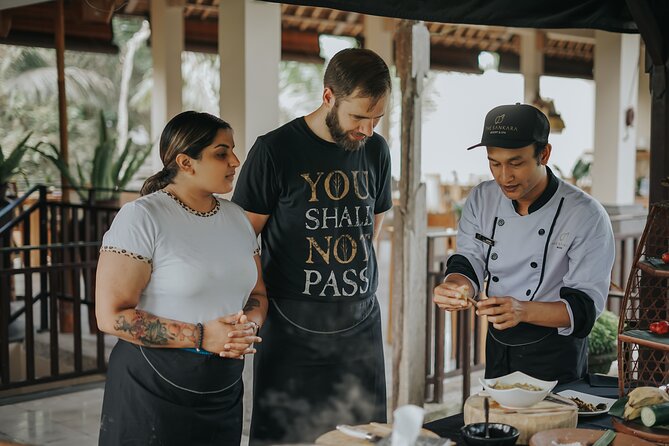
At $52 per person, you are not paying for a quick snack-and-smile. You are paying for:
- a chef-led lesson with two cooking sessions
- tastings during the process
- dessert time
- a memorable lunch or dinner that comes from your cooking
- a take-home recipe gift
- and pickup offered in Ubud
Is it cheap? No. Is it fair value? For Ubud, when a cooking experience includes a full meal and a recipe you can use later, it often ends up feeling like a solid deal compared with paying separately for a guided activity plus dinner.
The best value is when you treat this as your meal event, not just an add-on. If you already planned to eat a typical restaurant dinner, this can feel like you are upgrading dinner into a hands-on cultural activity.
One more value angle: the class is only about 1 hour 30 minutes of activity. If you have a tight itinerary, you can fit this without sacrificing half a day.
Who should book this Balinese cooking class
This class fits especially well if you:
- want a structured intro to Balinese flavors without needing prior cooking skills
- like sitting down to eat what you made (not just taking photos and leaving)
- prefer a private group experience where the chef can stay attentive
- want a practical souvenir, the secret recipe gift makes the learning stick
It can also work if you are traveling as a couple or a small group that wants an activity with a clear start and finish. The timing options help you match it to your day, morning for lunch or afternoon for dinner.
If you are the kind of traveler who hates waiting around, you will probably appreciate the clean schedule, coffee or tea at the start, then cooking sessions back-to-back, then dessert.
Booking tips and small pitfalls to watch for
Because the activity is short and time-based, details matter. Here are the practical things I’d do before you go:
- Confirm your session time clearly, morning or afternoon, since both start with different pickup windows.
- If you are booking last-minute, plan for the possibility that the school may not be able to accommodate changes without advance notice.
- Keep an eye on communication. One past experience involved a lack of timely updates before cancellation, so I would not assume things will fix themselves if a message goes unanswered.
On the flip side, there is a safety net if your plans are flexible. The experience includes a free cancellation window, so you can adjust if something truly changes. Still, try to lock in your slot and then relax.
Also remember, this class runs in Ubud and is near public transportation. If pickup is not possible for your exact location, it is good to know there is a defined meeting point option.
Should you book this cooking experience in Ubud?
If you want a hands-on meal experience in Ubud with a clear schedule, private group format, and a take-home recipe, I think this is an easy yes. For $52, you are getting more than instruction, you are getting tastings, dessert, and lunch or dinner from your own cooking.
I would skip it only if you are booking extremely close to your dates and you cannot confirm timing and communication. For everyone else, it is one of the more practical ways to bring Balinese cooking home, not just as photos, but as actual steps you can repeat.
More Cooking Classes in Ubud
More Tour Reviews in Ubud



Not for you? Here's more nearby things to do in Ubud we have reviewed











Tour Reviews, compared.
 ★ 5.0All-Inclusive Ubud Private TourFrom $10014,344 reviews
 ★ 5.0Best of Ubud Full-Day Tour with Jungle SwingFrom $568,571 reviews
 ★ 5.0Monkey Forest, Jungle Swing, Rice Terrace, and Water TempleFrom $317,160 reviews
 ★ 5.0Best of Ubud 1-Day Private TourFrom $544,451 reviews
 ★ 4.4Bali: Ubud Palace Legong Dance Show TicketFrom $63,979 reviews
 ★ 5.0Uluwatu Sunset, Kecak Dance, and Dinner Jimbaran BeachFrom $353,681 reviews
 ★ 5.0Tanah Lot and North Bali Tour: Scenic JourneyFrom $1003,620 reviews
 ★ 5.0Body Massage Experience in Ubud Traditional SpaFrom $213,506 reviews
Browse the lists this tour appears in