
Tour review · TOUR REVIEWS
Ubud: Barong Dance and Keris Cultural Dance Show Tickets
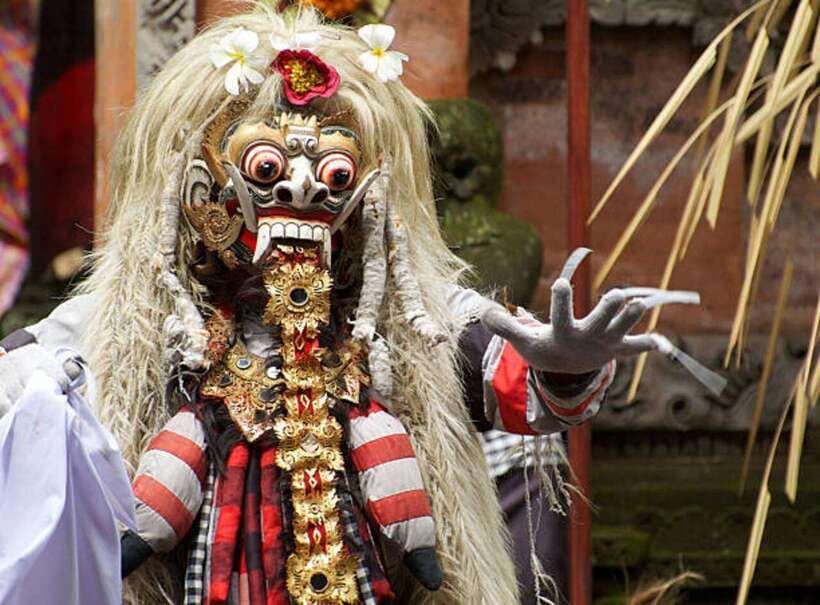
The first time you see the masks move, you get it. This Barong Dance performance at Batubulan Village turns a Balinese myth into nonstop action, with the story of good vs evil carried by dancers, giant costumes, and gamelan music.
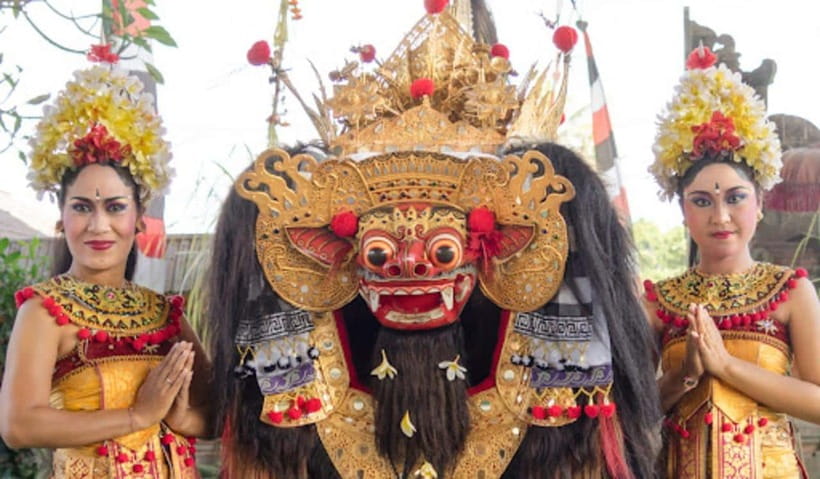
I love the way the characters feel bigger than life. Barong’s lion-like presence and Rangda’s witch-queen energy make the conflict easy to follow even when the spoken explanations are limited. I also really like the craftsmanship, from the detailed costume work to the musicians who stay locked in with the choreography.
One thing to consider: the show can include moments some people find intense or crass, and seating is not always comfortable, so you might want a plan for long sitting.
Key things to know before you go
- Batubulan Village timing matters: the performance starts at 9:30 per the schedule, but your voucher may list a specific start time, so verify yours.
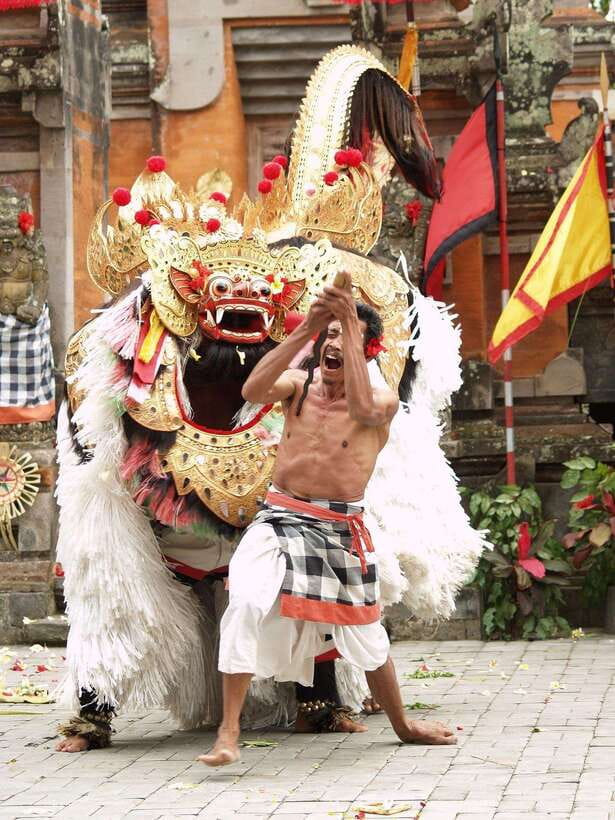
- Good vs evil is the core story: Barong represents protection and benevolence, while Rangda represents chaos and destruction.
- Gamelan is not background music: the haunting melodies and rhythmic beats drive the emotion and pacing.
- Family-friendly, with a twist: there can be a puppet-show segment, and kids often enjoy it more than adults.
- Language support is basic: the performance is visual and musical, but written explanations may not fully help everyone.
- Comfort is your job: chairs can feel uncomfortable for some, so wear supportive shoes and bring a cover-up layer if you run cold.
Barong and Rangda at Batubulan Village: the myth in plain terms
This experience is built around one iconic Balinese tale: an eternal struggle between good and evil. Onstage, you’ll see the dance storytelling through two main characters. Barong symbolizes the protective, benevolent side of the universe, and Rangda represents the fearsome forces of chaos.
The setting for this performance is Batubulan Village, a place associated with traditional dance and cultural performances in Bali. If you’re in Ubud, this is the kind of outing that feels like a true cultural detour without turning your day into an all-day production. The duration is listed as 1 to 5 hours, which usually means it includes travel time, check-in, and the show itself.
What makes this show worth your time is that the story is not delivered like a lecture. It’s delivered through movement and symbolism. Even if you only catch the broad themes, the visuals keep pulling you forward, especially when the action shifts into confrontations between Barong’s followers and Rangda’s dark spirits.
A few more Ubud tours and experiences worth a look

What you’ll see onstage: costumes, masks, and the battle choreography
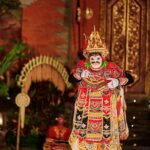
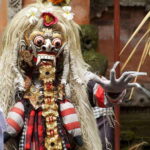
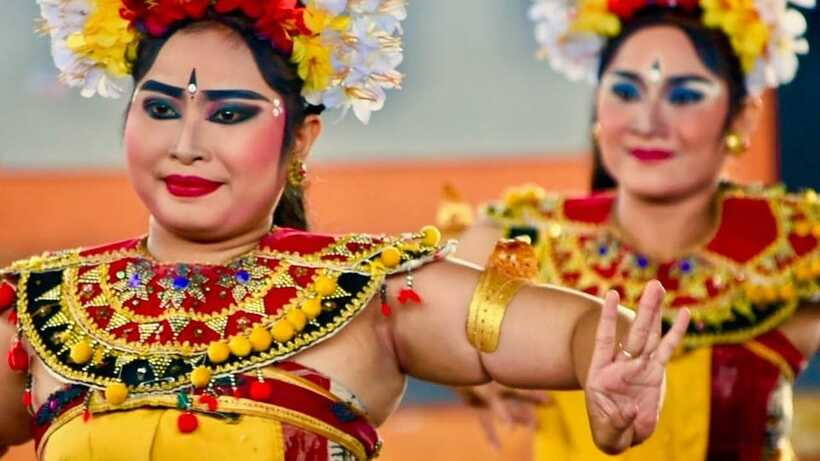
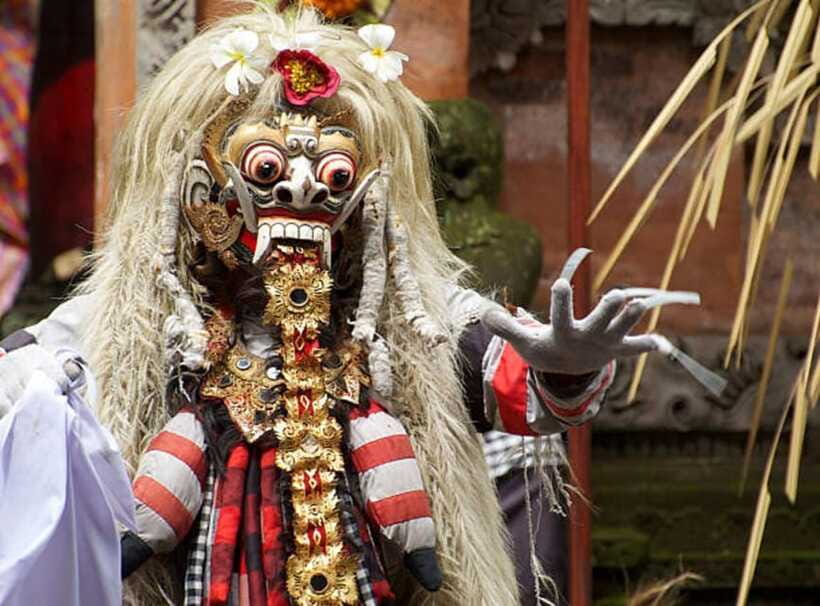
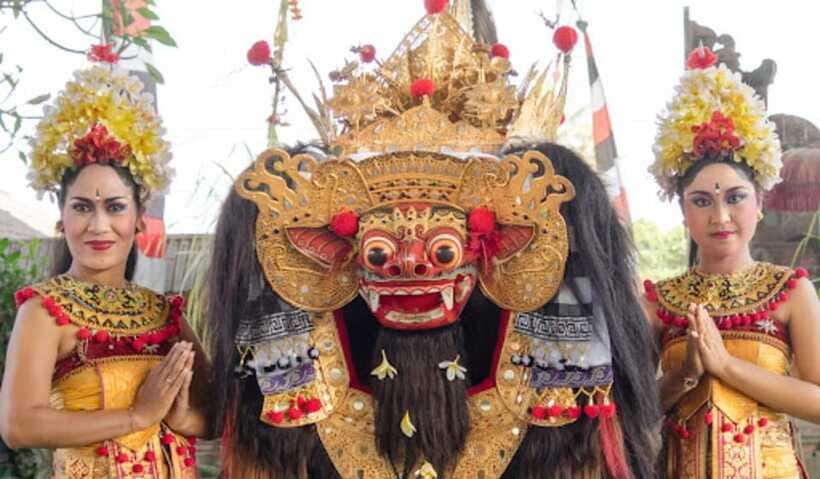
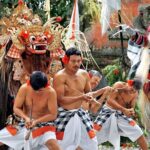
The most striking part is how physical the characters are. The dancers wear elaborate masks and costumes, and the movement style is dramatic on purpose. Barong is presented with a lion-like appearance, and Rangda is portrayed as a witch-queen figure. Their conflict is the engine of the whole show.
The performance is structured like a mythic conflict with rising tension. You’ll see Barong and his side move into battles against Rangda and her forces. It’s the same basic storyline arc you might recognize from other cultures, but here the details are Balinese: the gestures, the rhythm changes, and the way the dancers “perform the forces” rather than just telling a plot.
Two practical tips help here:
- Watch the shifts, not the narration. When the energy changes, the story changes.
- Focus on faces and hands. Even when you might not catch every storyline detail, the expression and posture will usually tell you whose side you’re seeing.
One more thing. The program can include a puppet-show segment. Some people find it a bit long, while kids often get into it right away. If you’re traveling with a family, this part can be a nice momentum break, but plan your expectations if you prefer strictly dance.
Gamelan music: why the sound carries the emotion
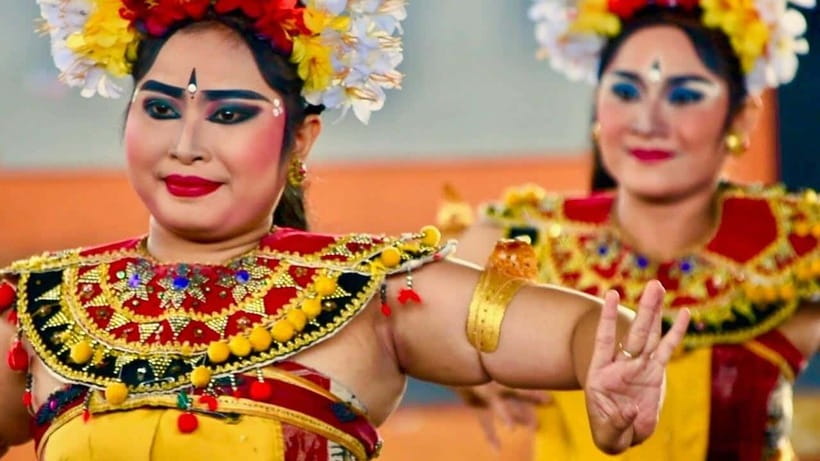
If dance is the picture, gamelan is the soundtrack that makes it feel alive. The music is traditional and played live alongside the performance. The rhythm and melodies help cue the mood changes, from intense conflict to moments that feel more celebratory.
This matters because Balinese dance storytelling often relies on the timing between dancer movements and musical cues. When the musicians and dancers are tightly synchronized, you feel it immediately. You can also use the sound as your guide if the story wording is hard to follow. When you hear the beat accelerate, the staging usually moves toward action. When the tones shift, the mood changes with it.
From what I’d recommend to you: listen first with your ears, then watch with your eyes. It sounds simple, but it makes the show easier to follow, especially if you’re not familiar with the characters or the myth details.
Family-friendly Bali culture, plus the realistic tradeoffs
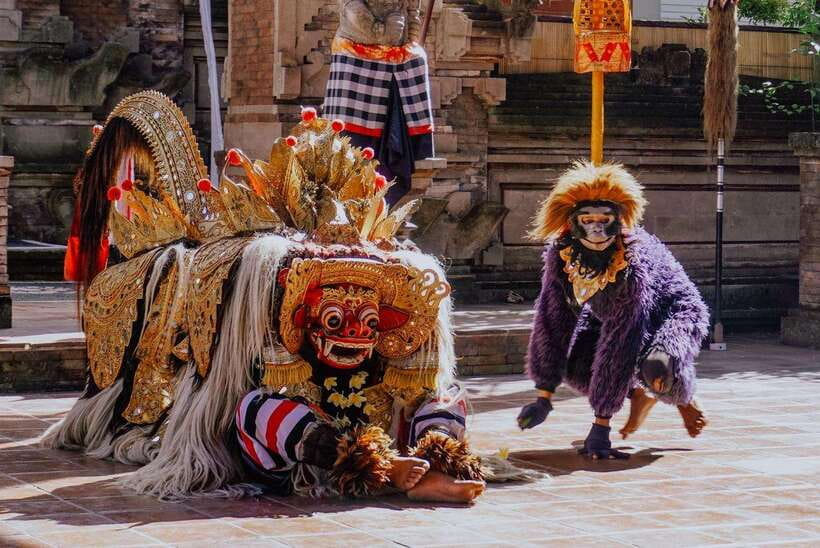
This is a performance marketed as perfect for families and all age groups, and the visuals do work well for mixed ages. Costumes and mask work hold attention, and kids often enjoy the storytelling through the characters rather than through dialogue.
That said, here’s the realistic side. Some performances of this type include moments that can feel intense, and there can be parts people describe as crude. You don’t need to panic, but it’s smart to think about your kids’ tolerance for darker themes, especially the witch-queen and “dark spirits” energy.
Seating is another practical consideration. If the chairs feel uncomfortable to you, it can reduce your enjoyment because you’ll be sitting through the full program. Wear supportive shoes, and consider bringing a light layer. You’ll be in place for a while, and Bali evenings can feel cooler than the midday heat.
Also, the story can be hard to track if you’re relying on English explanations. The performance is visual and musical first, so plan to “watch your way through it.” You’ll likely enjoy it more when you treat it like theater, not like a documentary.
Price and what you’re actually buying for about $6
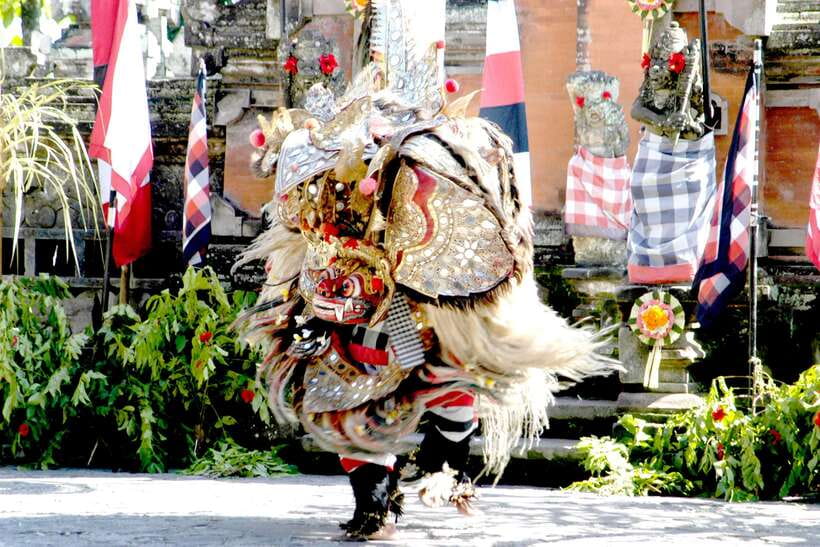
The price listed is $6 per person, which is excellent value for a live cultural performance with elaborate costumes and live gamelan music. At this level, you’re not paying for extras like a gourmet meal or a long guided tour. You’re paying for the core product, the show itself.
The other value lever is seat class. Some ticket options include Silver Class. If you see a class upgrade available when booking, it’s usually worth considering for comfort and viewing. If you’re unsure, think about how much you care about sitting comfortably for the whole performance. For many people, that decision matters more than the difference in ticket tiers.
And if you’re comparing this to other Bali cultural shows: the big selling point here is the iconic story of Barong and Rangda plus the theatrical intensity. You’re getting one of the most recognizable myths in Balinese dance form, not a brief highlight.
A few more Ubud tours and experiences worth a look


Getting there smoothly: transfer option, check-in timing, and ticket sanity
This is where your day can go either smoothly or a bit messy, depending on how organized the check-in feels and which transport option you choose.
Pickup and drop-off
If you select the transfer option, pickup is 8:30am, and it covers Ubud, Denpasar, and Sanur. There’s a note that if you’re in Kuta, Seminyak, or Nusa Dua, you’ll need an additional 100,000 IDR cash. For transfer days, you can bring your food in the car.
If you don’t choose pickup, you’ll exchange your e-voucher and collect your ticket to the team at the venue. Meeting point can vary depending on your booked option.
Timing: start time and buffer
The schedule notes the barong show starts at 9:30. But the activity duration is broad, and starting times can vary, depending on availability. One smart move is to treat your arrival as a buffer day, not a “show starts exactly on my watch” day.
Also, plan to confirm where to check in when you arrive. The check-in experience can depend on the day and the staff on duty, and it’s possible the first person you see doesn’t have the full picture. If that happens, be polite, show your voucher, and ask where the ticket exchange happens at the venue.
If you want a simple rule, use this: arrive early, keep your voucher ready on your phone, and don’t wait until the last minute to find the right desk.
Show etiquette: what to bring, and what to skip
Keep it simple and you’ll have a better time.
Bring:
- Comfortable shoes
- A camera (if you like photos of costumes and masks)
- Comfortable clothes for sitting and warm weather
Avoid:
- Alcohol and drugs
- Littering
- Making fire
These are basic rules, but they matter in places where ceremonies and cultural spaces are respected. Follow them and you’ll blend in instantly.
Should you book the Barong Dance and Keris Cultural show tickets?
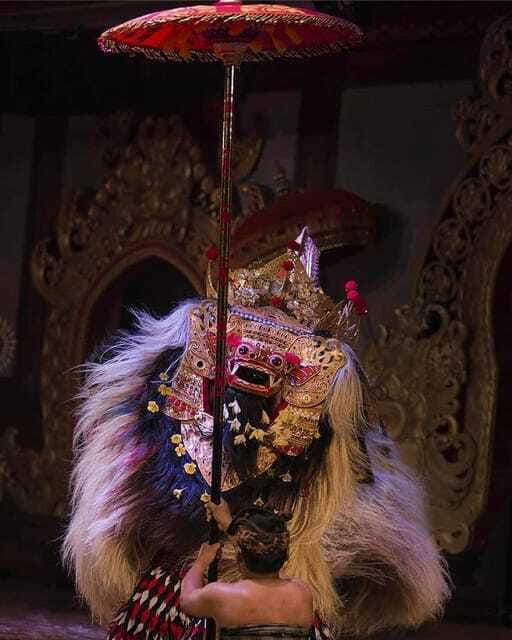
I think you should book this if you want a short Bali outing that delivers real cultural theater, with live gamelan, iconic Barong and Rangda symbolism, and costumes that look like they were made for close attention. At around $6, it’s hard to beat as a first cultural performance in Bali.
You might want to skip it or choose another option if:
- You’re sensitive to darker themes or you’re traveling with very young kids who don’t handle intense characters well.
- You’re picky about seating comfort and you’ll be bothered by uncomfortable chairs for a full performance.
- You prefer shows that are explained in detailed English, because the experience is mainly visual and musical.
If you go with the right mindset, you’ll leave with more than a photo. You’ll understand why this myth matters, and you’ll have watched Balinese storytelling at full stage volume.
FAQ
What time does the Barong dance show start?
The show start time is listed as 9:30. The activity also notes starting times can vary, so check your specific availability and voucher details.
How long does the experience last?
The duration is listed as 1 to 5 hours. Your booked time slot and any travel or check-in time will affect how long you’ll be out.
Where is the Barong dance performed?
The traditional Barong Dance show is located at Batubulan Village.
Is pickup and drop-off included?
Pickup is optional. If you select the transfer option, private round transfer covers Ubud, Denpasar, and Sanur. Areas outside that range require additional cash as stated in the activity info.
What if I do not select the transfer option?
If you do not choose transfer, you’ll need to exchange your e-voucher and collect your ticket from the team at the venue.
Do I need to bring anything?
You’re advised to bring comfortable shoes, a camera, and comfortable clothes.
Is alcohol allowed?
No. Alcohol and drugs are listed as not allowed.
What languages are available?
The host or greeter speaks English and Indonesian.
Is it suitable for babies?
It is not suitable for babies under 1 year.
More Shows & Entertainment in Ubud
More Tickets in Ubud



More Tour Reviews in Ubud





Not for you? Here's more nearby things to do in Ubud we have reviewed










Tour Reviews, compared.
 ★ 5.0All-Inclusive Ubud Private TourFrom $10014,344 reviews
 ★ 5.0Best of Ubud Full-Day Tour with Jungle SwingFrom $568,571 reviews
 ★ 5.0Monkey Forest, Jungle Swing, Rice Terrace, and Water TempleFrom $317,160 reviews
 ★ 5.0Best of Ubud 1-Day Private TourFrom $544,451 reviews
 ★ 4.4Bali: Ubud Palace Legong Dance Show TicketFrom $63,979 reviews
 ★ 5.0Uluwatu Sunset, Kecak Dance, and Dinner Jimbaran BeachFrom $353,681 reviews
 ★ 5.0Tanah Lot and North Bali Tour: Scenic JourneyFrom $1003,620 reviews
 ★ 5.0Body Massage Experience in Ubud Traditional SpaFrom $213,506 reviews
Browse the lists this tour appears in