
Tour review · TOUR REVIEWS
Private Car Charter – Explore Best of Bali
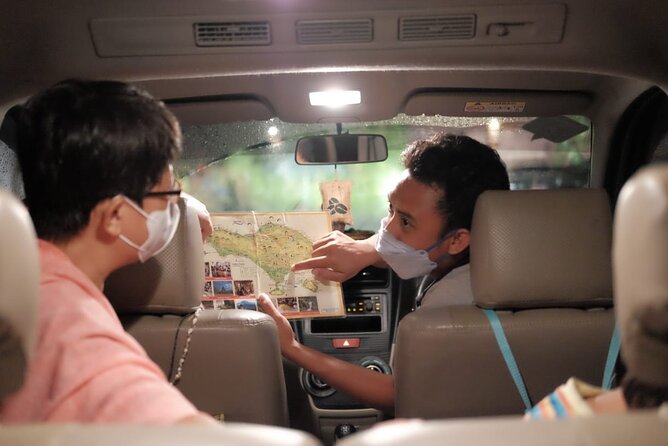
A private day in Ubud keeps things simple. You choose the pace, the sights, and whether you want tourist favorites or quieter corners, all with an English-speaking chauffeur and your own air-conditioned car. That freedom is the main reason this charter works so well in Bali, where travel time can eat your day.
I especially like the total control over your itinerary, including the option for your driver to suggest a plan if you want help. I also like the practical setup, no ride sharing, so your group moves together instead of waiting on strangers. The one thing to watch is that entrance fees for temples and attractions are not included, and traffic can shift how much you realistically squeeze in.
Key highlights at a glance
- Your own vehicle, no ride sharing, so the schedule stays yours
- English-speaking chauffeur, with drivers who have a track record of being friendly and informative
- Pick-up is offered, which reduces the morning scramble
- 10-hour window, flexible for slow temple time or a fast-hit culture circuit
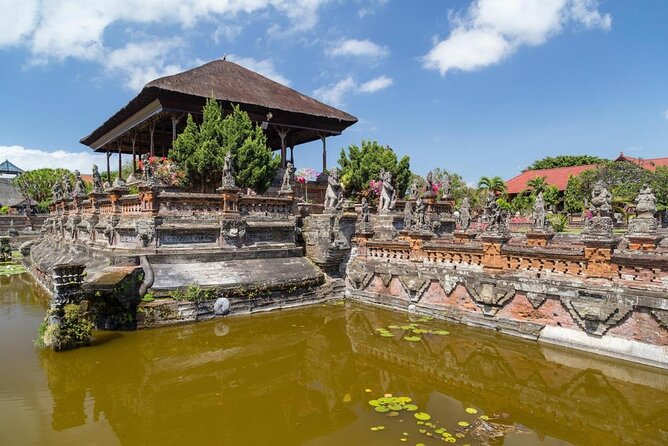
- Sample route includes iconic and quieter stops, from Tirta Empul to lesser-visited water temples
- Mobile ticket included, plus taxes are handled in the price
Why a private Ubud car feels easier than a grab-bag of taxis
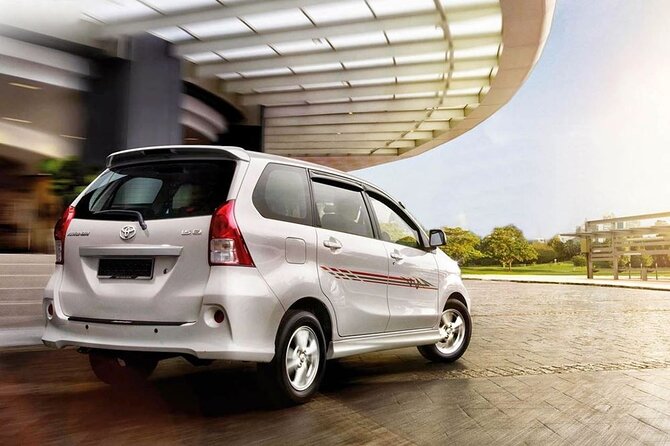
Bali is gorgeous, but it is not built for a stress-free hop-on, hop-off day. Roads, junctions, and parking can turn a simple route into a time sink. A private charter cuts the chaos by keeping your transport constant, so you can focus on getting your eyes on Bali instead of your watch on traffic.
This setup is also a choice, not a compromise. If you want to do the popular Ubud circuit, you can. If you would rather spend less time at the big crowd magnets and more time at smaller places, you can ask for that too. Either way, you are not negotiating with multiple drivers or rebuilding your plan every time a phone call goes sideways.
Finally, you get the comfort layer that matters in Bali. You stay in an air-conditioned vehicle, and your chauffeur handles logistics like the driving and timing between stops. That can make the day feel like a proper excursion instead of a patchwork.
You can also read our reviews of more private tours in Ubud


Price and value: what $30 per person buys in real life
The headline price here is $30 per person, with the booking pattern showing many people lock it in about a month ahead. That is not a lot of money for a full day of private, chauffeur-driven transport, especially in a region where a taxi day can become expensive fast, and multiple rides can fragment your timing.
What makes the price feel more reasonable is what is included: a private tour service, an air-conditioned vehicle, an English-speaking driver, tour service up to 10 hours, and service and government tax. In other words, you are paying for the transport time and the driver, not just a ticket to a specific attraction.
Two budget notes to keep things honest:
- Entrance fees are not included. Temples and paid attractions will add to your final spend.
- Your best value comes when your group uses the full window. A short rental can still be nice, but the per-hour value improves when you stack several nearby stops.
The 10-hour plan, and how to not get stuck in stop fatigue
Even though the route lists a long chain of places, your booking can run from 1 to 10 hours, so you should treat this as a menu, not a checklist. For a first-timer day, a smart approach is to pick a theme. For example, you might focus on “water and purification” (Tirta Empul plus a couple of temple stops) or “green views and culture” (Tegalalang rice terraces, art market, and Ubud’s temple areas).
Time at each stop in the route is generally short, often around 15 to 30 minutes, with a few longer blocks like the waterfall and several temple complexes. That means you need to move with intention. If you love lingering for photos, you may want to drop one or two stops and give the rest more breathing room.
Also, the route mixes types of experiences:
- Hot and scenic (rice terraces, ridge walk, waterfall)
- Quiet and spiritual (temples and water shrines)
- Busy and social (monkey forest, art market, palace areas)
If you try to do all of them in one go, the day can feel like a sprint. If you choose 2 to 4 core experiences and let the rest be optional, you will come out with better memories.
Batuan Village: a calmer look at Balinese daily life
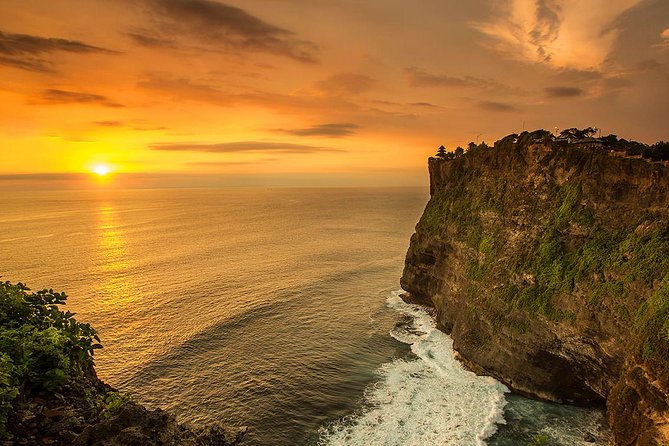
The day can start with Batuan, which is a good move if you want culture that feels rooted in real villages, not just a staged tourist circuit.
Traditional Balinese House compound in Batuan
This stop highlights Balinese architecture and the way buildings are designed by Balinese styles in a traditional compound. You are looking at a living aesthetic, not just a single monument. Admission is not included, so plan for an extra ticket if you want to enter.
A useful way to experience this kind of stop is to treat it like orientation. Notice how space works, how the compound is laid out, and how the house environment connects to the broader temple world later in the day.
A few more Ubud tours and experiences worth a look





Batuan Temple
Batuan Temple is described as a more secretive Hindu temple used by local people to worship. It is located near the main road from Denpasar City to Ubud, so it is practical without feeling like the biggest show in town.
The benefit here is variety. After a traditional house setting, a temple shrine helps you understand the spiritual layer that runs through daily life in Bali. The drawback is that if your driver does not add context, you may spend some time wondering what you are looking at. If you care about meaning, ask your driver to explain what is happening at each site.
Tegenungan Waterfall: jungle views with real energy
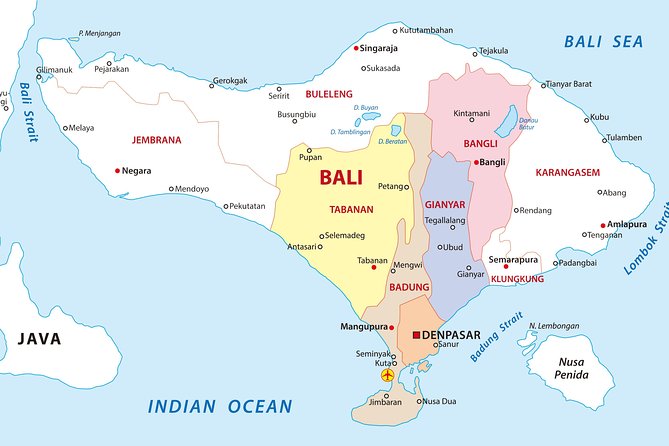
Tegenungan Waterfall is a popular stop near Ubud, known for a powerful flow and a lush jungle setting on the Petanu River. It is also known for refreshing swimming spots in the natural pool, so it is more than just a viewpoint if the weather and your comfort level allow.
What I like about this kind of stop is the physical change of pace. Temples are calm and structured; waterfalls are loud, cooler, and more playful. It is a good reset between architectural or spiritual stops.
The consideration: waterfalls come with unpredictability. The crowd level can be high at peak times, and conditions around pools can be slippery. Even without planning to swim, treat this as a place where you will likely get a bit damp, so wear shoes that can handle wet ground.
Goa Gajah to Mount Kawi: archaeological intrigue meets temple setting
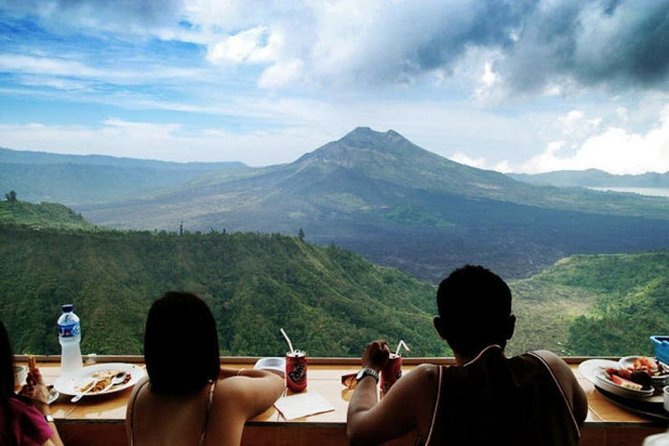
This part of the route gives you a change of scenery, moving from the Elephant Cave area to temple complexes surrounded by rice fields and jungle.
Elephant Cave (Goa Gajah)
Goa Gajah is an archaeological site on the western borders of Bedulu Village, about 6 km from central Ubud. The name can be misleading, which makes it more interesting than a quick stop where you already think you know what is inside.
The practical upside is that it is still close enough to Ubud to fit into a day plan without eating your schedule. The drawback is that a site like this works best with a guide who can translate symbols and layout, so if you want more than the visuals, ask for a quick explanation when you arrive.
Mount Kawi (Gunung Kawi Temple in Tampaksiring)
Mount Kawi Temple sits in a river valley, surrounded by rice fields and jungle, and it is built as a collection of ten candi. That combination of setting plus multiple temple structures makes it a satisfying “slow look” stop.
One thing to consider: multiple temples means you may want to pace yourself and avoid rushing photos. If your goal is both understanding and good pictures, plan a full hour here and then adjust later stops accordingly.
Mengening and Gunung Kawi Sebatu: finding quieter temple time
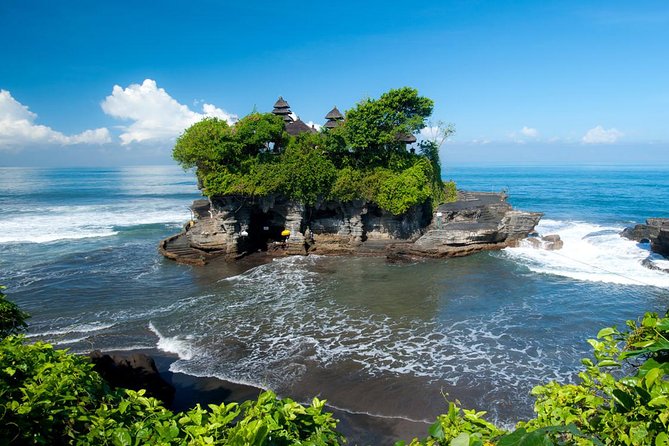
Not every Balinese temple stop is equally crowded, and this route includes two that are positioned as less visited.
Pura Mengening
Pura Mengening is described as one of Bali’s best-kept secrets and a hidden oasis. It sits in the shadows of the more popular Tirta Empul and Gunung Kawi Tampaksiring, which is a smart pairing if you want a comparison in intensity.
If you like a softer atmosphere, this is where you can slow down. The consideration is simple: “hidden” usually means fewer amenities and fewer people, so lean into the calm and come with the expectation that it will be more about the stillness than the scene.
Pura Gunung Kawi Sebatu
Gunung Kawi Sebatu is another serene water temple. The description focuses on peace and spiritual energy, far from the bustle, and that matters because it balances the busier Ubud highlights on the later part of your day.
This is also a good stop if you want a break from photo-heavy attractions. You can focus on details, like how water features shape the space and mood, without feeling like you are competing for a shot.
Tirta Empul: the purification-water experience
Tirta Empul Temple is one of the major highlights near Ubud, famous for its holy spring water used in purification rituals, known as melukat. The route notes that purification happens under 30 spouts, each dedicated to Balinese deities.
Even if you do not join a ritual, the spouts and the setup create a powerful sense of place. This is a stop where you will understand Bali is not only about scenery, it is about practice and meaning.
Two practical considerations:
- It can be busy, especially around popular ritual times.
- If you want to witness respectfully, watch first, then move with care once you understand how people flow through the space.
Tegalalang rice terraces and Happy Swing Bali: views with a decision to make
This section is where the day becomes more scenic and more photogenic.
Tegalalang Rice Terrace
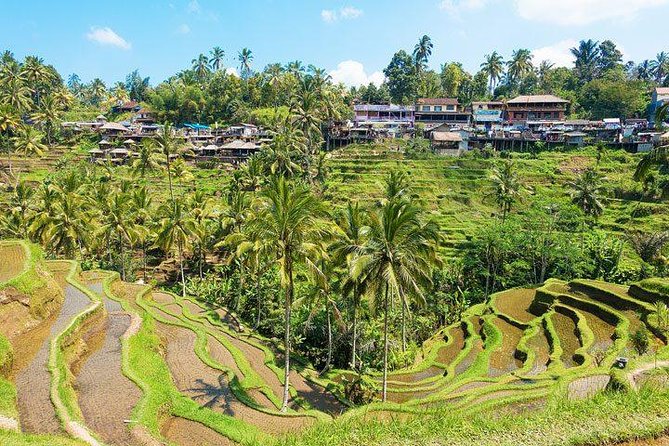
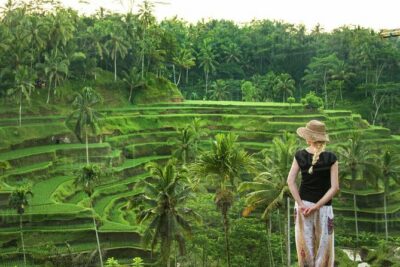
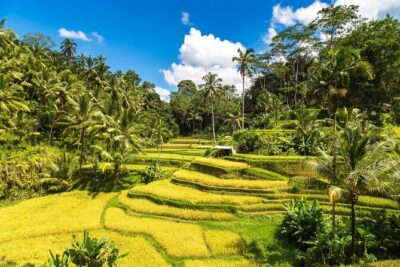
Tegalalang Rice Terrace is famous for emerald-green stepped rice paddies shaped by Bali’s traditional Subak irrigation system. This is not just a background. It is a working landscape that people depend on, and the stepped terraces create dramatic layers as you look across the valley.
The main drawback is timing and crowds. If you can, aim for when the light and foot traffic are manageable, because this is one of the most photographed areas around Ubud.
Happy Swing Bali
Happy Swing Bali is a famous adventure and photo spot in Tegallalang, with giant swings over the rice terraces. It is built for thrill rides and iconic photos, with multiple swings so you can pick the pace and angle that works for your group.
If your group loves action photos, it is a fun contrast to the temples. If your group is more into quiet views, you may feel it is too commercial for your taste. Either way, this stop is a good “choose your own vibe” add-on, and it can be cut if you need more time elsewhere.
Campuhan Ridge Walk and Saraswati Temple: a softer, slower Ubud pace
After the terraces and swings, the route shifts toward calmer experiences that help you slow down and digest the day.
Campuhan Ridge Walk
Campuhan Ridge Walk is known as one of Bali’s popular natural trails. It is a scenic trek along a ridge above a lush green valley below, and it is ideal when you want movement without the intensity of a full hike.
The main consideration is that this is a walk, so wear comfortable footwear and set expectations for uneven ground. It is also a great place to sit for a few minutes, because the views are what you came for.
Saraswati Temple (Ubud Water Palace)
Pura Taman Saraswati, often called the Ubud Water Palace, is described as free-to-enter and dedicated to Dewi Saraswati, the goddess of knowledge. You get a lotus pond and intricate details, and it is located in central Ubud, making it easy to pair with other town stops.
This is a good stop for a short break in the middle of your day, especially if you want something beautiful without a ticket line. The time in the route is short, so if you love details, ask for a bit more time.
Ubud Palace, the Art Market, and Monkey Forest in one efficient sweep
This is the classic Ubud center cluster: culture, shopping, and a living wildlife sanctuary.
Ubud Palace
Ubud Palace, or Puri Saren Agung, is a historic royal residence known for traditional Balinese architecture and intricate carvings. It is also described as a hub for cultural performances like nightly dances.
If you are a design person, carvings and building style will be the win here. If you are not, the short time block can still work as a context stop so Ubud feels like more than just cafes and shopping.
Ubud Art Market
The Ubud Art Market is a bustling traditional marketplace with local handicrafts, souvenirs, clothing, wood carvings, and textiles. It is a good place to understand what visitors like and what locals create, and you can browse without committing to buying.
The tradeoff is crowd noise. It can be fun if you enjoy people watching and bargaining energy, but it can feel exhausting if you are already carrying a lot of heat and walking fatigue.
Sacred Monkey Forest Sanctuary
The Sacred Monkey Forest Sanctuary is a sacred natural sanctuary in Padangtegal, home to over 1,200 long-tailed macaques and ancient temples like Dalem Agung Padangtegal. It is lush, active, and different from the temple-only vibe you get elsewhere in the day.
The biggest consideration is simple: monkeys are wild. Keep your expectations realistic, watch your belongings, and treat the space as a sanctuary, not a petting zoo.
If your group loves wildlife but also understands respectful behavior, this stop can be a highlight. If your group is uncomfortable around animals, consider skipping it and using the time for a quieter temple or the ridge walk.
Campuhan to Ubud: using your driver’s strengths (and asking the right questions)
One of the best things about this type of private charter is the human factor. In past experiences, English-speaking drivers like Wena have been described as safe and comfortable, Darma as friendly and informative with preparation for weather, and Budi as a strong recommendation for making the day efficient.
There is also a lesson from the other side. Some drivers may focus mainly on getting you from point A to point B, without much cultural context or suggested stops. If you care about explanations, ask early.
Here are a few questions you can use, and they stay within the spirit of what the charter is built for:
- Which stops are best when traffic is heavy, and what should we skip?
- If I want more local life than tourist photos, what is the best swap?
- Can you share a short, practical explanation for each temple we stop at?
When you do this, you turn the chauffeur into a guide, even if you are steering the itinerary yourself.
A realistic packing and planning mindset for temple-heavy days
This route stacks several temples, a waterfall, rice terraces, and at least one walking trail. That means your day has a few predictable friction points:
- Heat and sun exposure, especially around terraces and outdoor walking
- Footwear pressure, from uneven ground at natural sites
- Weather shifts that can change how enjoyable a waterfall or ridge walk feels
So plan for flexibility. Use the fact that you have your own car and driver to adjust on the fly. If one stop feels too crowded, shift to a quieter temple nearby. If you want more time in a place, cut one short stop and give it breathing room.
Also, remember: entrance fees are not included. Your final budget should include paid entry for the attractions that require tickets.
Should you book this private car charter from Ubud?
I would book this if you want freedom without stress. It is a strong fit for small groups, families, or anyone who hates the idea of coordinating multiple transport pieces across Bali. The mix of famous Ubud highlights plus lesser-visited temple stops makes it easy to build a day that feels both classic and personal.
Skip it or choose a shorter duration if your group only wants one or two signature sights, because a full 10-hour run is where the transport value really shines. And if you are the type who expects lots of cultural context, communicate that at the start, then lean on your driver to guide the pacing.
Bottom line: if you want to control your Bali day while keeping the logistics handled, this private car charter is a practical, good-value way to see a lot of Ubud without turning your vacation into a transportation puzzle.
More Private Car with Driver in Ubud
More Private Tours in Ubud

More Tour Reviews in Ubud




Not for you? Here's more nearby things to do in Ubud we have reviewed







Tour Reviews, compared.
 ★ 5.0All-Inclusive Ubud Private TourFrom $10014,344 reviews
 ★ 5.0Best of Ubud Full-Day Tour with Jungle SwingFrom $568,571 reviews
 ★ 5.0Monkey Forest, Jungle Swing, Rice Terrace, and Water TempleFrom $317,160 reviews
 ★ 5.0Best of Ubud 1-Day Private TourFrom $544,451 reviews
 ★ 4.4Bali: Ubud Palace Legong Dance Show TicketFrom $63,979 reviews
 ★ 5.0Uluwatu Sunset, Kecak Dance, and Dinner Jimbaran BeachFrom $353,681 reviews
 ★ 5.0Tanah Lot and North Bali Tour: Scenic JourneyFrom $1003,620 reviews
 ★ 5.0Body Massage Experience in Ubud Traditional SpaFrom $213,506 reviews
Browse the lists this tour appears in