
A fat-tire e-bike makes Ubud feel effortless. This 3-hour ride takes you through Sok Wayah lanes, past cottages and rice paddies, with stops that explain everyday Bali life. You also get a real village-style break, not just a photo line.
I especially like how much is packed into the price: local lunch included, plus snacks, bottled water, and hotel transfers within Ubud. The electric assist means you can choose how much you pedal, so the trip stays more fun than sweaty.
One thing to consider is that it is not a car-free cycle path all the way. You will mix in narrow paths and some busier road moments, so you need at least moderate confidence on a bike, and uphill power can feel variable depending on the climb and the rider.
Quick Hits Before You Go
- Fat-tire electric bike support so you can pace yourself on hills
- Sok Wayah village paths and rice views that feel close and local
- Tegalalang Rice Terrace photo stop with a guide’s perspective
- Traditional house stop for a snack and a look at daily life
- Hotel pick-up and drop-off within Ubud, plus an air-conditioned vehicle
- Small groups, up to 6 per booking, with a max of 10 travelers
Entering Ubud on a Fat-Tire E-Bike: What to Expect From the Ride
Think of this tour as a “ride and learn” loop around Ubud’s rice country. You start with hotel pick-up (within Ubud), then head to the shop area to meet your guides and get acquainted with the e-bikes. Once you’re rolling, the big advantage is traction and stability. Fat tires grip better on uneven ground than skinny city tires, which matters when you’re cruising along narrow lanes near fields and homes.
The electric part is not just for show. It helps you manage climbs without turning the tour into hard labor. You still pedal some, but you can lean on the motor when you hit a steeper segment. In practice, this means a wider range of physical ability can enjoy the views at a comfortable pace.
If you’ve never ridden a bike in traffic before, you’ll want to take the first minutes seriously. Reviews hint that the guides are focused on safety, but they also point out that the ride can include roads with motorbikes and cars, as well as narrow paths through the rice area. In other words, you do not need to be an athlete, but you do need a calm mindset.
You can also read our reviews of more cycling tours in Ubud
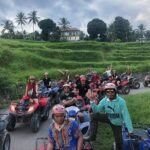


Sok Wayah Lanes and Tegalalang Terraces: The Core Scenic Payoff
The heart of the experience is the ride through Sok Wayah, the area of village paths and rice fields around Ubud. This is where the tour earns its keep. Instead of looking at rice terraces only from a viewpoint, you pass through the rhythms of the place: small cottages, footpaths, and green spaces that feel lived in.
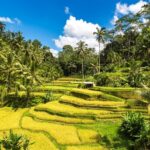
Then you reach Tegalalang Village, where you get the standout rice terraces stop. This is the moment most people picture when they think of Ubud. The terraces are dramatic, and your guide helps you slow down enough to see what you’re looking at. Expect picture stops, plus short explanations that connect the scenery to how people live in Bali.
A practical tip: bring a way to keep your phone or camera secure while you ride. You will stop for photos, but you’re also moving through lanes where a quick gust of wind or an awkward mount can happen. Bottled water is included, but you still want to travel light.
One small drawback to keep in mind: a couple of reviews mention more road time than expected, and limited “nature path” segments. That does not kill the experience, but it’s good to know your scenery comes from a mix of village lanes and supervised traffic moments, not purely from quiet trails.
The Traditional House Snack Stop: Culture You Can Ask Questions About
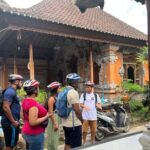
After the terrace and rice-field riding, you get a stop at a traditional house. This is one of those moments where the tour shifts from scenic to human scale.
The guide explains what you’re seeing, and the visit includes a snack. Reviews describe this as a peek into daily life and a family compound feel, where everyone helps each other. You should treat it like a conversation stop, not a museum visit. If you like asking questions, this part can become the most memorable piece of the tour because it brings context to what you’ve been riding past.
You may also see a coffee tasting or coffee plantation-style stop as a break, depending on your day and guide. One reviewer said they could have skipped it but still rated the tour highly, which tells me this is more of a rest moment than the main event. If coffee tours are not your thing, just plan to keep it short and enjoy the rest of the ride.
Lunch on the Shop Terrace: Fuel That Actually Feels Local
By the end of the tour, you’ll stop for a meal at the terrace of the company’s shop area. Lunch is included in the tour price, and multiple reviews mention the noodles as a highlight. You’ll also have snacks along the way, plus bottled water.
What I like about this structure is timing. You’re usually most hungry right after cycling and stopping for photos. The tour doesn’t dump you into lunch while you’re still full of energy. Instead, it uses the ride to create a natural appetite, so the meal feels like a reward.
This is also where the tour offers a less rushed feeling. You can catch your breath, look back on the route you just rode, and talk with your guide about what you saw. If it rains, some guides reportedly carry rain gear like raincoats, so the lunch stop can be a welcome reset.
Guides and Safety: Why Names Like Wayan and Nyoman Keep Showing Up
The guides are a major part of the value here. Several names came up in reviews, including Wayan, Ketut, Nyoman, Gusti, and Suradnya Inyoman. You’ll hear about Bali culture and daily life, but you’ll also notice they manage safety first.
A few useful signals to look for:
- The guide moves at a pace that keeps the group together.
- They stop often enough for photos without turning the ride into a long waiting game.
- When rain hits, they have a plan, not panic.
- On road segments, experienced guides position the group and watch traffic.
One review mentioned that another group in the same time window made things frustrating for a rider who wanted an easier pace. That’s a reminder that even in small groups, coordination matters. The best approach is to be honest with your guide about your comfort level early. If you’re unsure on narrow paths, say so right away. Guides can often adjust how you ride and when you take breaks.
A few more Ubud tours and experiences worth a look


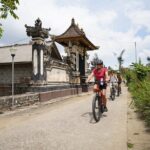

How Hard Is It, Really? Hills, Hills, and More Hills (With Help)
This tour is designed for moderate physical fitness, not couch-potato fitness. Even with electric support, you will be on a bike for about 3 hours. That includes time cycling through village paths and rice areas, plus photo stops.
The good news is the e-bike changes the math. One reviewer noted that you can choose different motor settings, so you control how hard you work on smaller hills. Another said the electric bike made uphill pedaling much easier. For most people, the ride becomes more about enjoying the scenery than grinding through effort.
Still, there’s a fair warning. A review mentioned the bikes didn’t always provide enough power going uphill. Another described early moments as “hairy” on narrow rice-field paths right at the start, especially for someone learning bike confidence.
So here’s my practical advice:
- If you’re a confident cyclist, you will likely find it fun and fast.
- If you’re new or nervous, start with the lowest motor assist that still feels comfortable, then let the guide know you want extra time on the first tricky sections.
- Keep your focus on balance. On narrow lanes, your job is stability first, speed second.
Price and Value at $34: What You’re Buying Beyond the Bike
At $34 for about 3 hours, this tour is strong value if you’re staying in Ubud. You’re not just paying for the bike. The price includes:
- Bike rental and gear
- Local guide
- Bottled water, snacks
- Hotel pick-up and drop-off within Ubud
- Air-conditioned vehicle support
- Local lunch
That package matters because Bali tours can add up fast once you factor in transfers and meals. Here, the bike is only one piece. You also get an organized route with stops, plus a guide who helps you understand what you’re seeing. Even if you’re not an expert cyclist, the structure helps you feel like you’re in safe hands.
Admission ticket is listed as free for at least one stop. That can take the sting out of “optional” add-ons at attractions. You still might encounter a coffee tasting style stop, but that seems more like a break than a mandatory ticket expense, based on what reviews say.
What you should not expect is a fully road-free ride. You’re paying for a guided mix of village lanes, rice-area paths, and supervised road moments. If your ideal day is silent trail riding, you might feel the road segments more than someone who just wants the views and culture.
Logistics That Matter: Timing, Group Size, and Meeting Point
This is a 3-hour tour with morning and afternoon departures. That’s helpful because Ubud can get hot and busy, and choosing the time that fits your day makes a difference. If you want cooler lighting for photos, pick the departure that matches your comfort with heat and crowds.
Group size is small. A maximum of 6 people per booking is noted, and the overall maximum group size is 10 travelers. That tends to mean your guide can spend real time on instruction and safety checks. It also means you are less likely to feel like you’re herded around.
You’ll meet at Puri Bebengan, with the address provided as Jl. Kajeng, Ubud. Your tour ends back at the meeting point. If you’re planning a tight schedule after the ride, give yourself a little buffer for the ride back and time to shower or change.
Should You Book This Ubud Electric Bike Tour?
Book it if you want:
- A practical way to see Ubud’s rice country without tiring yourself out
- A guided route with meaningful stops, including Tegalalang terraces and a traditional house snack visit
- A value-priced tour that includes lunch, snacks, water, and hotel transfers within Ubud
Skip or be cautious if:
- You hate any road riding and want only quiet trails
- You get stressed on narrow paths or you feel uncertain on a bike
- Coffee tasting stops bother you. One guest wanted to skip that part, even while loving everything else.
My bottom line: if you’re in Ubud with about 3 hours and you want the best “ride through real places” experience for the money, this one is a solid choice. The e-bike support plus the small-group guide attention makes it easier than a standard bike tour, and the terrace and traditional house stops give it more than just scenery.
FAQ
How long is the electric bike tour in Ubud?
It runs for about 3 hours.
Is hotel pick-up included?
Yes, hotel pick-up and drop-off are provided within Ubud.
What does the tour price include?
Bike rental and gear, bottled water, snacks, a local guide, an air-conditioned vehicle, and local lunch.
Are there morning and afternoon departures?
Yes, the tour offers both morning and afternoon departures.
Where does the tour start?
The meeting point is Puri Bebengan, Jl. Kajeng, Ubud, Bali.
What is the maximum group size?
The maximum is 10 travelers, with a maximum of 6 people per booking.
Do I need previous biking experience?
You should have a moderate physical fitness level. Some reviews suggest having some riding experience helps, especially for narrow paths and the start of the ride.
Are the bikes electric?
Yes, the tour uses fat-tire electric bikes with motor assist.
Is there a free admission ticket?
Admission ticket is listed as free.
What happens if the weather is bad?
This experience requires good weather. If it is canceled due to poor weather, you will be offered a different date or a full refund.
More Cycling Tours in Ubud


More Tours in Ubud




More Tour Reviews in Ubud



Not for you? Here's more nearby things to do in Ubud we have reviewed








Tour Reviews, compared.
 ★ 5.0All-Inclusive Ubud Private TourFrom $10014,344 reviews
 ★ 5.0Best of Ubud Full-Day Tour with Jungle SwingFrom $568,571 reviews
 ★ 5.0Monkey Forest, Jungle Swing, Rice Terrace, and Water TempleFrom $317,160 reviews
 ★ 5.0Best of Ubud 1-Day Private TourFrom $544,451 reviews
 ★ 4.4Bali: Ubud Palace Legong Dance Show TicketFrom $63,979 reviews
 ★ 5.0Uluwatu Sunset, Kecak Dance, and Dinner Jimbaran BeachFrom $353,681 reviews
 ★ 5.0Tanah Lot and North Bali Tour: Scenic JourneyFrom $1003,620 reviews
 ★ 5.0Body Massage Experience in Ubud Traditional SpaFrom $213,506 reviews
Browse the lists this tour appears in