
Tour review · TOUR REVIEWS
Bali Full Day Photography Tour
Sunrise photos start before most people wake up. This Bali Full Day Photography Tour in Ubud focuses on best views and light, and I really like that the coaching adapts to what you shoot with, from iPhones to SLRs and even drones. One thing to plan for is the early start, around 5:30am, plus it depends on good weather to run.
What makes this tour feel more meaningful than a straight photo drive is how it’s tied to village life. You get a delicious Balinese home-cooked meal and the day includes time with local communities away from the main tourist flow, plus 10 percent of what you pay supports education and dance teaching programs.
It’s also designed for mixed groups. If you’re a photographer, you’ll get practical tips to improve your shots; if you’re not, you can still tag along for the scenery and cultural moments. With a maximum of 4 travelers and pickup available, the pace tends to stay human, and there’s an option for a private photo tour if you want more flexibility.
Key highlights from this Bali photo day
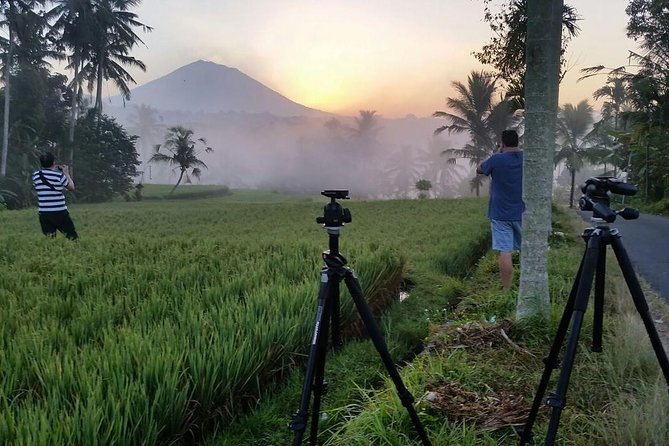
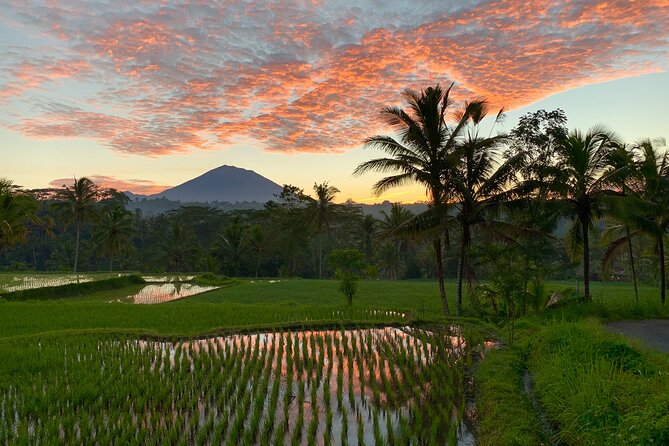
- Mount Agung at sunrise for soft light, rice field views, and rural morning activity
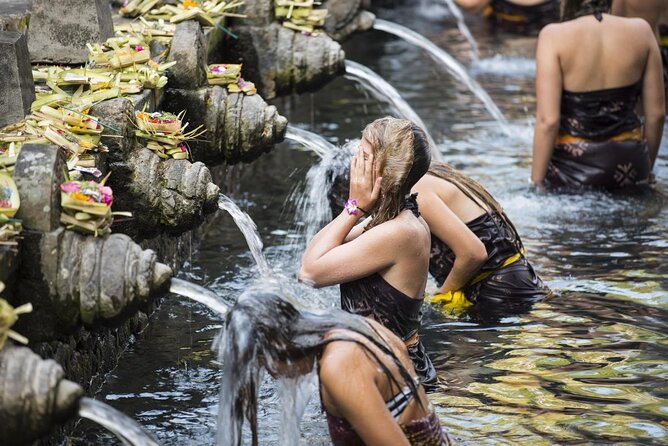
- Tirta Empul purification scenes where temple life creates strong photo moments
- Home-cooked Balinese lunch with local families, plus more village time than a typical day trip
- Coaching for any device (iPhone, SLR, and drones are supported in the tips)
- Small group size (up to 4 travelers) that makes it easier to get personal guidance
- 10 percent community support for education and dance teaching programs in the villages
Mount Agung sunrise: why this stop makes the whole day work
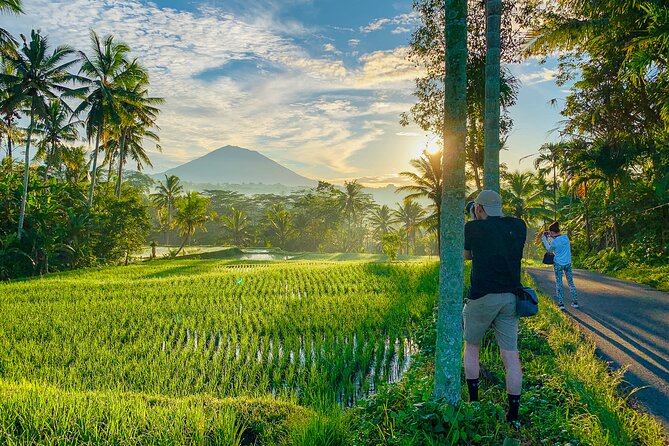
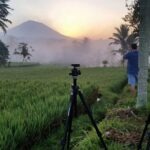
The day begins with a sunrise plan at Mount Agung, which is exactly where photography tours can either shine or fall flat. Here, the timing matters: you’re going for early light when shadows are softer and the colors tend to look more natural on camera. The setting is rural, with rice field surroundings and local morning activity, so you’re not just shooting a mountain, you’re photographing a living landscape.
In practice, this is also a great time to practice the basics without feeling rushed. You’ll have a block of about 1 hour 30 minutes, which is long enough to try a few compositions instead of just grabbing one quick shot and leaving. If you shoot with an iPhone, you can still work on framing and steadiness, while SLR users can use the changing light to test settings. If you bring a drone, the tour’s focus on angles and timing is a reminder that good footage usually comes from planning your position before you hit record.
The main trade-off is the simple one: you’ll be awake early. Even if you’re excited, the body needs a warm-up, and sunrise mornings can feel chilly. Wear layers you can peel off, keep your device or camera protected from morning humidity, and have a plan for charging, since you’ll likely use your battery more than you expect.
You can also read our reviews of more photography tours in Ubud

Tirta Empul purification: capturing temple life with respect
After the sunrise session, the day shifts to Tirta Empul Temple for about 1 hour. This is where photography becomes less about sweeping scenery and more about people, rituals, and atmosphere. Tirta Empul is known for purification, and the photo opportunities come from observing what’s happening respectfully, then framing it in a way that shows the meaning of the moment.
One reason this stop pairs well with a photo tour is that you can practice storytelling. Instead of chasing only wide shots, look for the “in between” images: hands, water, faces, and the overall rhythm of the purification activity. You can also use this time to focus on exposure and contrast. Temple scenes can mix bright outdoor light with dimmer indoor areas, so your camera or phone’s metering might need a nudge depending on where you stand.
The other practical point is conduct. You’re in a working spiritual space, so keep your movements calm and avoid blocking people who are participating. If your goal is photos, you’ll still get better images when you slow down, watch first, then shoot.
If you want the best results, remember the tour’s stated approach: it’s not just about where to stand. It’s also about time of day, light, and angles, and Tirta Empul is the kind of place where those details make a visible difference in your final photos.
Balinese home-cooked lunch and village connections
A big part of why this tour feels like more than a photo checklist is the meal and community time. Lunch is included, described as a delicious Balinese home-cooked meal served in the homes of Balinese families. That matters. Food is one of the fastest ways to understand a place, and being invited into everyday life helps your photos feel grounded, not extracted.
This is also where the day becomes more than just two temple stops. The tour’s theme is connecting with village life away from the main tourist areas, and in a past experience, a guest highlighted meeting locals at a local food market and thanking a guide named Nyoman. Since that’s mentioned specifically by a review, you might find similar community touchpoints built into the routing, especially around food and daily routines.
For your camera, lunch is a useful pause too. It’s a chance to wipe fingerprints off your lens, check your shots, and re-pack before you head back into more visual scenes. If you’re shooting with an iPhone, you can also take a minute to look at your earlier images on-screen, so you can spot issues like over-bright highlights or blur.
One small drawback to consider: when you’re eating with a family and sharing space, you won’t want to treat it like a studio shoot. The best photos here come from being present first, camera second. You’ll usually get better results when you keep the phone or camera in your hand only when there’s a clear moment to capture.
Photo coaching that works for iPhones, SLRs, and drones
This tour is built around coaching. The description is clear that they help with photography tips across devices, whether you shoot with an iPhone, an SLR digital camera, or a drone. That is a big deal if you’ve ever joined a tour and felt stuck because the guide only gave advice for one type of gear.
What you should expect from a coaching-first day is feedback tied to real shooting moments. Since the plan focuses on best views, angles, and light at specific times, your guide can point out what’s working in front of you, not just random camera theory. It’s the kind of instruction that helps you improve faster, because you’re applying it immediately.
Practical advice you can use right away:
- Charge batteries fully before pickup, then bring a backup power solution if you have one
- Keep a cloth for cleaning a lens or phone camera lens, sunrise and humidity can get messy
- If you’re using a drone, plan for extra care with setup time, since early starts mean you may be fighting the morning calm
- Think in sequences, one wide shot is nice, but a set of varied angles often looks stronger once you review your gallery
One note that keeps expectations realistic: camera equipment is not included. So if you’re hoping to show up with nothing but curiosity, you’ll be fine for phone photography. But if you need extra gear, you’ll want your own.
The best value is when you come with at least a basic question in mind, like how to handle low-light sunrise photos, how to reduce blur, or what framing works best at temples.
Community support: the 10 percent that matters
A lot of Bali tours say they support communities. This one gets specific in how your payment helps. Ten percent of what you pay goes to education and dance teaching programs in the villages, and the day includes village life experiences away from the usual tourist path.
Why that matters to you as a photographer or culture-seeker? Because it changes the feel of the day. When a tour is tied to local programs, you’re more likely to spend time with real people rather than just passing through photo stops. Your photos may even improve, because you’ll be photographing life that has context, not just backgrounds.
It also creates a reason to be a good visitor. If the day is partly supported by education and dance teaching efforts, small behaviors matter: follow instructions, respect temple and home spaces, and ask questions with a friendly attitude.
If you’re choosing between multiple Bali photo experiences, this is one of the value points worth factoring in. You’re paying for a guided day, yes, but you’re also supporting the community side that makes those village stops possible in the first place.
A few more Ubud tours and experiences worth a look


Timing, pickup, and a realistic 8-hour schedule in Ubud
This is a full day tour, about 8 hours, starting at 5:30am. If you’re coming from central Ubud, you’ll still want to treat the morning like a priority. Pickup is offered, and it’s also noted as near public transportation, which can help if you’re staying close and want flexibility.
The group size is capped at 4 travelers. That’s a practical advantage. In a big group, you can feel like you’re constantly waiting. With a small group, you can get more targeted help, like where to stand for a better angle or when to pause so the light hits your subject. It also makes it easier for non-photographers or couples to enjoy the scenery without feeling like they’re slowing down a fast-moving professional crew.
Also consider that the experience depends on good weather. If poor weather cancels it, you’ll be offered a different date or a full refund. That’s the kind of uncertainty you can plan around by booking with some flexibility in your Bali schedule.
Finally, there’s a private option. If you have specific photography goals, or you simply don’t want a shared pace, a private photo tour can fit better. The day is described as flexible, and longer photo tour options can be requested.
Price and value: what you get for $246.16 per person
At $246.16 per person, this tour isn’t the cheapest way to get around Ubud. But it also isn’t priced like a bare-bones ride either. Here’s what makes the value feel justified based on what’s included.
Included elements:
- A guided sunrise plan at Mount Agung and a visit to Tirta Empul Temple
- Admission tickets included for both stops
- Lunch included, described as a Balinese home-cooked meal
- Pickup offered and a mobile ticket
- Photography tips tailored to your device type
Not included:
- Camera equipment
So where does the value land? For many people, it’s in the combination of early timing, admissions, a real meal, and hands-on guidance. A “cheap” photography day often skips one of these, like admissions, meal, or real coaching time. Here, the cost is buying structure: you’re paying for someone to set the light and timing, then help you capture it.
One more detail that hints at demand: it’s often booked about 43 days in advance on average. That can be a sign the small-group format is popular.
If you’re the type who wants to leave with a handful of strong images and a better understanding of how to shoot in changing light, $246.16 can feel like a fair trade.
Should you book this Ubud photography tour?
If you’re deciding, ask yourself two questions.
First, are you okay with an early wake-up for sunrise? If the answer is yes, the Mount Agung start is one of the biggest reasons to book, because sunrise light can be hard to recreate without timing.
Second, do you want coaching that works for your specific device? The tour is explicit that it supports iPhones, SLR cameras, and drones, and it focuses on angles, light, and time of day. That approach is especially helpful if you’ve struggled to get consistent results.
You should also consider this tour if you’re traveling with a partner or friend who isn’t a photographer. The format welcomes non-photographers to enjoy the scenery and cultural experiences, so you don’t have to split the trip into separate plans.
For confidence, it’s rated 5 and recommended by 100 percent based on 17 reviews, and one review specifically thanked Nyoman, highlighting a local food market experience. That kind of detail points to guides who actually connect with people, not just move you from point to point.
Book it if you want a small-group day with real village-life flavor and practical photography help. Skip it if you hate early mornings, have no interest in temple or village contexts, or need a tour that includes professional camera gear.
FAQ
What time does the Bali Full Day Photography Tour start?
The tour starts at 5:30am. It’s planned for sunrise light and runs for about 8 hours in total.
Where does the tour take place?
The tour takes place in and around Ubud, Indonesia.
What does the tour cost?
The price is $246.16 per person.
Is pickup included?
Yes, pickup is offered. The tour is also noted as near public transportation.
What is included in the tour price?
Lunch is included, and admission tickets are included for Mount Agung and Tirta Empul Temple.
Is camera equipment included?
No, camera equipment is not included.
How many people are in the group?
The tour has a maximum of 4 travelers.
What if the weather is bad?
This experience requires good weather. If it is canceled due to poor weather, you’ll be offered a different date or a full refund.
What is the cancellation policy?
You can cancel for free up to 24 hours in advance of the experience start time for a full refund, based on local time. If you cancel less than 24 hours before the start time, the amount paid will not be refunded.
More Photography Tours in Ubud

More Tours in Ubud
More Tour Reviews in Ubud

Not for you? Here's more nearby things to do in Ubud we have reviewed



Tour Reviews, compared.
 ★ 5.0All-Inclusive Ubud Private TourFrom $10014,344 reviews
 ★ 5.0Best of Ubud Full-Day Tour with Jungle SwingFrom $568,571 reviews
 ★ 5.0Monkey Forest, Jungle Swing, Rice Terrace, and Water TempleFrom $317,160 reviews
 ★ 5.0Best of Ubud 1-Day Private TourFrom $544,451 reviews
 ★ 4.4Bali: Ubud Palace Legong Dance Show TicketFrom $63,979 reviews
 ★ 5.0Uluwatu Sunset, Kecak Dance, and Dinner Jimbaran BeachFrom $353,681 reviews
 ★ 5.0Tanah Lot and North Bali Tour: Scenic JourneyFrom $1003,620 reviews
 ★ 5.0Body Massage Experience in Ubud Traditional SpaFrom $213,506 reviews
Browse the lists this tour appears in