
Tour review · TOUR REVIEWS
Ubud Tour – Monkey Forest, Temple, Waterfall, and Rice Terrace
Ubud hits hard in one long morning. This private 8-hour Bali circuit is interesting because it mixes jungle animals, temple architecture, and classic countryside views in a single day. I like the entrance fees included setup, so you are not doing math every time the bus pulls up. A possible drawback to plan for: the stops are time-boxed, so you will want to pick what matters most to you, especially if you hope to swim at Tegenungan.
The day also makes practical sense if you are tired of bouncing around Ubud on your own. You get door-to-door pickup and drop-off, plus private transportation, mineral water, and an English-speaking driver to keep things smooth. My other big plus is flexibility, you can tailor the itinerary based on your interests, which helps if you care more about temples, art, or photos.
One more consideration: the waterfall swim depends on conditions. If the water is not right, it is still worth going for the views, but you might treat the swim as a bonus, not a guarantee.
Key Highlights That Make This Ubud Tour Worth Considering
- Private route with door-to-door pickup that keeps your day efficient
- Entrance tickets included for every listed attraction
- Tegenungan Waterfall plus Ubud temple and rice terrace classics in one loop
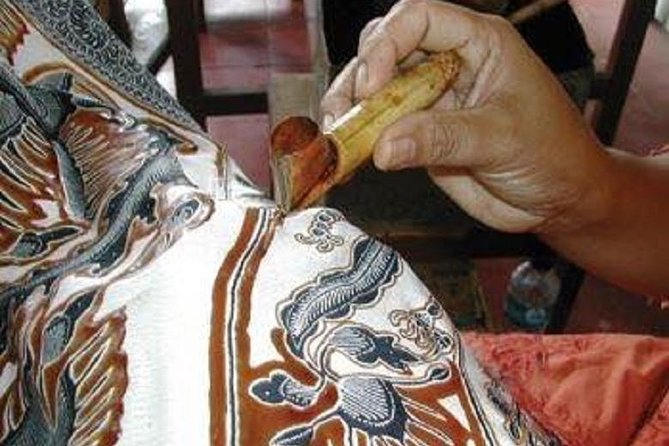
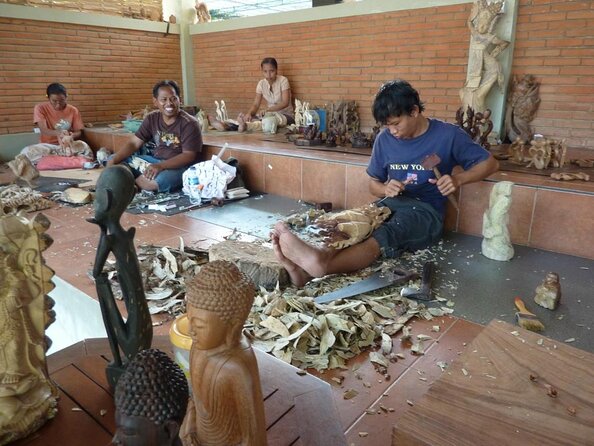
- Two different creative stops at Mas wood carving and Tohpati batik and weaving
- A guide can shape the day, with the standout being Jim Beam and Gusti in the feedback
- You can move at your own pace at each stop, not just follow a rapid slideshow
How a Private Ubud Day Works (Without the Headache)

This is the kind of tour that fits real vacation schedules. You start around 8:30 am and spend about eight hours going from one major sight to the next with private vehicle comfort. If you are staying outside central Ubud, the pickup and drop-off matters because it reduces dead time and gets you to the fun parts faster.
I also like the feel of a private tour here because it is not about getting herded. You are traveling as your own group, and the driver can help you manage timing between stops. The itinerary is structured, but the operator notes you can customize your plan by interest, so you are not trapped in a one-size-fits-all script.
A final practical note. You have enough time to see five or six iconic places, but not enough time to treat each one like a half-day outing. Think of it as a curated highlights day, with some room to slow down at the stops you care about most.
You can also read our reviews of more tours and experiences in Ubud.

Price and Value: $37 Includes Entry Fees, Not Just a Driver
At $37 per person, the smart question is what you actually get for the money. In this case, the tour price is paired with a package style setup: hotel or port pickup and drop-off, private transportation, petrol and parking, mineral water, and entrance fees for all the attractions on the route.
That is the key value. Entrance fees are often where small tours get expensive fast. Here, you can arrive at Tegenungan Waterfall, the Sacred Monkey Forest Sanctuary, a temple stop in Batuan, Tegalalang Rice Terrace, plus the Mas carving and Tohpati villages with admission handled for you.
What is not included is also clear. Food and drinks are on you, and souvenir photos can be purchased separately. Donations are also not included, which is typical for temple-related visits.
In plain terms, if you want a private day that already covers admission and logistics, this is one of the easier value plays in the Ubud area.
Morning Logistics: Pickup, Route Timing, and How to Use the Day
The day is designed around a morning start, typically 8:30 am. That matters because Ubud sights and waterfalls can get crowded later in the day, and early timing gives you better odds of comfortable viewing. If you are coming from a cruise terminal, the same pickup and transport concept applies, so you are not stuck figuring out the ride yourself.
You will likely be working on a simple time rhythm. The itinerary gives each place a set visit window, from about 30 minutes for the art villages to 1 hour for Monkey Forest and Tegenungan. That is enough time to see the main points, shop a little if you want, and take photos without feeling rushed nonstop.
Here is how you can make the timing work for you. Prioritize based on your energy level. If you love animals, spend the full hour at Monkey Forest and go slow inside. If you want waterfall photos and maybe a swim, treat Tegenungan as your main physical stop and bring appropriate footwear.
Also, bring cash for small purchases. The itinerary includes village stops tied to crafts, and that is where you will probably spend most of your money. If you plan to bargain, keep it respectful and quick, then move on to the next stop.
Stop 1: Tegenungan Waterfall, Swim Conditions, and Photo Reality
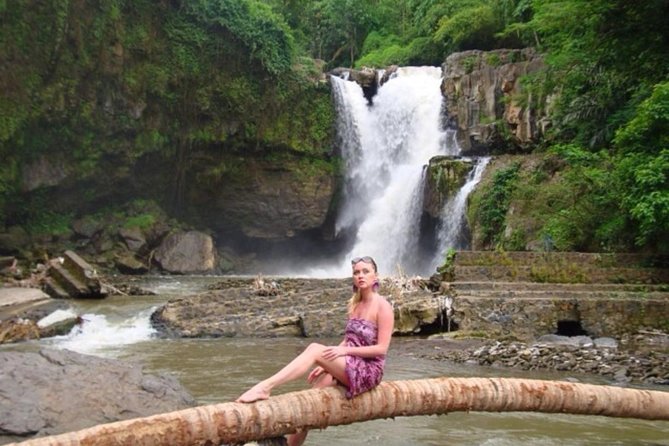
Tegenungan Waterfall is the day’s first big nature hit. The tour notes a waterfall height around 15 to 20 meters, and the area can feel like it sits close to the action, with urban surroundings nearby. If conditions are clear, you can swim. If not, you can still enjoy the falls and the viewing spots.
The real value of starting here is momentum. You begin with something dramatic and physical, then shift into calmer culture stops after. It is also a good place to wake up the camera, because the waterfall gives you that classic moving-water look.
The drawback is weather and water clarity. Waterfall swimming is not guaranteed, it depends on what the conditions are like that day. So I suggest you come prepared, but do not build the day around getting in the water.
Practical advice for this stop. Wear shoes that handle wet ground. Keep your phone protected because the area can get slippery. If you are traveling with kids, treat it as an “observe first, swim if safe” moment and adjust fast.
Stop 2: Sacred Monkey Forest Sanctuary, Hindu Temples, and Etiquette
Next comes the Sacred Monkey Forest Sanctuary, one of Ubud’s most famous experiences. The main appeal is the gray macaques moving through a forest setting alongside Hindu temples. The result is a mix of nature and spiritual atmosphere, and the contrast is what makes it memorable.
The tour provides about 1 hour at this stop, which is a sensible amount of time. It is long enough to wander the paths, see temple details, and get a feel for how the animals behave in the space. It is not so long that you lose track of the rest of the day.
The big thing to consider here is monkey etiquette. You will want to keep belongings secure, avoid sudden movements, and be careful with anything that looks like food. Even if you have seen monkeys before, this forest setting means you are sharing a habitat, so staying calm is the smartest move.
If you want better photo results, plan to spend your time near key viewing points rather than trying to photograph the loudest moment. Monkeys move fast, and the hour goes quickly. Enjoy the overall vibe and let the best shots happen naturally.



Stop 3: Puseh Batuan Temple, the Black Palm Roof, and Architecture Time
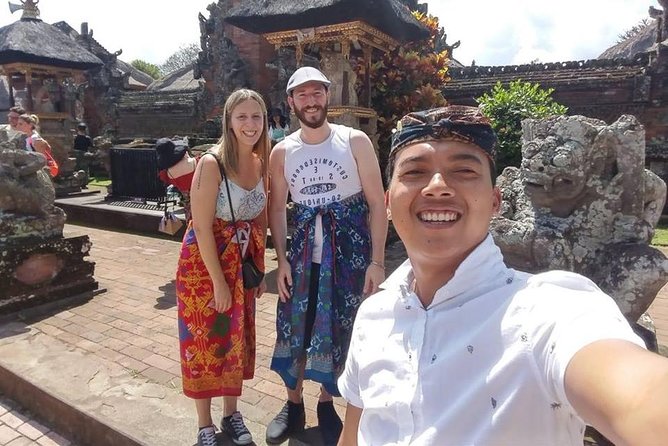
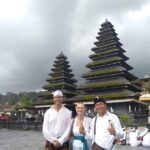
After Monkey Forest, the tour shifts into a temple visit at Puseh Batuan Temple. The standout detail is the black palm roof, described as part of the temple’s beautiful design and architectural character. The stop is about 45 minutes, which is ideal for reading the space without turning it into a lecture.
The value of a Batuan temple stop is how it slows the pace. Instead of animals and big views, you get quiet and details, like roof shapes and temple layout. It is a good change of rhythm after Monkey Forest because it lets you reset and take photos in a calmer setting.
The only real consideration is respect. Even when you are there for photos, you are visiting a working spiritual environment. Keep your tone low, dress appropriately, and follow whatever guidance you get from your driver about what is acceptable for cameras.
If you are the type who loves small architectural details, this stop will feel satisfying. If you only care about big photo moments, you might want to treat it as a shorter, focused stop where you capture the main features and move on.
Stop 4: Tegalalang Rice Terrace, Traditional Irrigation, and Timing
Tegalalang Rice Terrace is the classic Ubud rice fields stop. The tour describes it as a place to see layered rice-level fields, plus traditional farming. If conditions align, you may even see farmers planting paddy, and you can learn about the traditional irrigation system used on the island.
The visit window here is about 45 minutes. That is enough time to take the famous viewpoints and walk a bit, but not enough to do a long trek. For most people, it is the sweet spot: photos, a short walk, and then back to the bus before you feel drained.
The main drawback is that rice terraces can be visually crowded in peak times. If you are sensitive to crowds, aim to be intentional with where you stand, and do not linger at every spot just because it is popular. Pick two or three viewpoints you care about and commit.
Also, keep in mind that the terraces are a working agricultural area. You will see irrigation and farming activity when timing and season match, so do not be surprised if you see more empty terrace paths than farmer action. The terraces still look great even when you catch them in between tasks.
Stops 5 and 6: Mas Carving Center and Tohpati Village for Real Craft Culture
After the rice terraces, the tour moves into art and craft village territory.
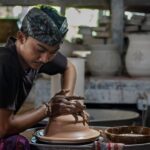
Mas Carving Center is tied to Mas village, described as an artistic countryside known for wood arts. This stop is about 30 minutes, so it is not a long workshop experience. Instead, it is the practical taste-test of the carving tradition: you can see the craft, spot different styles, and decide if you want to buy.
Then comes Tohpati Village, known for handicrafts and handweaving batik. The tour notes you can enjoy the scenery and shop some Balinese textiles. This stop is also about 30 minutes, so it is designed for quick browsing and buying rather than a deep training session.
I like having both villages on the same day because they show different sides of Bali creativity. Mas focuses on wood carving. Tohpati leans into fabric and weaving. Together they give you a more complete picture of the artisan economy around Ubud.
The only consideration is shopping energy. These stops can turn into a bargaining marathon if you let them. Use a simple approach: set a budget, decide what you want before you arrive, and buy only when you genuinely like the piece in your hands.
The Guide Factor: Jim Beam’s Tips and Gusti’s Family-Friendly Pace
The best part of this tour in the feedback is the guide. One name that stands out is Jim Beam, praised for being accommodating and sharing great tips for souvenir purchases and bargaining. People also noted a safe driver and enjoyed the coffee and temple stops as part of the day’s rhythm.
Another guide mentioned is Gusti, described as fun, great with families, and especially good for a day with small kids. He was also credited with showing the best places in town and helping create an itinerary that matched the group’s energy.
Even if you do not get these exact guides, the takeaway matters for your planning. A strong driver and guide do more than steer. They help you avoid wasted time, choose the right moments for photos, and keep the day moving at a comfortable pace.
So if you have special needs, tell them early. If you want more time for temples, ask. If you want to focus on art shopping, mention it. The tour notes customization is possible based on your interests, and that is where you can benefit from a good guide’s local instincts.
Weather, Crowds, and Swim Plans You Can Actually Count On
This tour balances outdoors and culture, so your comfort will depend on weather. Tegenungan Waterfall is the main variable, because swimming depends on clear water conditions. In rain, it can still be scenic, but you may want to plan for viewing more than swimming.
Crowds can also shift during the day. Monkey Forest and Tegalalang are the two stops most likely to bring extra people. The good news is the tour has a defined morning start, and the stop durations help you manage exposure rather than getting stuck waiting around for hours.
What I think is smart is treating the day like a set of short chapters. Each stop gives you enough time to enjoy the core experience without turning the day into one long grind. If you go in with that mindset, you will leave feeling like you saw the highlights.
Bring a small bag with essentials. Use it to keep your items secure during Monkey Forest, and keep it dry enough for waterfall weather. If you are sensitive to heat, plan breaks through the temple and terrace segments where there is more shade and calmer pacing.
Who This Ubud Tour Fits Best (And Who Might Want Another Option)
This tour is a strong match if you want a single-day overview of Ubud’s greatest hits. You get Monkey Forest, a Batuan temple stop, Tegalalang rice terraces, and two craft village experiences, all wrapped into one private day with entrance fees handled.
It is also a good choice for families who want structure. The guide feedback includes praise for handling small kids and keeping the day enjoyable. With a schedule like this, parents often appreciate having a driver handle transport and knowing when you will arrive at each sight.
If you are a super slow traveler who wants long stays, this might feel tight. The itinerary includes multiple stops, and while each one gives enough time to enjoy it, you will not have hours and hours at any single location.
So your best fit is someone who wants variety, values convenience, and prefers to see a lot without planning every turn. If that sounds like you, this tour lines up well with real vacation priorities.
Should You Book It?
I would book this Ubud tour if you want an efficient private day that already covers major entrances and transport. The $37 price feels fair because the tour includes entrance fees, pickup and drop-off, private vehicle use, and mineral water, which removes several annoying “extras” from the day.
I would think twice if you are chasing waterfall swimming as your main goal, because conditions can change. I would also reconsider if you want deep time at one or two places, since the stops are intentionally timed.
If you want a well-rounded Ubud sampler with craft culture added in, this route is a solid plan. Just keep your priorities clear, bring practical footwear, and leave shopping time for the craft villages when you are ready to make a decision.
FAQ
What is the duration of the Ubud Monkey Forest, temple, waterfall, and rice terrace tour?
The tour runs about 8 hours.
Is pickup and drop-off included?
Yes, hotel or port pickup and drop-off are included.
What does the tour price include?
It includes an English-speaking driver, private tour by vehicle, petrol and parking, mineral water, transport by private vehicle, and entrance fees for the attractions on the itinerary.
Are meals included?
No. Food and drinks are not included.
Can you customize the itinerary?
You can contact the tour operator to customize the itinerary based on your interests.
Are kids under a certain age free?
Yes. Kids 3 years and under are free when accompanied by an adult.
More Tours in Ubud
More Tour Reviews in Ubud
Not for you? Here's more nearby things to do in Ubud we have reviewed





Tour Reviews, compared.
 ★ 5.0All-Inclusive Ubud Private TourFrom $10014,344 reviews
 ★ 5.0Best of Ubud Full-Day Tour with Jungle SwingFrom $568,571 reviews
 ★ 5.0Monkey Forest, Jungle Swing, Rice Terrace, and Water TempleFrom $317,160 reviews
 ★ 5.0Best of Ubud 1-Day Private TourFrom $544,451 reviews
 ★ 4.4Bali: Ubud Palace Legong Dance Show TicketFrom $63,979 reviews
 ★ 5.0Uluwatu Sunset, Kecak Dance, and Dinner Jimbaran BeachFrom $353,681 reviews
 ★ 5.0Tanah Lot and North Bali Tour: Scenic JourneyFrom $1003,620 reviews
 ★ 5.0Body Massage Experience in Ubud Traditional SpaFrom $213,506 reviews
Browse the lists this tour appears in