

Tour review · TOUR REVIEWS
Ubud Bike Bali (Experience the real of Bali)
Bali on two wheels feels simpler than you expect. This Ubud Bike Bali outing strings together three nature and food stops around Ubud, with pickup help and a guide who explains what you’re seeing. I like that it mixes Balinese everyday culture (farms and local food) with classic island temple country context, not just photo stops.
Two things I really appreciate: Mr Yogi’s storytelling and the chance to learn how coffee and crops are grown and processed, including Luwak coffee at OKA Agriculture Bali. My one main caution is simple: the experience requires good weather, and you only have about 2 to 3 hours, so it is not a slow, all-day wandering kind of day.
If you want a short, well-paced sampler of Ubud beyond the obvious spots, this is a strong fit. You’ll be moving through plantation-style scenery, hearing how the area works, and finishing with a more relaxed food and water moment at Tampaksiring.
Key highlights worth knowing
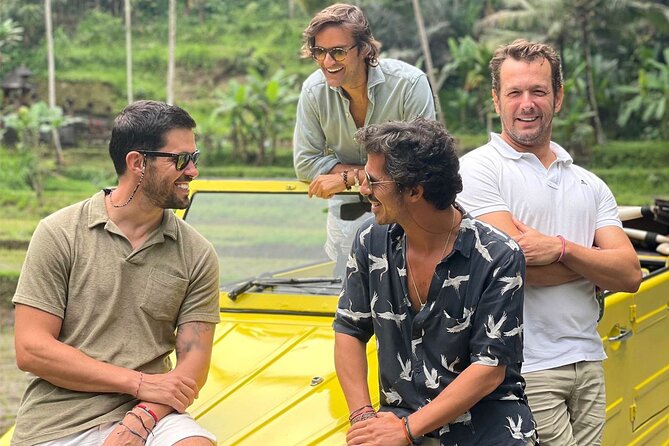
- Mr Yogi’s guide style: friendly, well-groomed, and focused on clear explanations in English
- Free entry at each stop, so your money mostly goes to the experience itself
- Agrotourism focus: crops at Kayuambua Plantation, plus coffee harvesting and processing at OKA Agriculture Bali
- Mount Batur area scenery: learn coffee basics on the slopes of Mount Batur
- Tampaksiring payoff: a chance to swim and dine with a view
Ubud Bike Bali logistics that keep the day easy
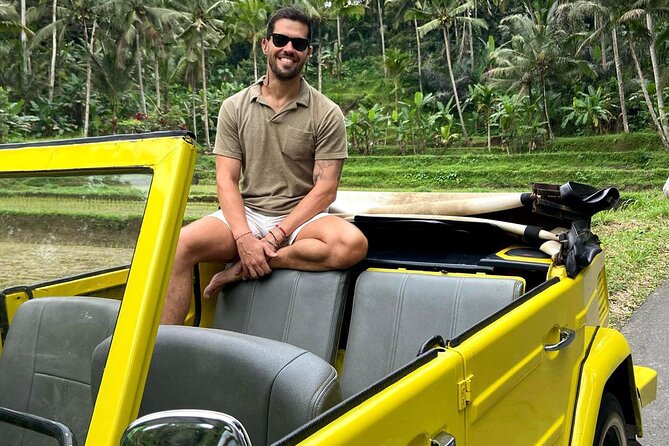
This tour runs from 8:00 am, and it is designed to be low-stress. Pickup is offered, and you get a mobile ticket, which is the kind of detail that saves time and hassle before you’re even rolling.
Because it is listed as a private tour/activity, only your group participates. That matters more than people expect in Bali. With a private setup, you can ask more questions, pause if you need a breather, and keep the pacing comfortable for your crew.
The total time is about 2 to 3 hours. Each stop is roughly an hour, which is a good format for Ubud. You get enough time to look around and ask questions, without spending your entire morning stuck in “we’ll leave in five minutes” limbo.
You can also read our reviews of more cycling tours in Ubud

Mr Yogi, the kind of guide you hope you get
The best part of this experience is the human one. Multiple people described Mr Yogi as local, helpful, and friendly, with explanations that make Bali easier to understand. One review even called out how much story he shares about Bali in general, which is exactly what turns a simple ride into a meaningful mini-education.
I also love the practical angle behind this kind of guiding. When your guide can explain what you’re seeing, you stop treating everything like a backdrop. Suddenly you’re not just taking pictures of farms and buildings, you’re learning what crops are, how processing works, and why certain places feel important to locals.
And yes, English ability came up as a strong point. That means you can actually follow along, ask follow-up questions, and not end up nodding along to vague descriptions.
Pasar Kayuambua and Kayuambua Plantation: crops, coffee, and a gentle start
Your first stop is Pasar Kayuambua, also connected to Kayuambua Plantation. This is an agrotourism style stop, and the vibe is educational without being stiff. It’s a good start because it gives your day a clear theme: this is how food and cash crops grow on the island.
You’ll have about an hour here, which is enough time to walk around, see different crops, and get a feel for how plantation life is organized. The experience notes mention Luwak coffee as something visitors can learn about during the stop, and even if you focus on other crops first, you’re likely to start thinking about how coffee ends up in your cup.
Potential downside? This part can feel a bit “open and wander” depending on what’s happening that morning. If you like structured tours, ask Mr Yogi early what you should watch for. If you’re traveling with kids, this first plantation stop is often a better match than a temple-only agenda because there’s hands-on curiosity built into the environment.
OKA Agriculture Bali on the Mount Batur slopes
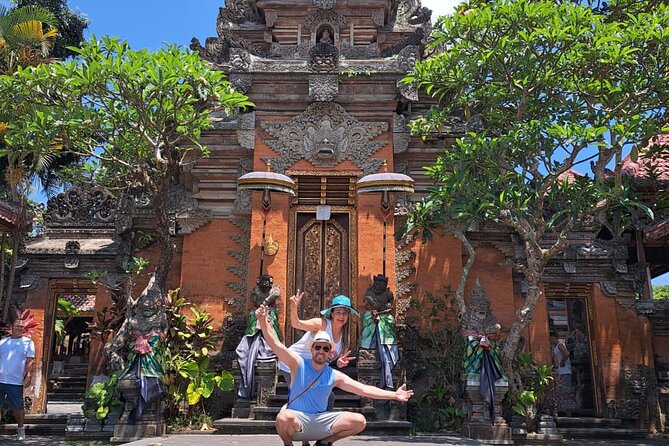
Next up is OKA Agriculture Bali, an Arabica plantation on the slopes of Mount Batur. If you like coffee, this is where your brain starts connecting the dots. You’ll spend about an hour learning about harvesting and processing, with a focus on Luwak coffee.
Why this matters in real travel terms: coffee is one of those topics that sounds simple until you’re standing near the source. At a plantation stop, you get the chance to understand the steps between plant and bean. That turns your next coffee order into a trivia question for your travel buddy.
This stop is also where the scenery makes sense. Ubud is surrounded by countryside, but Mount Batur slopes add a different angle to the day. Even without long hikes, you’ll feel like you’re in real agricultural country, not just a tidy tourist garden.
A small consideration: coffee processing stories can be a lot of information in a short window. If you want the highlights, tell Mr Yogi you’d like the short version first, then go back for details. A good guide will adjust, especially in a private tour format.
Nukad Tampaksiring: swimming and dining with a view
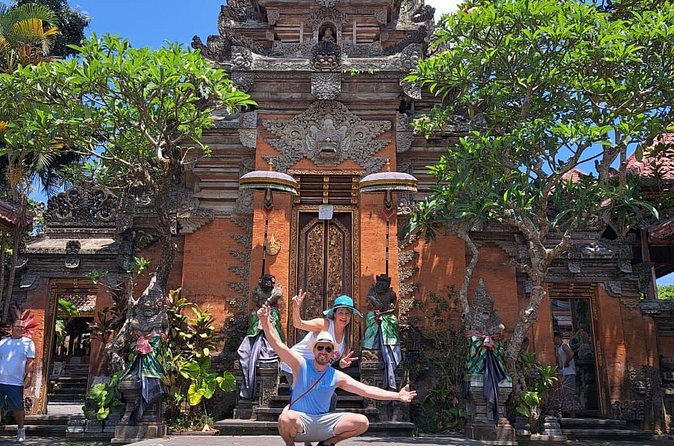
Your third stop is Nukad Tampaksiring. This is where the day gets more relaxed. The experience notes describe it as a weekend getaway vibe, with a key draw: you can swim and dine with a view.
Spending a full hour here changes the tone of the trip. After farms and learning, you get a chance to cool down, reset, and enjoy food without racing. In Ubud, that shift from “look and learn” to “eat and unwind” can make the whole outing feel more like a vacation and less like a checklist.
What to keep in mind: swimming depends on what conditions are like that day. The tour does require good weather, so that helps, but water comfort still varies person to person. If you’re traveling with someone who prefers dry land, you can still enjoy the meal and views.


Balinese context: why farms and temples belong in the same day
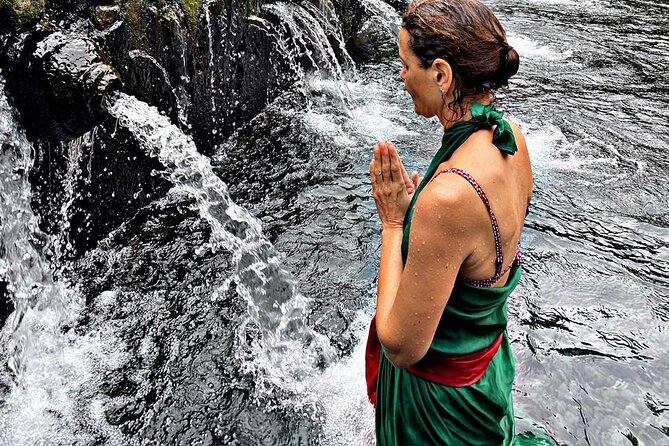
Bali is famous for its Hindu culture and its relationship to landscape and community. The overview you’ll hear referenced often includes the Tri Hita Karana idea, which connects wellbeing through harmony between people, nature, and the spiritual world. And yes, Bali’s nickname, the Island of a Thousand Temples, points to how temples act as cultural and spiritual centers.
So how does this connect to your bike-focused agriculture day? It’s because Bali’s identity is not only in ornate ceremonies and temple gates. It’s also in how people grow food, how they process it, and how daily life supports family and community routines.
A good guide like Mr Yogi helps you connect these dots quickly. You’re not just watching coffee beans become coffee. You’re understanding how the island’s culture uses the same land in different ways, spiritual and practical.
Price check: what $36.47 really means for value
At $36.47 per person for a 2 to 3 hour private outing, this is priced like a mid-range experience that tries to stay practical. The big value clue is that admission is free at the stops listed: Kayuambua Plantation, OKA Agriculture Bali, and Nukad Tampaksiring. That means your money is largely paying for guided time and the transportation between points.
You also get elements that reduce friction:
- Pickup offered
- Mobile ticket
- Private group only (your time stays efficient)
To decide if it’s worth it for you, think about what you want your Ubud morning to do. If you’re happy spending a short block of time learning about coffee and crops, then the price is easy to justify. If you’re expecting a long, deep ride with tons of stops and big-ticket attractions, you might feel the schedule is tight. The duration is the tradeoff.
Personally, I like this kind of pricing logic in Bali. It keeps the experience accessible, and it avoids the “pay for entry fees that add up” feeling.
Timing and pacing: how to make the most of the 2 to 3 hours
The day starts at 8:00 am, and you can expect a practical pace. With around one hour per stop, you’ll likely spend your time like this:
1) look around Kayuambua Plantation and pick up agrotourism basics
2) focus on harvesting and processing at OKA Agriculture Bali
3) finish with a swim and a meal at Nukad Tampaksiring
Here’s the trick for making short tours feel longer: come prepared with curiosity. Pick one question per stop.
- At the plantation, ask what crops are grown and how daily routines work.
- At the coffee stop, ask what happens first during harvesting and what processing changes the final product.
- At Nukad Tampaksiring, ask what locals eat or how the place is used when it’s busy.
And because it is private, you can ask Mr Yogi to adjust the order a bit if needed, within whatever time the tour window allows.
Weather matters more than you think
This experience requires good weather. That’s not just a fine print detail. The tour includes outdoors walking and a swimming option, so poor conditions can change the experience quickly.
If you’re booking during Bali’s rainy window, I’d plan for a little flexibility. And if the tour gets canceled due to poor weather, you’ll be offered a different date or a full refund, which is reassuring.
My practical tip: pack something light for sun and a small layer for rain. In Ubud, conditions can flip faster than your brain can say coat.
Who this Ubud Bike Bali tour suits best
This tour works especially well if you:
- want a short Ubud outing that combines agriculture, coffee education, and food
- like guides who explain culture, not just point out sights
- prefer a private experience with your group
- would enjoy a calm finish at Nukad Tampaksiring, including the chance to swim
It might not be the best fit if you’re looking for a full-day, temple-heavy circuit, or if you want lots of free time to roam without guidance. Also, because it’s weather-dependent, you’ll want to watch conditions.
Should you book this tour?
Book it if you want a 2 to 3 hour Ubud experience that feels genuine and grounded, not rushed, and not only about big-ticket landmarks. The strongest reasons are the combination of free entry at stops, a friendly, story-driven guide named Mr Yogi, and a final setup that lets you cool off and eat without rushing.
Skip it if you’re hoping for a long, exhaustive Ubud ride or you’re traveling during a stretch of shaky weather and don’t want outdoor time on the line.
If your ideal Bali day is simple, guided, and focused on how people actually live and grow food, this one makes a lot of sense.
FAQ
What is the duration of the Ubud Bike Bali experience?
The tour runs for about 2 to 3 hours.
Where is this tour located?
The experience is in Ubud, Indonesia.
How much does it cost per person?
The price is $36.47 per person.
What time does the tour start?
The start time is 8:00 am.
Is pickup included?
Yes, pickup is offered.
Is this a private tour?
Yes. It is a private tour/activity, so only your group participates.
Do I need to print a ticket?
No. You’ll receive a mobile ticket.
Are there admission fees at the stops?
The stops listed in the itinerary show admission ticket free.
What if the weather is poor?
The experience requires good weather. If it is canceled due to poor weather, you will be offered a different date or a full refund.
More Cycling Tours in Ubud
More Tour Reviews in Ubud

Not for you? Here's more nearby things to do in Ubud we have reviewed



Tour Reviews, compared.
 ★ 5.0All-Inclusive Ubud Private TourFrom $10014,344 reviews
 ★ 5.0Best of Ubud Full-Day Tour with Jungle SwingFrom $568,571 reviews
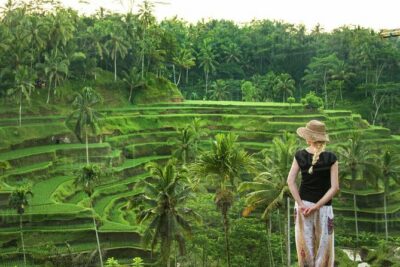 ★ 5.0Monkey Forest, Jungle Swing, Rice Terrace, and Water TempleFrom $317,160 reviews
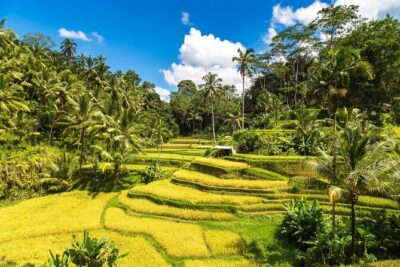 ★ 5.0Best of Ubud 1-Day Private TourFrom $544,451 reviews
 ★ 4.4Bali: Ubud Palace Legong Dance Show TicketFrom $63,979 reviews
 ★ 5.0Uluwatu Sunset, Kecak Dance, and Dinner Jimbaran BeachFrom $353,681 reviews
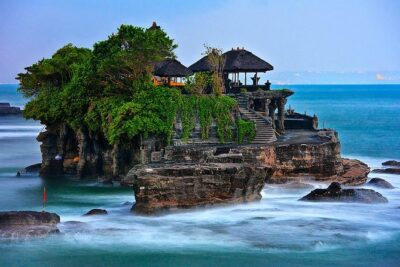 ★ 5.0Tanah Lot and North Bali Tour: Scenic JourneyFrom $1003,620 reviews
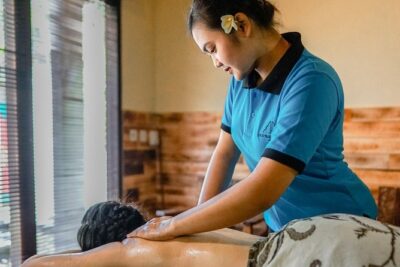 ★ 5.0Body Massage Experience in Ubud Traditional SpaFrom $213,506 reviews
Browse the lists this tour appears in