
Tour review · TOUR REVIEWS
Ubud Arts & Crafts Tour
Three villages, one craft obsession. This half-day Ubud route is a smart way to see how Bali’s art gets made, not just sold, with Celuk metalwork, Mas woodcarving, and Ubud galleries all in one morning.
I especially like the hands-on feeling you get when you watch artisans at work. You’re not just walking past displays, you’re seeing jewelry and carving techniques up close, with a guide to explain what makes the style distinctly Balinese.
One heads-up: the tour steers you toward higher-end shops, so prices can be higher than what you might find a bit farther away. Come with a plan to compare, and you’ll have a much better time.
Key things to know before you go
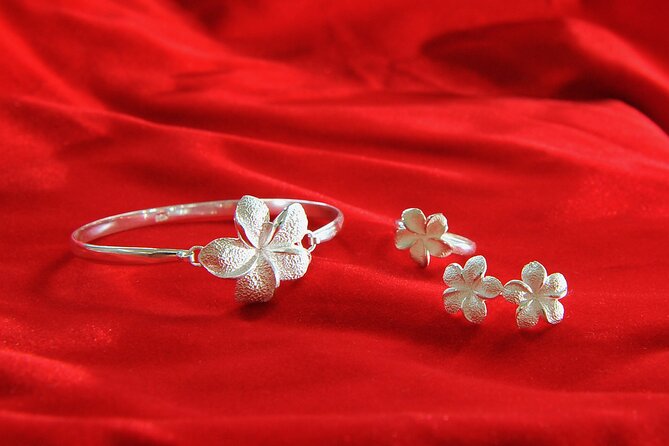
- Celuk’s gold and silver workshops: see jewelry made in small artisan spaces, not showroom-only stalls
- Mas Village woodcarving culture: hand-chiseling traditions and naturalistic forms, plus masks used for dance rituals
- Ubud art scene in one stop: traditional and contemporary painting under one guided visit
- Tight 4-hour format: three hour-long stops that fit easily into a Bali schedule
- Small group size: capped at 15 travelers, so questions do not feel lost in the shuffle
- Pickup included from key coastal areas: Kuta, Seminyak, Sanur, Jimbaran, and Nusa Dua pickup zones
Why Celuk, Mas, and Ubud work so well together
This tour is built like a craft timeline. You start where the metal is shaped, then move to where wood is carved into stories, and finish in Ubud where art turns more gallery-style and painter-focused. That flow helps you understand the bigger picture of Balinese art: it is practical work, religious symbolism, and skilled design all mixed together.
You also get a break from the usual beach-and-temple rhythm. Instead of only chasing photo stops, you’re looking at process. That’s the difference between seeing art and understanding it. With a guide in your ear, you pick up what to notice as you move through workshops and shops.
And because it is only about 4 hours, it fits well even if you plan to do something else later in the day. It is the kind of tour that can turn an ordinary morning in Bali into something more memorable, without eating your whole trip.
You can also read our reviews of more tours and experiences in Ubud.



Price and logistics: how a $50 half-day actually feels
The price is listed at $50.00 per person, and it is set up for a guided group visit with hotel pickup and drop-off included. For many people, that is the real value, because getting around Bali’s traffic without a plan can eat time fast.
You’ll want to time it right. It starts at 8:30 am, and the whole thing runs about 4 hours. Stops are scheduled for about 1 hour each in Celuk, Mas, and Ubud, with travel time connecting the dots. This structure keeps the day from dragging, but it also means you cannot slow down too much for browsing. If you love shopping, treat this tour as “see first, decide later.”
Group size is capped at 15 travelers, which is a plus. You tend to get better back-and-forth with the guide, and it is easier to hear explanations in workshop spaces where sounds can bounce around.
You’ll also receive a mobile ticket, which is convenient if you are already juggling other reservations. If you are on a cruise, there may be additional charges, so it is worth checking that ahead of time.
One more practical point: food and drinks are not included. That means you should plan to eat after, or bring snacks if your mornings run long. In a tour like this, people often remember the final meal more than they expect, but you still need to budget for it yourself.
Celuk Village gold and silver workshops: what you’re really paying attention to
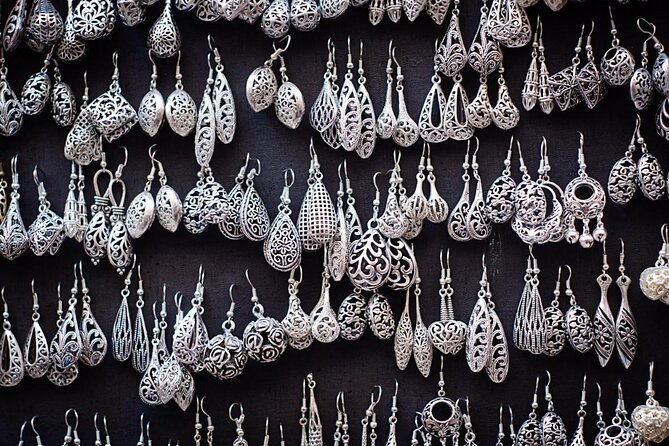
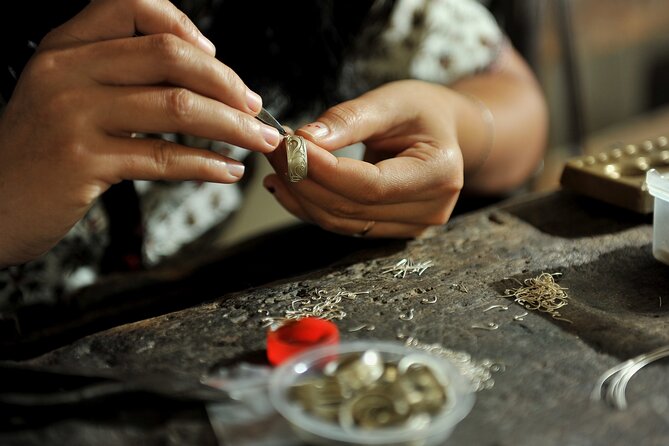
Celuk is the “metal” stop, and it is famous for gold and silver work. During the first hour, you’ll get guided access to the workshops and galleries where artisans design and create jewelry. The big value here is watching skilled work happening in real spaces, not just checking prices behind glass.
With your guide, you’ll learn about the process and what goes into the designs. Even if you are not planning to buy, this part helps you see why certain pieces look refined and others look mass-produced. You’ll notice details like how shapes are formed, how settings are planned, and how design themes repeat across pieces.
Why I like this stop: it gives you context before you start shopping in Ubud. When you’ve seen the labor involved in jewelry, it becomes easier to spot what feels genuinely handmade versus what looks like generic craft. It also sets expectations for pricing, so you do not feel like you’re being shocked later.
What could slow you down: jewelry is visually tempting. It can be hard to keep your eyes open for explanations when you’re surrounded by rings, brooches, and intricate pieces. If you want to make this hour count, pick one category to focus on, like rings or earrings, and only compare across styles. That keeps you from getting lost in the sheer number of items.
Mas Village woodcarving center: masks, myth, and hand skill
Next is Mas, where woodcarving is the main event. This stop is about the craft of turning raw material into art with cultural meaning. You’ll get a guided look at the carving style for which Mas is known, including naturalistic forms and characters tied to Hindu mythology.
A standout detail here is the chance to meet local woodcarvers who still chisel by hand. You’ll see how much time and patience this takes, and it changes the way you view the final product. A mask is not just decoration. In Balinese ritual life, it connects to dance performances and ceremonies, so understanding the purpose helps you appreciate why certain faces and expressions matter.
You’ll also hear some background on the history of woodcarving on the island. The goal is not to turn you into a woodcarving expert. It is to help you read the carvings as part of Bali’s living culture rather than souvenirs stacked for tourists.
What to consider: woodcarving centers can be more visually busy than workshop jewelry spaces. There may be lots of examples, and each piece can pull your attention. If you’re buying, slow down and compare the craftsmanship you can actually assess in person, like the smoothness of edges, the clarity of facial features in masks, and how consistent the finish looks across the surface.
And if you’re not buying, use the time to ask questions about materials and carving methods. Even basic answers from artisans give you a deeper appreciation when you later walk through Ubud art shops.
Ubud Art Market: traditional and contemporary, with guided context
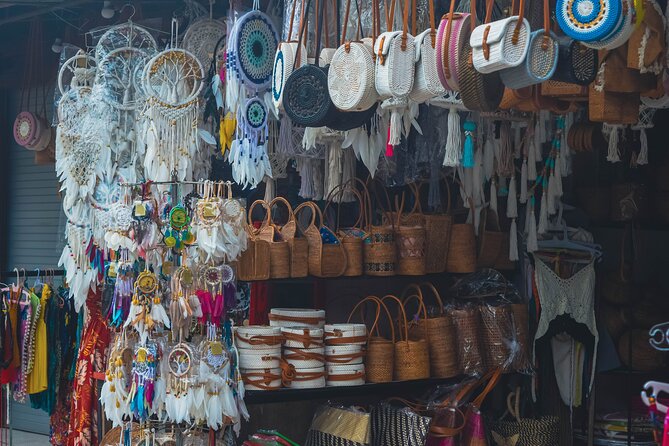
You finish in Ubud, Bali’s art and culture center. This is where the tour shifts from craft-making to art collecting and gallery browsing. You’ll explore a high-quality shop or gallery space with your guide, and you’ll see paintings spanning traditional styles and contemporary works.
This stop helps you connect the dots. After seeing how metal and wood carry cultural forms and symbolism, you can spot similar themes in painting. You might notice how myth, daily life, and Balinese aesthetics show up across mediums.
One practical reason this finish works: by the time you reach Ubud, you know what you’re looking for. You’ve already learned how to judge craftsmanship in workshops, so you’re better equipped to evaluate what feels special in a painting or a framed set of artwork.
Now for the part that needs your attention. The tour includes higher-quality shops, and that can mean better presentation and more guidance. But it can also mean higher pricing. One smart approach is to treat Ubud as your “educated browsing” phase. Look for pieces you genuinely love, get a sense of what fair pricing feels like in this shop, then compare.
If you feel tempted to buy quickly, pause. You’ll likely find that your best deal comes when you compare across places rather than making one impulse purchase.




Shopping smart: getting good deals when the tour points you to nicer stores
Let’s talk money strategy, because this is the part that can make or break the experience.
The tour can bring you to top-end shopping stops. That is not automatically bad. Better shops often have better documentation, a more curated selection, and staff who can explain what you’re looking at. But it does mean you should expect room for negotiation or at least price comparisons.
Here’s how I’d handle it:
- Decide your budget first, even if you’re unsure what you want. Craft purchases in Bali can range from small gifts to meaningful, high-ticket items.
- Compare small items before big ones. If you find a woodcarved mask at one place, use that to test how prices vary. Then when you see jewelry or a larger painting, your judgment is sharper.
- Ask what makes it different, not just what it costs. A guide can help you understand style markers, materials, and craftsmanship, and that knowledge is how you avoid paying for marketing.
Also, if you’re mainly after souvenirs under $25, you might not want to shop only inside higher-end galleries. You can still enjoy the art and culture portion of the tour, then do your budget buying elsewhere later.
If you’re buying real value items, like a piece of silver jewelry or a significant carving, take your time. The entire point of the Celuk and Mas stops is to give you a grounding in craftsmanship, so use it. That way, shopping feels like an informed choice, not a sales sprint.
Timing tips: how to make the most of your 8:30 am start
An 8:30 am start is helpful because it gets you out early, before your day turns into a series of heat breaks and traffic jams. It also means you’ll be done before late afternoon, which gives you options for beaches, temples, or just plain wandering.
Because the tour is about 4 hours, plan your personal schedule tightly. Keep your next stop flexible but close, so you do not end up sprinting. If you want to do something active after, give yourself at least a little recovery time. Workshop visits involve standing, walking, and looking closely, which can tire you more than you expect.
Bring sunglasses and water. Even though food and drinks are not included, you’ll still be in the open and moving between different areas. If you buy items, you may also need time after for packing or carrying them, so factor that in when you plan your next activity.
One more timing thought: this tour is often booked around 6 days in advance, which suggests people plan it as part of an Ubud-focused itinerary. If you want specific pickup times or you’re traveling in a busier season, booking earlier is a safe move.
Who should book this Ubud arts and crafts tour

This tour is a great fit if you want a guided, structured way to see Bali’s craft culture without doing a DIY driving day.
I’d especially recommend it if:
- You like learning while you’re walking around, not just taking photos
- You’re curious about how jewelry and carvings are made
- You want a half-day plan that won’t derail your whole schedule
- You enjoy browsing art shops with explanations, especially for painting
It might be less ideal if:
- You are allergic to shopping pressure and would rather skip craft stops entirely
- You only want “famous sites” with huge landscapes and long photo viewpoints
- You don’t want to spend an hour at a time in one focused specialty
The good news is that even if you buy nothing, the craftsmanship viewing is still the point. Celuk and Mas are the strongest memories here, and Ubud is the natural wrap-up.
Should you book it?
If you’re deciding, I’d say yes, as long as you go in with the right expectations. For $50, with pickup, drop-off, and workshop visits that focus on the making process, this is a practical way to experience Bali’s art world beyond temples and beaches.
Skip it only if you’re mainly chasing bargain shopping or you strongly prefer to avoid higher-end galleries. But if you want a guided path through Celuk metalwork, Mas woodcarving, and Ubud painting, this tour gives you a lot of craft context in a short morning.
FAQ
What is the price of the Ubud Arts & Crafts Tour?
It costs $50.00 per person.
How long is the tour?
The tour runs about 4 hours.
Where does the tour pick up, and is hotel pickup included?
Pickup and drop-off are included from major hotels in Kuta, Seminyak, Sanur, Jimbaran, and the Nusa Dua area.
What time does the tour start?
The start time is 8:30 am.
What are the main stops on the tour?
You visit Celuk Village, Mas Carving Center in Mas Village, and an art stop in Ubud.
Are admission tickets included?
Yes. Admission tickets are included for Celuk Village, Mas Carving Center, and the Ubud art stop.
Is food and drinks included?
No. Food and drinks are not included.
What is the group size limit?
The maximum group size is 15 travelers.
Is a mobile ticket provided?
Yes, the tour includes a mobile ticket.
What is the cancellation policy?
You can cancel for a full refund up to 24 hours before the experience starts. If you cancel less than 24 hours before, you will not get a refund.
More Tours in Ubud

More Tour Reviews in Ubud
Not for you? Here's more nearby things to do in Ubud we have reviewed







Tour Reviews, compared.
 ★ 5.0All-Inclusive Ubud Private TourFrom $10014,344 reviews
 ★ 5.0Best of Ubud Full-Day Tour with Jungle SwingFrom $568,571 reviews
 ★ 5.0Monkey Forest, Jungle Swing, Rice Terrace, and Water TempleFrom $317,160 reviews
 ★ 5.0Best of Ubud 1-Day Private TourFrom $544,451 reviews
 ★ 4.4Bali: Ubud Palace Legong Dance Show TicketFrom $63,979 reviews
 ★ 5.0Uluwatu Sunset, Kecak Dance, and Dinner Jimbaran BeachFrom $353,681 reviews
 ★ 5.0Tanah Lot and North Bali Tour: Scenic JourneyFrom $1003,620 reviews
 ★ 5.0Body Massage Experience in Ubud Traditional SpaFrom $213,506 reviews