
Tour review · TOUR REVIEWS
Transforming Plastic Waste A Hands On Recycling Experience
Plastic turns into something useful fast.
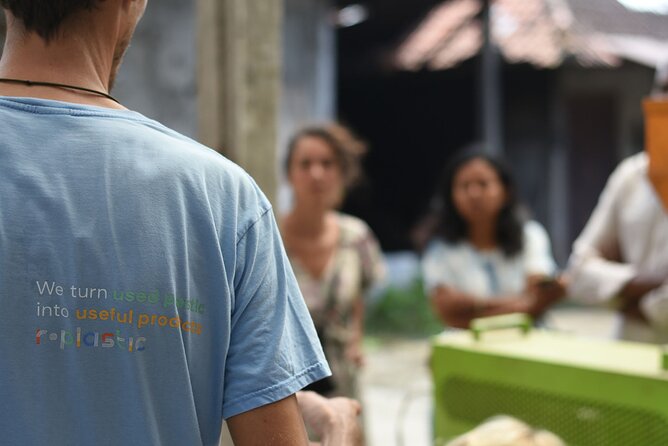
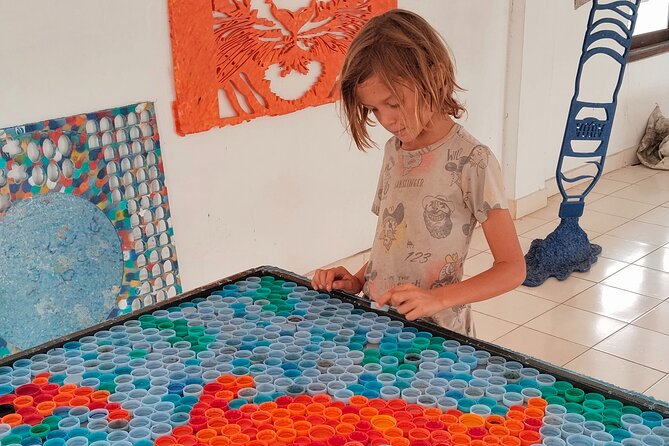
In Ubud, Bali, this is a working recycling studio where you see plastic waste get transformed into real products, not just talked about. You’ll sort bottle caps, make your own recycled artwork, and watch machines at work, including a CNC setup that cuts plastic into items.
I especially love two parts: you get your hands in the process, not just stand and watch, and you finish with a tangible souvenir, a handmade recycled plastic keychain from Bali waste. Martijn Huizing and the team run the shop with serious practical energy, and it shows in how the activities are set up.
One consideration: this is a workshop, not a full day of sightseeing, and there’s no lunch or food provided. If you get hungry easily, plan your meal timing around the 1 hour 30 minutes.
Key Highlights
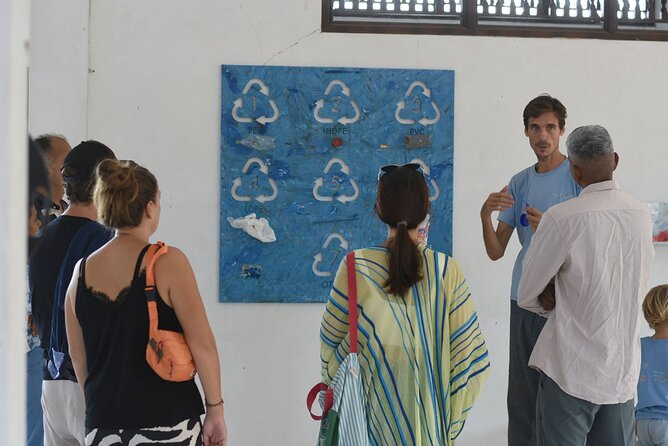
- Hands-on sorting of bottle caps by color and type, so you learn by doing
- Create recycled artwork, with your own design-making time
- CNC machine demo showing plastic cut into products like surfboard racks and furniture
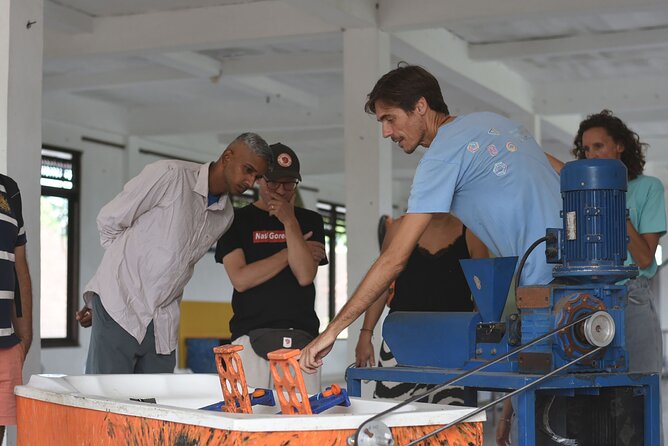
- Self-built recycling machines and a behind-the-scenes look at small-scale methods
- Take home a handmade keychain made from recycled plastic
Entering r•Plastic in Bali, Not a Typical Sightseeing Stop
This isn’t the usual Bali “see a view, take a photo, move on” loop. You’re stepping into a real studio where plastic waste is treated like a raw material. That means the vibe is practical. It’s about process, not performance.
What I like is that you’re not just learning abstract recycling facts. You’re watching machines do the work, then doing part of it yourself. You also get the bigger picture, including Bali’s waste challenges and how recycling efforts can still matter even when the system is complicated.
If you want a tour that feels like a hands-on workshop with a purpose, this fits. If you’re looking for temples, beaches, and long scenic stops, you’ll probably find this shorter and more focused on making, not wandering.
You can also read our reviews of more tours and experiences in Ubud.


1.5 Hours of Recycling Workflow: Sorting, Art, and Machines
The whole experience runs about 1 hour 30 minutes, so you get a full cycle without it dragging. The format is structured, but it still feels human. You start with an intro, then move into studio tour and machine demos, and then the hands-on part.
Here’s the practical flow you should expect:
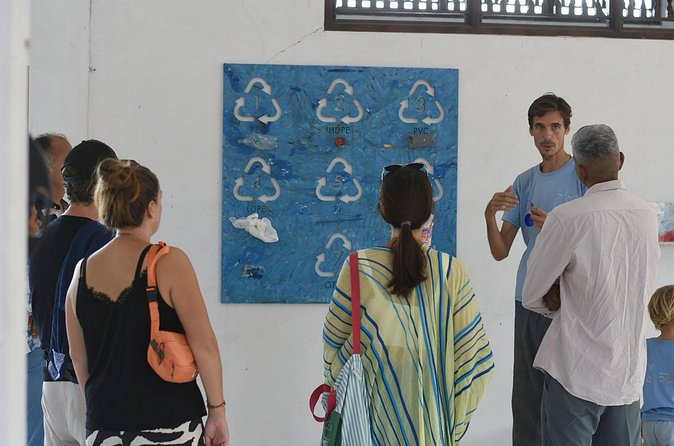
- Welcome and a plain-language talk about Bali’s plastic problem and why recycling matters
- Learning about plastic types and the specific recycling challenges they create
- A studio tour plus machine demos, including self-built equipment
- Hands-on activities: sorting bottle caps and making recycled artwork
- A CNC machine demo showing plastic being cut into useful products
- Time for Q and a, plus your souvenir keychain
Because it’s a compact timeframe, it works well if you’re juggling a packed itinerary. It also helps you leave with a clear sense of how each step connects, from sorting to finished goods.
Plastic Sorting 101: Bottle Caps by Color and Type
One of the best moments is when you start sorting. You’ll separate plastic bottle caps by color and type. It sounds simple, but it’s the kind of step that makes or breaks the next stages.
That’s the point. Recycling is not one single action. It’s a chain of decisions. Sorting matters because different plastics behave differently, and mixing the wrong types can reduce quality or complicate what the machines can do.
I also like that the experience gives you context, not just instructions. You learn why plastic types are treated differently in recycling, and that helps you understand why you can’t just toss everything into one bin and call it done.
If you’re the type who enjoys details, this part will feel satisfying. If you just want the big picture, sorting still works as your hands-on way to grasp the problem fast.
Turn Scrap into Artwork: Your Own Recycled Plastic Creation
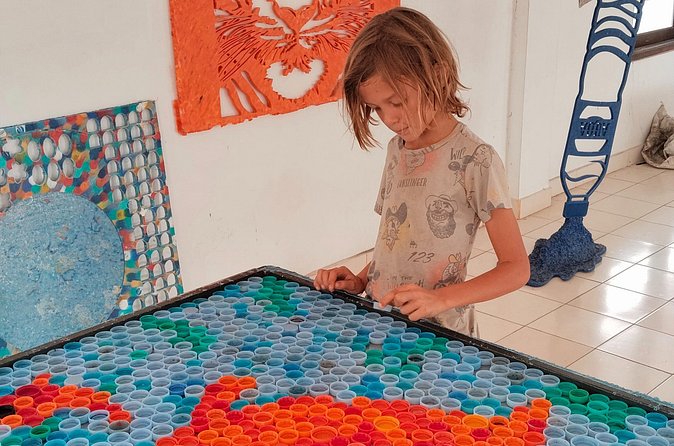
After sorting, you create something from recycled plastic. This is where the experience shifts from “waste education” to creativity you can take seriously. You’ll make your own recycled artwork, and that creative angle helps the learning stick.
In a similar workshop context, Martijn Huizing’s team has worked with school groups where kids learn about different plastic types through hands-on sorting and building activities. That style matters here because it avoids lecturing. Instead, you learn by building a small result you can actually see and hold.
One useful detail: you’re not just watching someone else create. The activity is set up so your design choices matter. If you like practical art, this is more fun than you’d expect for a recycling studio.
Just note the tone. It’s not a high-end craft class with fancy materials. It’s a working recycling environment where your goal is to understand how scrap becomes something new.
The CNC Machine Demo That Shows Plastic Can Be a Material
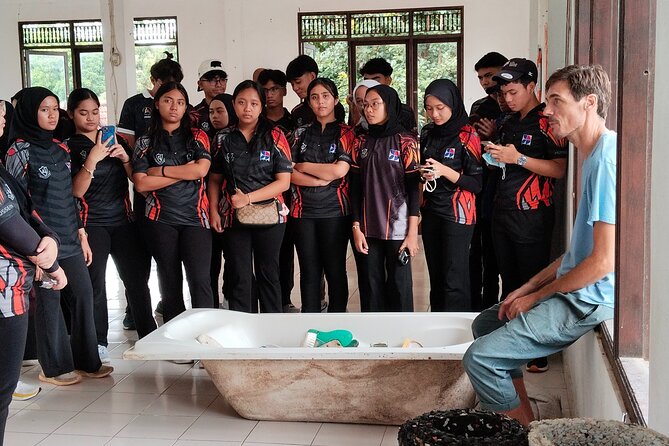
Then you get the machine moment. You’ll watch the CNC setup cutting plastic into products, including items like surfboard racks and furniture. This is one of the clearest “wait, really?” points in the whole experience.
CNC cutting turns plastic into a predictable material again. Instead of treating plastic as something to get rid of, the studio treats it as feedstock with the right shape and specs. That’s a big mindset shift, and it’s the kind of takeaway you can apply when you think about recycling beyond the feel-good level.
Watching the process also makes the earlier sorting step feel more logical. When you understand the machines depend on the right inputs, you stop seeing recycling as magic and start seeing it as engineering plus responsibility.
If you’re into tools or making things, you’ll likely enjoy this section the most. Even if you are not, it’s still the “how does this become real?” proof point.





Bali’s Waste Reality and Why Decentralized Recycling Matters
You’ll learn about Bali’s plastic problem and the recycling effort behind it. The workshop focuses on the reality that waste management has real constraints, and recycling isn’t automatically simple or perfect.
What makes the explanation effective is that it connects the island context to the studio process. You hear why plastic types matter, why sorting takes time, and why decentralized approaches can be practical in real life.
I also like that the studio’s messaging seems built around product design and sustainability in the real world, not just guilt. You get a sense that the work is trying to reduce waste and turn it into useful outputs, which is a more concrete goal than vague recycling promises.
If you’re curious about sustainability but tired of speeches, this is a better format. You’ll leave with both the problem and a workable path, even if it’s not a full system fix by itself.
Your Take-Home Keychain, Handmade from Recycled Plastic
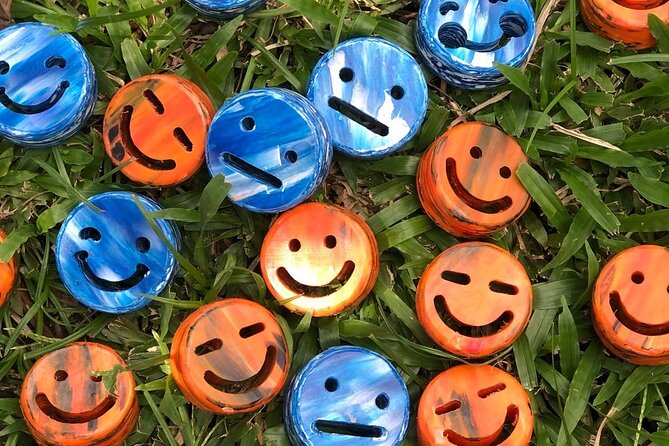
The souvenir is not an afterthought. You’ll take home a handmade keychain made from Bali’s recycled plastic.
That matters because it’s proof of the whole chain. You do sorting, you do creative work, you see machines transform plastic, and then you leave with something that is visibly from that process. It’s the kind of keepsake that reminds you of the steps, not just the story.
Also, it’s small enough to fit into a travel day without stress. No heavy shopping bags, no fragile glass. Just a durable reminder that recycling can produce real items.
If you’re traveling with friends, this is a great “show and tell” piece later. It sparks questions and helps you explain what you learned in a simple way.
Price and Value in Ubud: What $15.06 Gets You
At $15.06 per person, the value is strong for two reasons.
First, you’re paying for a guided, hands-on process that includes education plus machine demos. A typical sightseeing tour at a similar price often gives you a short look and a transfer. Here, you get active roles: sorting caps and making artwork.
Second, you’re paying for a real souvenir that’s made from the recycled materials you learned about. That’s not a free keychain throw-in. It’s a crafted product tied to the workshop outcome.
The experience also caps at 20 travelers, so you should expect a less crowded feel. A smaller group matters because hands-on steps work better when people can actually participate without waiting forever.
My practical take: this isn’t “cheap because it’s small.” It’s good value because it packs meaningful steps into 90 minutes, and it ends with something you can hold.
Logistics That Matter: Where to Meet, Group Size, and Water
Meeting point is at F73J+CFR, Jl. Ir. Sutami, Kemenuh, Kec. Sukawati, Kabupaten Gianyar, Bali 80582, Indonesia. The activity ends back at the meeting point, so you’re not stuck on an unknown return plan.
The group size limit is maximum 20 travelers. That’s a sweet spot for a workshop, where people need space to sort and create without feeling rushed.
Water is included, but with a twist: you can top-up your own bottle for free. Bottled water isn’t available, because the studio avoids single-use plastic. So yes, bring a reusable bottle if you have one.
Also, service animals are allowed, and most travelers can participate. Weather matters too, since it requires good conditions to run.
Who Should Book This Workshop (Families, DIY Types, and Eco Curiosities)
This experience is a good fit if you want Bali with a purpose. It’s especially well-suited to:
- Families with kids who like active learning and making things
- People who care about the “how” behind recycling
- Anyone curious about plastics beyond the usual recycling bin conversation
- DIY-minded travelers who enjoy tools and real production steps
It’s also a smart choice if your Bali trip includes other tours focused on culture and scenery, but you want one day that is practical and hands-on. It rounds out the trip by showing a side of Bali that many visitors never see.
Who might skip it? If you’re only here for classic highlights and big scenery time, the studio workshop will feel like a different kind of day. It’s compact, hands-on, and inside a working environment.
Should You Book r•Plastic? My Honest Recommendation
Yes, I think you should book it if you want an educational experience that actually feels like participation. The biggest strength is that you go beyond theory: you sort, you create, you watch machines, and you leave with a recycled plastic keychain.
The format is short at about 1 hour 30 minutes, which makes it easy to slot into a busy itinerary. The price is reasonable for what you do and what you take home, and the small group size helps the experience feel more direct.
Just go in with the right expectations. This is a workshop focused on plastic waste transformation, not a relaxing sightseeing stroll. If that matches your style, you’ll likely enjoy it a lot.
FAQ
What does the r•Plastic recycling experience include?
You’ll take part in a hands-on plastic recycling workshop. The experience includes a welcome and introduction, learning about plastics and recycling challenges, a studio tour and machine demos, hands-on sorting of bottle caps, creating your own recycled artwork, a CNC machine demo, time for Q and a, and a take-home handmade keychain. Bottled water is included as a free top-up option.
How long is the experience?
The duration is about 1 hour 30 minutes.
How much does it cost?
The price is $15.06 per person.
Is there food or lunch included?
No. There is no lunch or food available. You can top-up your water bottle for free, but drinks beyond that are not listed.
Where is the meeting point?
The start location is F73J+CFR, Jl. Ir. Sutami, Kemenuh, Kec. Sukawati, Kabupaten Gianyar, Bali 80582, Indonesia. The activity ends back at the meeting point.
How big is the group?
The experience has a maximum of 20 travelers.
Do I need to bring a water bottle?
Water is included as free top-ups, and bottled water is not available. Bringing your own bottle is the practical way to take advantage of the included water.
Is the experience suitable for most travelers?
The information says most travelers can participate.
Are service animals allowed?
Yes, service animals are allowed.
What if the weather is bad?
The experience requires good weather. If it’s canceled due to poor weather, you’ll be offered a different date or a full refund. Free cancellation is also available if you cancel at least 24 hours in advance for a full refund.
More Tour Reviews in Ubud
Not for you? Here's more nearby things to do in Ubud we have reviewed











Tour Reviews, compared.
 ★ 5.0All-Inclusive Ubud Private TourFrom $10014,344 reviews
 ★ 5.0Best of Ubud Full-Day Tour with Jungle SwingFrom $568,571 reviews
 ★ 5.0Monkey Forest, Jungle Swing, Rice Terrace, and Water TempleFrom $317,160 reviews
 ★ 5.0Best of Ubud 1-Day Private TourFrom $544,451 reviews
 ★ 4.4Bali: Ubud Palace Legong Dance Show TicketFrom $63,979 reviews
 ★ 5.0Uluwatu Sunset, Kecak Dance, and Dinner Jimbaran BeachFrom $353,681 reviews
 ★ 5.0Tanah Lot and North Bali Tour: Scenic JourneyFrom $1003,620 reviews
 ★ 5.0Body Massage Experience in Ubud Traditional SpaFrom $213,506 reviews