
Tour review · TOUR REVIEWS
Private Bali Custom Tour – Full Day with English-Speaking Driver
Fast, flexible, and worth planning around. This private Bali day lets you move through Ubud at your own pace with an English-speaking driver and an air-conditioned car, then swap stops based on your mood. I like that the route is built for smart spacing, usually lining up 2 to 4 destinations in a single day depending on traffic.
Two big wins: you get hotel pickup and drop-off, plus help with practical stuff like parking and tickets where needed. Also, the day is designed to be adjustable, so you can mix rice terraces, sacred water temples, and waterfall time without feeling locked into a rigid bus schedule.
One consideration: entrance fees are not included, and your driver cannot guide inside temples (you’ll need the licensed guides on-site). So you should budget extra cash and plan for short waits at popular spots.
Key highlights before you pick your stops
- Private, air-conditioned comfort with bottled water included for a long day.
- English-speaking driver who helps with timing, tickets, and parking.
- Custom itinerary with room for 2 to 4 stops, not a rushed checklist.
- Temple access rules: the driver can help, but licensed temple guides handle inside explanations.
- Waterfall and water-temple prep: bring a change of clothes and expect to get wet.
- Cash matters: many places prefer cash for payments.
The real value of a private Ubud day with an English driver
Bali is amazing, but it can be chaotic when you’re doing it on your own. This is where a private setup earns its keep. You’re not spending your day negotiating rides, guessing directions, or timing buses. Instead, you’re in a private car with pickup from your hotel and a driver whose job is to keep the day moving smoothly.
The best part for most people is the tone of the day. A private driver is practical. They’ll help you line up entry steps, figure out where to park, and keep you on schedule. That matters a lot in Ubud because traffic and short detours can turn a “full day” into a “why are we still in the car?” day.
Another win is the ability to customize. If you want to focus on water temples and waterfalls, you can. If you prefer villages, gates, and ocean views, you can tilt the day that way too. For a trip where you only have one full day in the region, this kind of flexibility is usually the difference between a good day and a memorable one.
You can also read our reviews of more private tours in Ubud



How to build an itinerary that works in 8 to 10 hours
This is scheduled as an 8 to 10 hour day. That range is important because Bali timing is not always “clockwork.” Depending on distances and traffic, you typically fit 2 to 4 destinations. The stops you choose are listed as options, each with about 25 minutes of time per stop listed in the plan, so you’ll want to treat that as a baseline.
Here’s a smart way to plan your choices:
- Pick one “anchor” stop that you want to spend more time in, like a major temple or a big viewpoint.
- Add one nature stop nearby in the same general area, like a waterfall or rice terrace.
- If you include a beach, keep your expectations realistic about travel time and parking.
Also, plan for the day to have “wet time.” Water temples and waterfalls are part of the menu, and the tour data explicitly suggests bringing a change of clothes. If you skip that, your day can turn into a dry shoes problem instead of a water-and-views day.
Rice terraces and ritual water stops near Ubud
If this is your first Bali visit, start your day with places that feel distinctly Balinese: farming, water worship, and stonework.
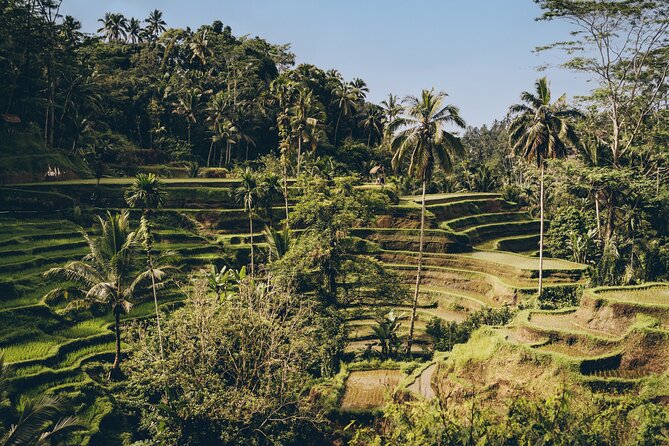
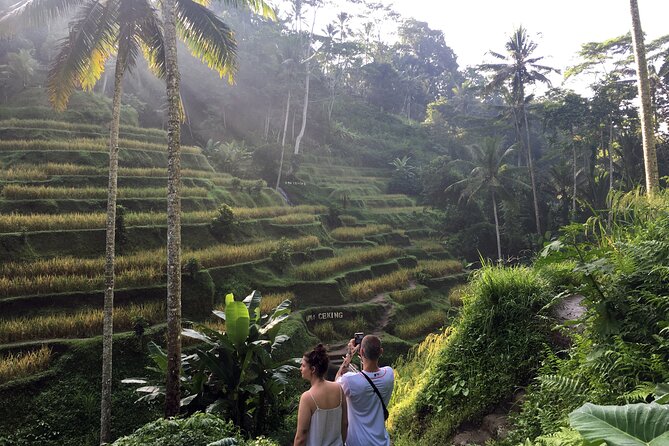
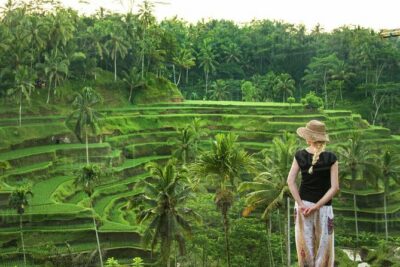
Tegalalang Rice Terrace
Tegalalang is one of those places where you instantly understand why stepped rice fields are a big deal here. You’ll see terraced farming on a grand scale and get classic views over the green layers. Expect this to be photo-heavy. It’s also a good warm-up stop because the pace is easy: walk paths, lookouts, and time to enjoy the scenery.
Why it’s worth it: it gives you an easy cultural entry point before the day gets more active with caves and waterfalls.
Possible drawback: it can get busy and it’s not a “sit and relax” stop. If you hate crowds, pair it with a quieter alternative from your custom options.
Gunung Kawi Sebatu Temple
This one is different in tone. It’s described as a serene water temple set among gardens and sacred ponds. So instead of “big spectacle,” you get a calmer atmosphere for a spiritual break.
Why it’s worth it: it’s a nice contrast to the bright open-air terrace views.
Possible drawback: you’ll want to keep expectations modest on how much time you’ll get. The tour format gives a short stop, so focus on the setting rather than trying to do everything.
A few more Ubud tours and experiences worth a look



Tirta Empul Temple
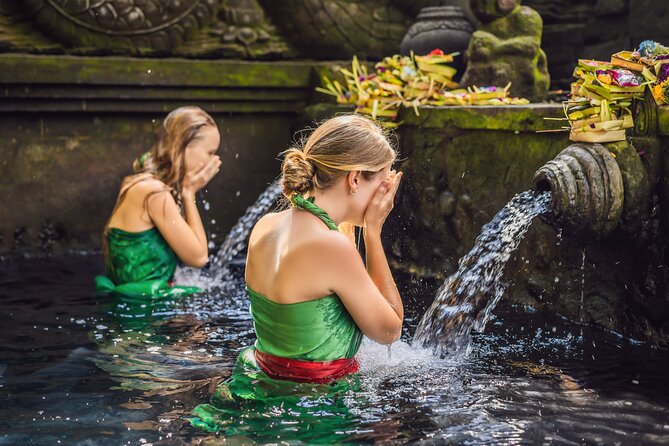
Tirta Empul is one of the most famous water temples near Ubud, built around a holy spring used for purification rituals. If you want the religious side of Bali, this is a strong pick.
Why it’s worth it: you’re seeing the role water plays in daily spiritual life, not just a scenic pond.
Temple-note you should know: your driver cannot guide inside temples. You’ll still be able to visit, but the explanations you want will come from licensed temple guides on-site.
Possible drawback: it’s a water-based site. If you’re not prepared for the dress and wetness expectations, your visit will feel less comfortable.
Waterfalls, caves, and jungle walks

This tour includes a full menu of nature stops, from famous falls to more off-the-radar choices.
Ulu Petanu Waterfall
Ulu Petanu is presented as a hidden-feeling waterfall with lush jungle surroundings and a peaceful vibe. If you like nature that feels quieter, this fits.
Why it’s worth it: calmer nature breaks can refresh your whole day.
Possible drawback: the access and conditions can vary by day. Since your time per stop is limited, you’ll want to wear shoes you can trust on uneven ground.
Tibumana Waterfall
Tibumana is listed as a twin waterfall tucked in lush jungle and suitable for cooling down, including a swim option.
Why it’s worth it: it’s a two-for-one nature moment, and the possibility of a swim makes it more than just a viewpoint.
Possible drawback: water activities can slow you down. If you’re also trying to squeeze in temples later, consider whether you want to keep your swim short.
Kanto Lampo Waterfall
Kanto Lampo is all about layered-rock drama and photo potential. This is a good choice if you want “classic Bali waterfall pictures.”
Why it’s worth it: strong visual angles and that signature waterfall look.
Possible drawback: expect it to be more active and photo-focused than a quiet garden moment.
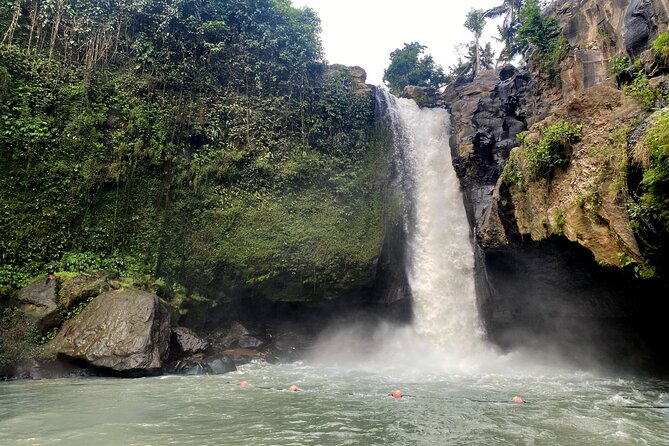
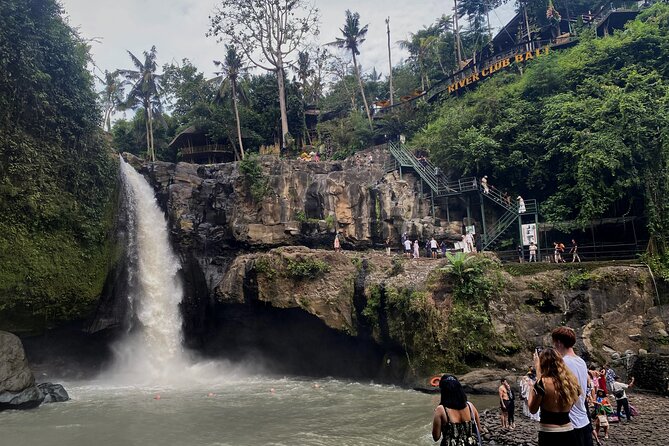
Tegenungan Waterfall
Tegenungan is popular for photos and swimming, and it sits amid greenery. This is a common pick for people who want a mix of view and fun.
Why it’s worth it: it gives you a reliable payoff, especially if you’re traveling with someone who enjoys being in the water.
Possible drawback: popularity can mean more waiting or more people around your preferred photo angles.
Leke Leke Waterfall
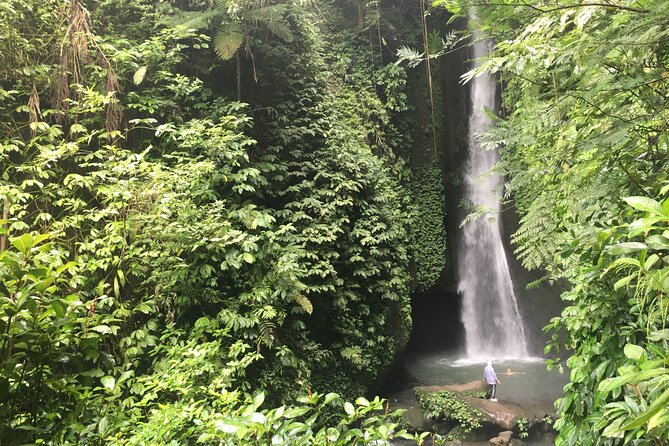
Leke Leke is described as a quieter, hidden-feeling waterfall surrounded by jungle. If you want fewer crowds and more calm, it’s a good match.
Why it’s worth it: nature that feels peaceful helps the day feel less like a checklist.
Possible drawback: “short stop” time means you need to move efficiently once you get there.
Tukad Cepung Waterfall
Tukad Cepung is one of the most unique descriptions in the set: it’s inside a cave, with sunlight streaming through the opening. That kind of setting turns a waterfall visit into something more cinematic.
Why it’s worth it: you get an unusual setting compared to open-air falls.
Possible drawback: cave conditions can affect how fast you move and how long you want to stay. Bring a towel or plan to dry off later.
Elephant Cave and the archaeological side of Ubud
Not every Ubud day needs to be all water and jungle. This route also includes Elephant Cave (Goa Gajah), an ancient archaeological site near Ubud with a carved cave entrance and bathing areas.
Why it’s worth it: it adds depth beyond scenic stops, showing Bali’s older layers through stone and site layout.
Possible drawback: it’s not a long “museum-style” visit. With this tour format, you’ll get a focused glimpse, not an extended study.
Monkey forests, bird park, and family-friendly add-ons
If you’re traveling with kids, or you just want a change of pace from water and temples, the options here make sense.
Sangeh Monkey Forest
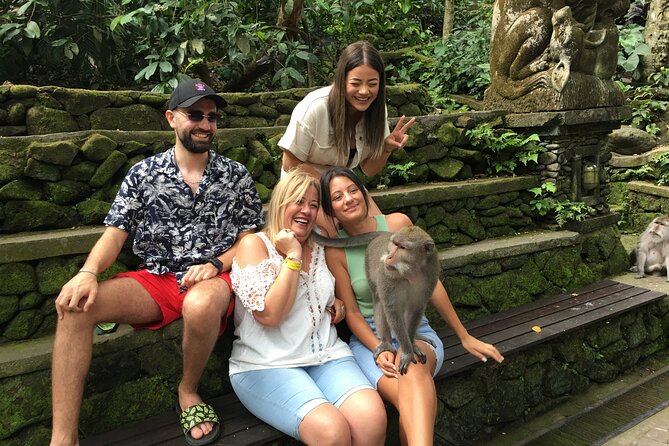
Sangeh is described as a sacred nutmeg forest inhabited by macaques. It’s an easy choice if you want wildlife plus a bit of cultural framing.
Why it’s worth it: monkeys are entertaining, and the setting is more “forest temple vibe” than a zoo feeling.
Possible drawback: bring your common sense for wildlife areas. Don’t leave food exposed, and keep an eye on bags.
Bali Bird Park
Bali Bird Park is listed as home to over 1,000 birds from 250 species, including exotic species from Indonesia and around the world. This is a solid option if your group wants something indoor-ish or more structured.
Why it’s worth it: it’s a guaranteed stop if you want animals and variety, even if it’s hot.
Possible drawback: it may not feel as spiritually tied to Bali as the temples do. Choose it when your group needs a break from the road.
Temples and iconic gates, with the real rules spelled out
Bali temples are a big reason people come. But you should plan around how temple visits work.
Your driver can help with tickets or parking, but they cannot guide inside temples. The licensed guides at the sites will handle the explanations. If you’re the type who likes to understand what you’re seeing, budgeting time for on-site guidance is worth it.
Ulun Danu Beratan Temple
Ulun Danu Beratan is described as a stunning water temple on Lake Beratan. If you want a famous view, this is one of the ones in the set.
Why it’s worth it: it’s scenic on its own, and the lake setting makes it feel special even if you’re not big on temple architecture.
Possible drawback: the lake and weather can influence how comfortable the visit is. If it’s rainy or misty, your photos and time outdoors might change.
Uluwatu Temple
Uluwatu is perched on a cliff with ocean views, so it’s built for dramatic scenery. It’s a great choice for a late afternoon or when you want a cultural stop with a big view attached.
Why it’s worth it: cliff-top temple views feel like Bali in one frame.
Possible drawback: cliff sites often mean crowds and uneven walking. Take your time.
Besakih Temple
Besakih is described as the Mother Temple of Bali and the largest and most important Hindu temple complex. This is for people who want a major temple experience.
Why it’s worth it: scale alone can make a visit feel meaningful.
Possible drawback: because it’s a major site, it can be busy, and it can take longer to move around than smaller temples.
Lempuyang Temple (Heaven Gate)
Lempuyang Heaven Gate is one of Bali’s iconic photo spots with mountain views, and the description notes there’s often queue time. If your group’s dream shot is the gate, you can build the day around it.
Why it’s worth it: if that specific photo is a priority, this is the closest match in the set.
Possible drawback: queueing can eat your limited day time. If you choose this, you may need to cut back on other distant stops.
Handara Iconic Gate
Handara Iconic Gate is described as an iconic photo spot with greenery and mountain views. It’s more photo-forward than some temples, so it works well for a short stop.
Why it’s worth it: quick payoff and strong visuals.
Possible drawback: depending on the day, photo spots can be busy. Go with the mindset that you’re grabbing your moment and moving on.
Water palaces and tidy village time
Not every stop needs a waterfall or a huge temple. The route includes gentler cultural options.
Tirta Gangga
Tirta Gangga is described as a water palace with pools, fountains, and lush gardens. It’s a calming stop that can reset your day before another nature rush.
Why it’s worth it: it’s scenic in a softer way than cliff temples or loud waterfalls.
Possible drawback: it might not deliver the “must-see moment” energy for people who want action all day.
Penglipuran Village and Bamboo Forest
Penglipuran Village is listed with a serene walk and a bamboo forest feel. This is the kind of stop that lets you watch everyday life in a quieter setting.
Why it’s worth it: it’s a break from water activity and gives you a cultural rhythm.
Possible drawback: you’ll likely be walking more than you expect, so wear comfortable shoes and keep hydration in mind.
Beach time, when you want salt air to finish the day
This tour includes several beach options, which can be a great closer if your day still has energy.
Virgin Beach (Karangsem)
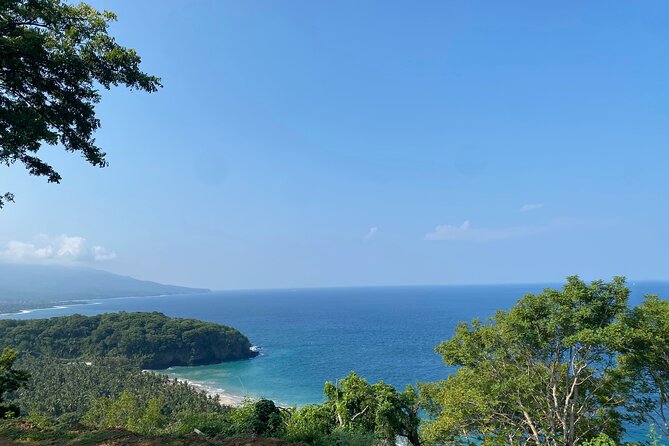
Virgin Beach is described as secluded white sand with crystal-clear waters, good for swimming, sunbathing, and relaxing.
Why it’s worth it: you get the relax payoff without turning your whole trip into a beach vacation.
Possible drawback: “secluded” can also mean fewer facilities. Keep your swim plan simple and bring what you need.
Padang-Padang Beach
Padang-Padang is known for white sand, clear waters, and scenic cliffs. It’s a beach with a view.
Why it’s worth it: it’s a strong ending stop if you also want dramatic scenery.
Possible drawback: beach access and cliff walk areas can be more tiring than a flat beach.
Nyang-nyang Beach
Nyang-nyang is described as a secluded white-sand beach with clear waters, good for swimming and relaxing.
Why it’s worth it: if you choose one beach and want a quieter feel, it’s a strong candidate.
Possible drawback: because it’s secluded, you may have less infrastructure. Plan for comfort and keep an eye on your time.
What entrance fees and lunch mean for your budget
This is priced at $27.52 per person, and the inclusions are clear: private transportation, an air-conditioned vehicle, and bottled water. That’s the backbone of the value. For many travelers, paying for AC comfort and an English driver for most of a day is the real cost saver, compared to piecing things together with multiple rides.
What’s not included is just as important: entrance fees are not included. Every listed stop in the provided options has a note that the admission ticket isn’t included. That means your final spend depends entirely on how many temples, terraces, and attraction sites you add.
Lunch is optional, so budget for it if you want a sit-down meal rather than snacks.
My practical advice: before the day starts, decide which 2 to 4 stops you truly care about most. That way you only pay entrance fees for those top choices, instead of accidentally collecting costs for every photo op.
Who this tour suits best (and who might skip it)
This tour is best for you if:
- You want a private day and don’t want to gamble on transport or directions.
- You like mixing: temples plus nature, or terraces plus swimming.
- Your group includes different interests, and you want a driver who can adapt.
You might skip it if:
- You want a fully guided temple experience with a single guide inside every site, since your driver cannot guide inside temples.
- You’re trying to keep costs ultra-low, because entrance fees are extra and can add up with multiple paid attractions.
If your top priority is freedom with structure, this fits well. It gives you the comfort of private transport, plus enough flexibility to build your own Bali day without feeling scattered.
Should you book this private Bali custom tour?
I’d book it if you’re in Ubud and you want one high-quality day built around your interests, not someone else’s schedule. The private AC car, hotel pickup and drop-off, and English-speaking driver are exactly the kind of practical comforts that make Bali less stressful. Just go in with the right expectations: you’ll pay for entrance fees separately, bring cash, and plan for licensed temple guides for inside explanations.
If you want a day that feels personal, where you can choose from terraces, water temples, waterfalls, caves, and beaches, this is a smart way to do it.
FAQ
How long is the private Bali custom tour?
The tour runs about 8 to 10 hours.
Is hotel pickup and drop-off included?
Yes. The tour includes pickup from your hotel and ends with drop-off.
Can I customize the stops during the day?
Yes. You can tailor your itinerary to match your interests, typically selecting about 2 to 4 destinations depending on distance and traffic.
Are entrance fees included?
No. Entrance fees or admission tickets are not included in the tour price.
Can the driver guide inside temples?
No. The driver cannot guide inside temples. Only licensed guides are permitted inside.
What should I bring for the day?
Bring a change of clothes for water temple and waterfall visits. Also bring enough cash, since many places only take cash for payments.
Is free cancellation available?
Yes. You can cancel up to 24 hours in advance for a full refund.
More Private Tours in Ubud

More Tours in Ubud

More Tour Reviews in Ubud



Not for you? Here's more nearby things to do in Ubud we have reviewed










Tour Reviews, compared.
 ★ 5.0All-Inclusive Ubud Private TourFrom $10014,344 reviews
 ★ 5.0Best of Ubud Full-Day Tour with Jungle SwingFrom $568,571 reviews
 ★ 5.0Monkey Forest, Jungle Swing, Rice Terrace, and Water TempleFrom $317,160 reviews
 ★ 5.0Best of Ubud 1-Day Private TourFrom $544,451 reviews
 ★ 4.4Bali: Ubud Palace Legong Dance Show TicketFrom $63,979 reviews
 ★ 5.0Uluwatu Sunset, Kecak Dance, and Dinner Jimbaran BeachFrom $353,681 reviews
 ★ 5.0Tanah Lot and North Bali Tour: Scenic JourneyFrom $1003,620 reviews
 ★ 5.0Body Massage Experience in Ubud Traditional SpaFrom $213,506 reviews
Browse the lists this tour appears in