
Tour review · TOUR REVIEWS
Jatiluwih Batukaru Mountain Nature’s Best Tour
Bali’s quiet interior beats the beach rush. This day trip takes you north from the Denpasar area toward the Jatiluwih rice terraces and the mountain temples around Pura Luhur Batukaru. You get out of the surf zone and into real working countryside.
I love the small-group approach, with hotel pickup and drop-off, so you spend the day on sights instead of figuring out transport. I also like that an English-speaking licensed guide handles the important context, and entrance fees are taken care of.
One thing to consider is that parts of the day can feel shopping-driven, and it’s also a long ride on curvy, sometimes bumpy roads.
Quick take: what makes this tour worth your time
- A countryside day, not a beach detour, with volcanic farms and rural temple time
- Jatiluwih rice terraces, one of Bali’s most scenic working landscapes to photograph
- Pura Luhur Batukaru, a major Hindu temple complex in a quiet forest setting
- Licensed English-speaking guide, which matters for understanding what you’re seeing
- Free-to-you main site entry plus round-trip transport, which helps value add up
- Bring rain-smart plans, because temple areas can be slippery when wet
Price and logistics: does $61.54 feel fair?
At about $61.54 per person, this tour sits in the midrange for Bali day trips. The value comes from what’s included: round-trip transport, an air-conditioned vehicle, an English-speaking licensed guide, and entrance fees for the main stops. You’re also not left to self-navigate between distant interior sites.
The trade-off is that you’re buying a full day with multiple stops and significant driving. The schedule is set around an 8-hour day, with hotel pickup starting 30 to 60 minutes before 8:30am. If you hate car time, this is not the tour for you. If you can handle roads and you want a culture-plus-nature itinerary in one go, it’s a strong fit.
Also note the group size details. One part of the experience is described as limited to just 6 participants, while another detail says the maximum is 15 travelers. Either way, it’s designed to stay small. That matters when you want a guide to answer questions and help you slow down for photos, not just move you along a checklist.
You can also read our reviews of more tours and experiences in Ubud.

The ride north: timing, comfort, and what to expect on the road
Your day starts with pickup around the 8:30am start time, with pickup happening 30 to 60 minutes earlier. You’ll head north past Denpasar, and the scenery shifts as the city falls away into farm fields, palms, and distant mountain views.
This drive is part of the experience, but it can also be the hardest part. Reviews note winding roads and bumpy sections, and one person mentioned travel sickness despite preventative measures. If you’re prone to motion sickness, plan ahead. Bring any medication you normally use, sit where the ride feels most stable for you, and keep water nearby.
On the comfort side, you are in an air-conditioned vehicle, and you’re not doing this in a chaotic public-transport scramble. That’s a genuine quality-of-life upgrade in Bali if your day starts early and your destinations are spread out.
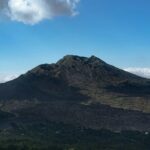
Mount Batukaru: volcanic foothills and how Balinese farming works
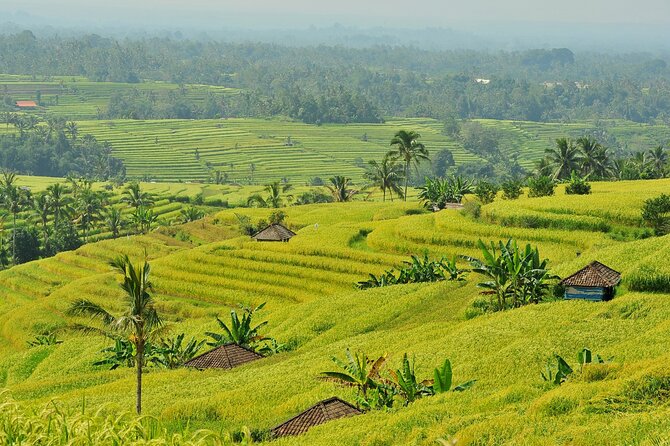
The morning’s first big stop is the Mount Batukaru area, where you learn why people here call themselves Bali’s farming elite. This is not a quick drive-by. You get time to see how the fertile volcanic soil supports crops like tropical fruits, spices, vegetables, and flowers.
What makes this stop feel different from typical “look and take photos” sightseeing is the way it connects farming to daily life. The region’s hills support agriculture in a way that feels engineered by generations of locals, not by a tourist brochure. Even if you are not into gardening, it gives you a more grounded sense of how Balinese culture shapes the land.
You should also expect a little variation by day. Some schedules include stops tied to local products, such as spice gardens and coffee or tea sampling. The positive version feels like learning and tasting local ingredients. The more frustrating version, mentioned in feedback, is when these stops turn into sales-heavy detours. Keep your expectations flexible here.
Jatiluwih rice terraces: the classic view, with a working-life feel
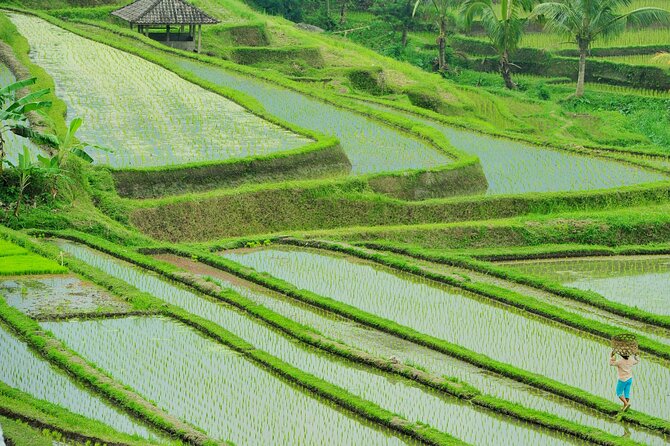
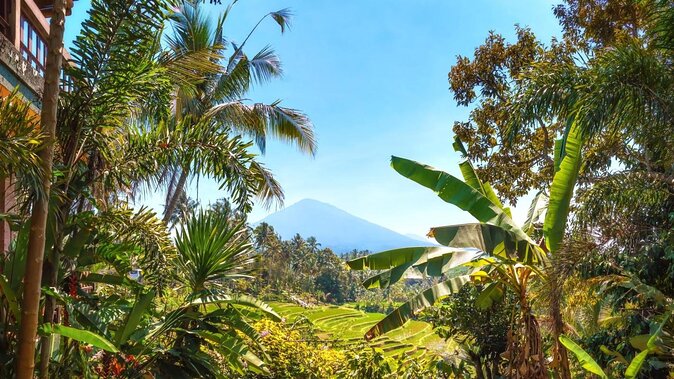
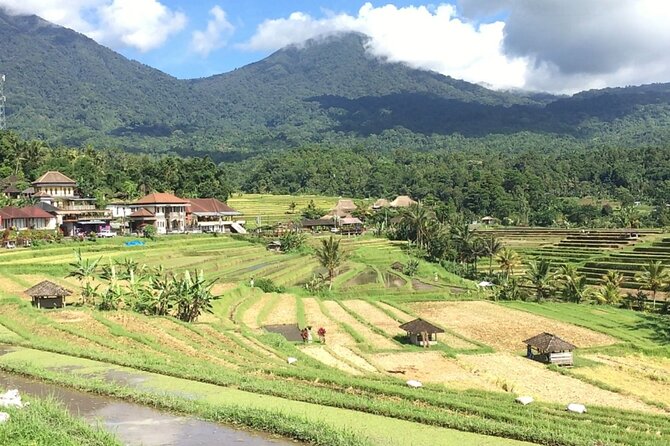
Next you’ll move into the Jatiluwih rice terraces area. This is where Bali’s rice-cultivation system stops being a concept and becomes something you can walk through and photograph.
The big idea you’ll hear is that for Balinese communities, cultivating land is a creative and communal effort. The terraces are shaped to fit the slopes, and the result is an “endless” patchwork effect of finely curved rice paddies. It’s the kind of view where you start by taking a few pictures, then realize your camera roll is going to need cleanup later.
Two practical considerations:
- You’ll likely see it from multiple angles, including views from car windows and then closer up during the stop. The terraces change character as you move, especially if clouds roll in or the light shifts.
- Expect walking time. Even if it’s not a marathon, it’s a nature and temple day, so plan for uneven ground and humidity.
If you want Bali that feels lived-in rather than packaged, this stop is a highlight. If you only want a short scenic pause, it may feel like “just one more place,” but in a good way, because it’s part of a bigger story about how food and culture connect.
Pura Luhur Batukaru: the temple where quiet feels real
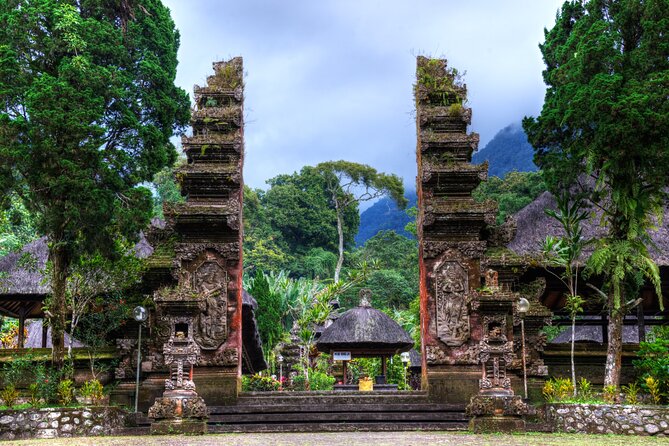
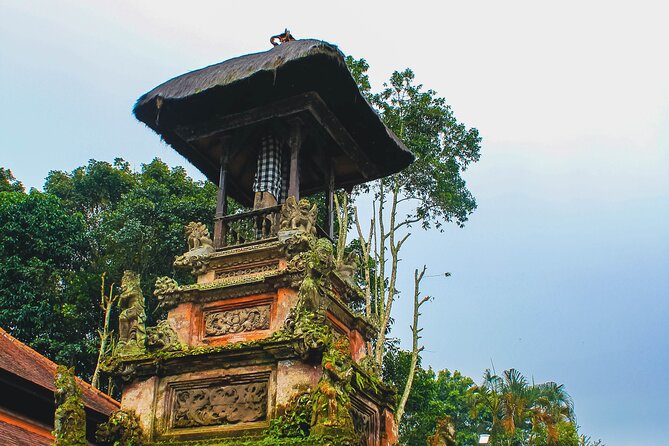
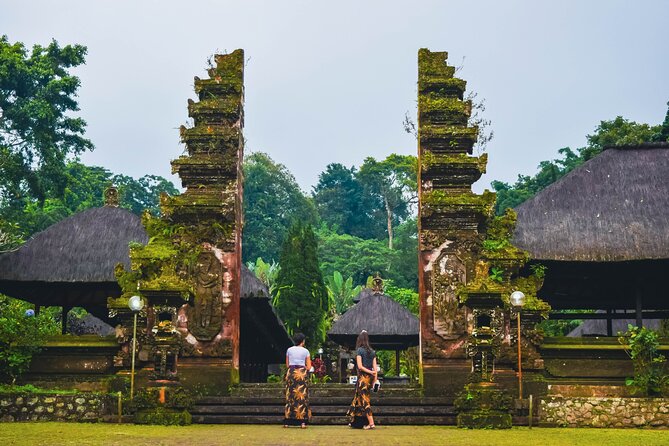
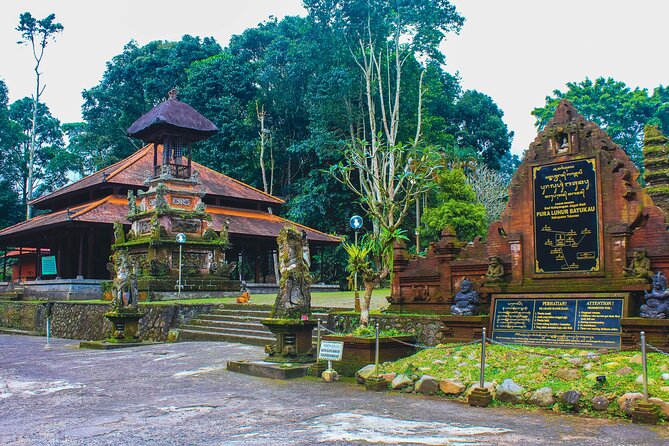
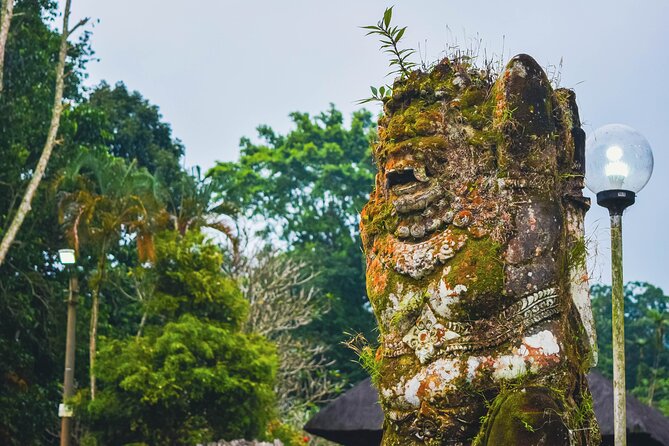
The centerpiece is Pura Luhur Batukaru, reached after a short walk through dense forest near Mount Batukaru. This is one of the island’s holiest Hindu sites, and the setting is part of the experience: temple architecture, forest shade, and that soft, quiet feeling you get when you step away from the main tourist routes.
The temple time is often described as peaceful, and some guides create room for stillness. In particular, people have mentioned time to meditate or sit quietly on the altar. Whether you actively participate or just watch, it changes the vibe from sightseeing to a more reflective stop.
A few practical notes based on what you may encounter:
- Wet stone can be slippery. If rain hits, the moss and moisture in temple areas can make steps and paths slick.
- Footwear matters. You’ll be moving around, not just standing at a viewpoint.
- The temple’s story is often tied to older origins and later rebuilding after destruction. Some guides explain that what you see today can reflect later reconstruction, not only the earliest founding.
If you are sensitive to loud crowds, this is a good choice. The temple is widely respected, and because it’s less “main strip” than some other sites, you may get a calmer experience.


Craft, coffee, and shopping stops: where the day can bend
One of the most talked-about variables in this kind of tour is what happens in the middle and between main sights. The core stops are farming, rice terraces, and the temple. But some versions of the day add sidetracks to local product makers.
From feedback you may see stops such as:
- craft workshops connected to batik and sometimes silver
- spice garden style visits
- coffee or tea sampling, with some mentions of luwak coffee
Here’s the balanced way to think about it: these stops can be educational if they show how products are made and you’re interested in local ingredients and crafts. But if you booked this for temple quiet and rice terrace views, a heavy shopping flow can feel like a detour.
My advice: go in knowing this could happen. If the guide recommends purchases, don’t feel pressured to decide on the spot. If you care about staying on track, tell your guide what you want your day to prioritize, and ask whether a stop is optional.
Where you’ll rest, and what food costs look like
There is time for a restaurant rest stop on the way back, with food and drinks available for purchase at your own expense. The tour structure keeps this simple: you’re not paying a set lunch price upfront as part of the tour cost.
Realistically, this is where value can swing. One review mentioned food quality concerns at the rice-terrace restaurant, while others described enjoying a meal with a good view. The safest expectation is: plan to spend a bit extra for lunch, and consider using the meal as a break, not as the main event.
If you’re the kind of person who hates surprises, keep a small buffer in your budget for snacks, drinks, or a more satisfying meal after the tour.
Who this tour suits best
This experience is a great match if you want:
- Bali beyond beaches, with a real interior route
- rice terraces plus a major temple, not just one of the two
- a guide who can connect what you see to how people live there
- a small-group feel that makes it easier to ask questions and pause for photos
It’s less ideal if:
- you strongly dislike long driving days
- you hate shopping pressure or craft-stop pushiness
- you get motion sickness easily and haven’t planned for it
Guide quality really matters. Names that have shown up in feedback include Darta, Mandara, Benny, Rodney, Arya, Radi, Gus, and Sandy. You might get a guide who is warm and story-driven, or one who comes across more serious or distant. Either way, the temple and terraces are the main payoff, and those are in your favor.
Should you book this Jatiluwih Batukaru mountain tour?
I’d book it if your idea of a perfect Bali day includes mountain air, rice terrace views you can’t stop photographing, and a quiet temple setting like Pura Luhur Batukaru. The included guide, entrance fees, and transport help you spend your energy on seeing, not on logistics.
I would hesitate if you’re expecting a pure nature hike with zero product stops, or if your stomach and back do not handle winding, bumpy roads well. For those situations, look at your tolerance for car time and sidetracks before committing.
FAQ
How long is the Jatiluwih Batukaru Mountain Nature’s Best Tour?
The tour duration is listed as approximately 8 hours.
What time does the tour start, and when does pickup happen?
The start time is 8:30am, and pickup is typically arranged 30 to 60 minutes before that time.
Is hotel pickup and drop-off included?
Yes. Pickup and drop-off service is included from major hotels in the Kuta, Seminyak, Sanur, Jimbaran, and Nusa Dua areas.
Where is the meeting point?
The meeting point is listed as Batu Karu Temple (F7X7+9V5, Ubud, Gianyar Regency, Bali 80571, Indonesia).
How big is the group?
The tour is described as a small-group experience with a maximum of 15 travelers, and it is also advertised as limited to just 6 participants.
What are the main sights included?
The day includes a stop around Mount Batukaru, the Jatiluwih rice terraces, and the Luhur Batukaru Temple.
Are entrance fees included?
Yes. Entrance fees are included as part of the tour.
Is lunch or food included?
Food and drinks are not included. There is a restaurant stop where you can purchase food and drinks for your own expense.
Is the tour offered with a mobile ticket?
Yes, mobile ticket is included.
Can I cancel for a full refund?
Yes. Free cancellation is available if you cancel at least 24 hours before the experience’s start time.
More Tours in Ubud
More Tour Reviews in Ubud
Not for you? Here's more nearby things to do in Ubud we have reviewed




Tour Reviews, compared.
 ★ 5.0All-Inclusive Ubud Private TourFrom $10014,344 reviews
 ★ 5.0Best of Ubud Full-Day Tour with Jungle SwingFrom $568,571 reviews
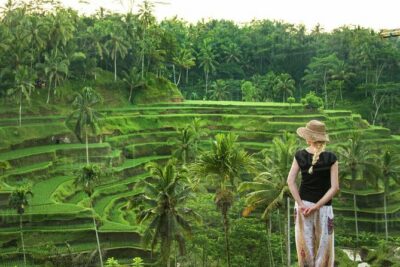 ★ 5.0Monkey Forest, Jungle Swing, Rice Terrace, and Water TempleFrom $317,160 reviews
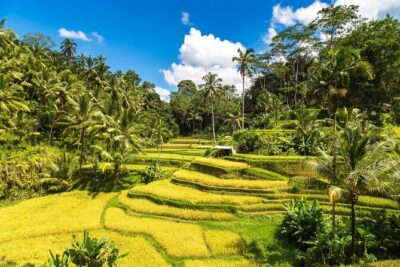 ★ 5.0Best of Ubud 1-Day Private TourFrom $544,451 reviews
 ★ 4.4Bali: Ubud Palace Legong Dance Show TicketFrom $63,979 reviews
 ★ 5.0Uluwatu Sunset, Kecak Dance, and Dinner Jimbaran BeachFrom $353,681 reviews
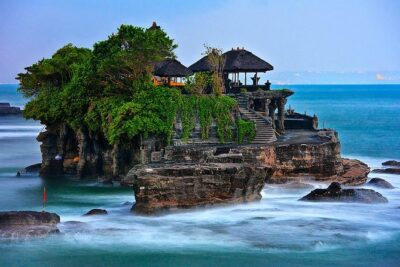 ★ 5.0Tanah Lot and North Bali Tour: Scenic JourneyFrom $1003,620 reviews
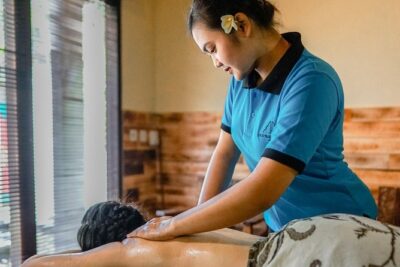 ★ 5.0Body Massage Experience in Ubud Traditional SpaFrom $213,506 reviews