
Tour review · TOUR REVIEWS
Discover Balinese fortune telling with convenient on-call service
Ubud has a mystical side, and it’s practical too. This experience mixes on-call Balinese fortune telling (solo palmistry, family sessions, or counseling) with a meaningful temple stop at Pura Tirta Empul and a coffee plantation tasting. I especially like that it’s small group style with free hotel pickup and drop-off, so you spend less time negotiating Bali logistics. One thing to consider, the “fortune telling” angle can feel more like spiritual knowledge sharing than strict predictions.
I also like the flexibility of the “on-call” format. You’re not stuck with one rigid script, and the session can shift based on what you want to ask. The best-fit vibe is reflective and conversational, so come with open questions, not just a need for instant answers.
Key takeaways before you go
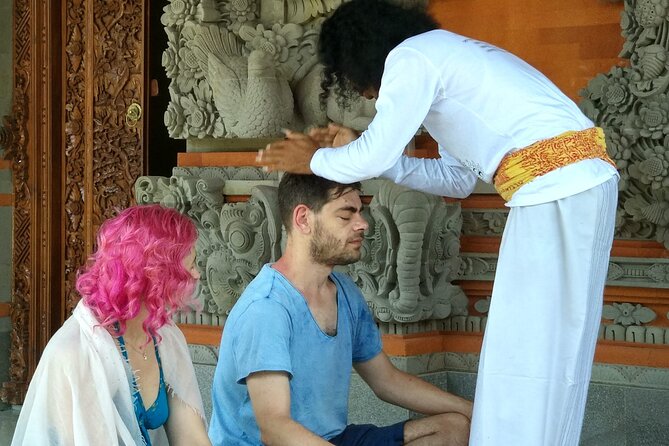
- On-call session choices: solo palmistry, family fortune telling, and counseling options built into the Ubud stop.
- Tirta Empul matters: you’ll soak in the sacred spring pools and learn the Hindu purification and bathing ritual context.
- Free pickup and drop-off: saves time and makes the day easier, especially if you’re staying in central Ubud.
- Short and focused: expect roughly 45 minutes to 1 hour for the experience timing.
- Mobile ticket: convenient for check-in, no paper scramble.
- Spiritual tone: the Balinese Guru discussion often leans toward guidance and insight more than “future guessing.”
Ubud, fortune telling, and Tirta Empul, why this combo works
If you’ve only seen Ubud as a craft-and-cafe town, this is a reminder that the spiritual side is part of daily life here. The “fortune telling” component is not just a party trick. It’s paired with a visit to Pura Tirta Empul, a water temple tied to purification and health beliefs in Balinese Hindu practice.
The smartest part for your trip is how the day is structured around learning, not just watching. Your time isn’t split between far-flung sites and long waits. You get a concentrated session in Ubud, then you move on to a place where the ritual has real meaning for locals.
You can also read our reviews of more tours and experiences in Ubud.


The on-call Balinese fortune telling part, what you can actually choose
This experience is built around an on-call service in Ubud, with options that change the tone of your visit:
Private solo palmistry
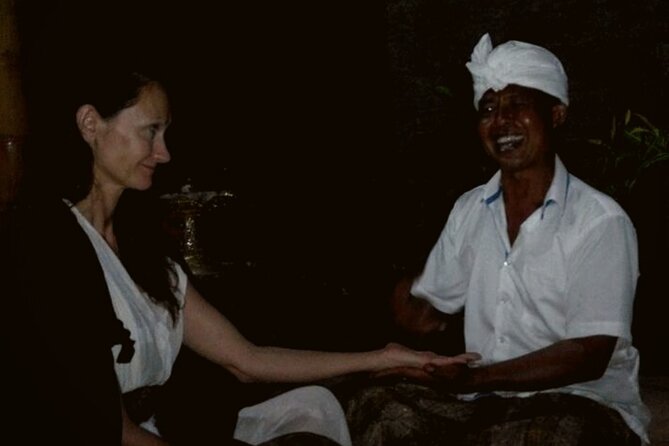
If you want something personal, solo palmistry is the cleanest fit. Palm lines are used as a starting point for conversation about past, present, and future. Even if you don’t think it’s predictive science, you can use it like a reflective prompt. Ask questions that tie to choices you’re actually facing right now.
Family fortune telling
If you’re traveling with relatives or friends who want shared meaning, the family session is designed for that. The point is to explore how stories connect across generations. It can be a fun way to compare interpretations and get everyone talking, especially if your group likes a spiritual or cultural experience together.
Counseling sessions
This one is for when you want something gentler and more grounded. Counseling is led by compassionate professionals, so the tone tends to focus on healing and self-discovery. If your goal is perspective rather than prediction, this option likely fits better.



A note on expectations
The most praised aspect of the on-call session is that the conversation with the Balinese Guru is insightful and spiritually oriented. It’s not presented like a dramatic performance that tries to shock you. Instead, it leans toward guidance and knowledge sharing. That’s great if you want clarity and calm. If you want bold, specific dates and events, you may find the experience feels more interpretive than literal.
Stop 1 in Ubud, how to get the most from your session
This is the part where you can control the quality of the experience. You don’t need perfect questions, but you do need honesty. If you arrive with one main theme, you’ll get more useful insight.
Here’s how I’d prep:
- Write down 2 to 3 topics you care about (love, career, timing, family dynamics).
- Decide if you want predictions, meaning, or advice, since the session can lean spiritual and instructional.
- For family sessions, agree on one shared topic first. It prevents the conversation from spreading too thin.
Also, go in with patience. Even though the experience is short, the value is in the back-and-forth. This isn’t a one-way lecture.
Pura Tirta Empul, sacred spring water and the purification lesson
After the Ubud session, you’ll visit Pura Tirta Empul, one of Bali’s most important water temples. The big focus here is the holy spring water pools and the story behind Hindu purification and bathing rituals.
What makes this stop special is the way it connects action to explanation. You’re not just told, you learn why people treat the bathing ritual as meaningful. The guide helps translate the symbolism so it lands beyond the photo-op stage.
Practical mindset:
- Expect to get wet. Wear clothes and footwear you can live with getting soaked.
- Respect the temple setting. This is a working religious site, not a theme park.
- If you’re unsure what to do, watch what locals do and follow your guide.
One more benefit of this pairing: purification and palmistry sit well together. One is about ritual and cleansing, the other is about introspection and personal insight. Together, it can feel like you’re closing one chapter and opening another, without needing any big dramatic storyline.
Coffee plantation tasting, a pleasant break after the temple
After the temple, you stop at a coffee plantation for a tasting. This is a lower-stakes, more sensory stop, which balances the more reflective temple visit.
For value, coffee plantation tastings can go either way depending on how touristy they are, so I like that this one is framed as a tasting rather than a long entertainment show. Keep your expectations simple: sample the coffees, ask what’s grown, and use it as a chance to reset your brain before heading back.
If your group is focused on spirituality, the coffee stop still works because it gives you something normal and enjoyable right after the ritual time.
Price and value, why $80 can feel either fair or tight
At $80 per person, you’re paying for a package, not just a single activity. The included items matter: you get all fees and taxes, hotel pickup and drop-off, and the experience runs about 45 minutes to 1 hour (based on the listed duration).
Here’s where the price feels fair:
- Pickup and drop-off: Bali traffic is real. Not having to coordinate transportation for each stop can easily add value.
- Learning plus access: you’re getting explanation from a guide at a culturally significant temple, not only a self-guided visit.
- More than one component: Ubud session plus Tirta Empul plus coffee tasting gives you a full half-day flow.
Here’s the drawback to consider:
- The session itself is relatively short. If you want a long, deep, question-heavy consultation, you might wish you had more time at the beginning.
- Since the tone can lean spiritual knowledge sharing, you need to be the type of person who enjoys meaning-making, not only prediction.
If you like culturally grounded experiences, this price can be a good deal for Ubud. If you only care about palmistry as a quick gimmick, you might feel the rest of the day is more than you needed.
Small group feel, private service options, and how it affects your day
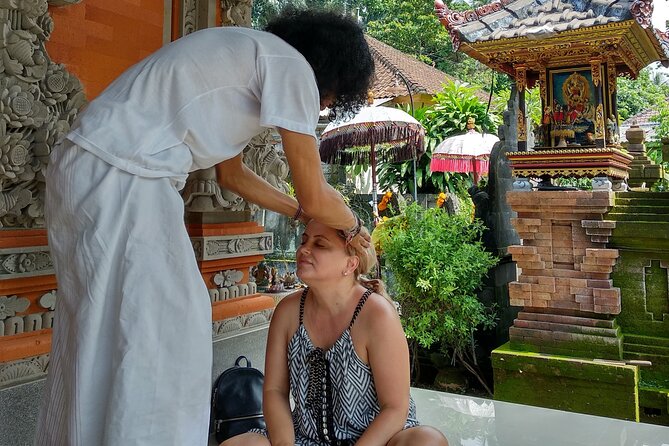
This is described as private tour/activity, meaning only your group participates. That’s a big practical advantage. You’re not shoved into a large crowd where you have to compete for attention or rush through questions.
Small-group style also tends to help with the emotional side of fortune telling. People interpret insights differently, and having space to ask follow-ups without being interrupted makes the conversation feel more personal.
For timing, keep your schedule flexible. With hotel pickup and a temple stop plus a tasting, the day can run like a classic half-day program, even if your main fortune telling session is around 45 minutes to 1 hour.
What to expect from the guide, and how to work with them
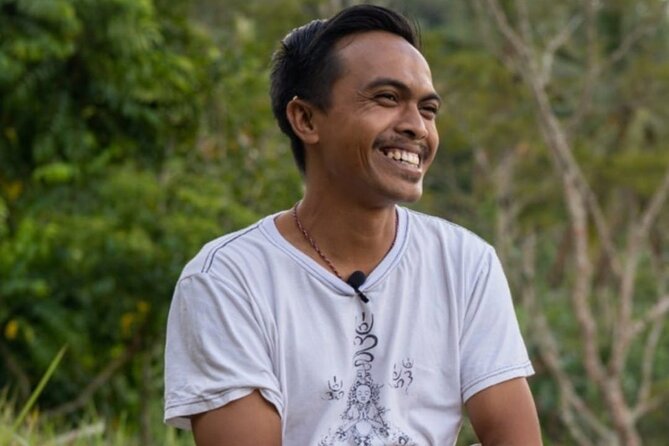
The experience emphasizes an informative, friendly, and professional guide, and the Ubud session includes a Balinese Guru. The best-reviewed outcome is that the Guru conversation is insightful and tends to share spiritual knowledge rather than only delivering predictions.
So treat the session like a guided discussion:
- Ask for explanations, not just outcomes.
- If something resonates, say so. That helps the guide tailor the direction.
- If you feel confused, ask for simpler wording.
A good rule: you should leave with at least one useful takeaway you can apply to your current life. If the session feels flat, it usually means you didn’t give the guide enough material to work with.
Who should book this, and who might want a different plan
I’d point you toward this if you:
- Want a spiritual, culturally grounded Ubud experience, not just a shopping loop.
- Like the idea of palmistry and reflection, especially when it’s framed as insight and guidance.
- Want a day that includes both a temple ritual context and a relaxed coffee tasting.
- Prefer a smaller, more personal feel with hotel pickup and drop-off.
I’d steer you elsewhere if you:
- Want strict, exact predictions with a punchy, entertaining style. This experience is more reflective.
- Need long consultation time. The format is relatively short, and the power is in focused conversation, not hours of analysis.
- Are traveling with someone who dislikes religious settings. Tirta Empul is a temple, and even if you’re respectful, it will still feel serious.
Should you book? My practical verdict
Book it if you want a meaningful mix of on-call Balinese insight and a visit to Pura Tirta Empul that comes with real explanation. This is the kind of experience that can leave you calmer, not just entertained, and the free pickup makes it easy to fit into a Ubud stay.
Skip it only if your main goal is quick entertainment from fortune telling with lots of concrete predictions. If that’s the case, you’ll likely want a different style of session.
Bottom line: this works best when you show up curious, respectful, and ready to talk.
FAQ
How long is the experience?
It’s listed as approximately 45 minutes to 1 hour.
Where does the tour take place?
It starts in Ubud, Gianyar Regency, Bali, Indonesia, and returns back to the meeting point.
What costs are included in the price?
The price includes all fees and taxes. The tip is not included.
Is hotel pickup and drop-off included?
Yes, free hotel pickup and drop-off are included.
Is the ticket mobile or paper?
A mobile ticket is included.
Is admission included?
Admission ticket is listed as free for the activity.
What fortune telling options are available?
The on-call service includes private solo palmistry, a family fortune telling program, and counseling sessions.
Is this a private activity?
Yes, it’s a private tour or activity, and only your group participates.
When do I get confirmation?
Confirmation is received at the time of booking.
Can I cancel and get a refund?
No. This experience is non-refundable and cannot be changed for any reason.
If you want, tell me your travel dates and whether you’re going solo, as a couple, or as a family. I can help you pick the best on-call option and plan what kind of questions to bring.
More Tour Reviews in Ubud
Not for you? Here's more nearby things to do in Ubud we have reviewed






Tour Reviews, compared.
 ★ 5.0All-Inclusive Ubud Private TourFrom $10014,344 reviews
 ★ 5.0Best of Ubud Full-Day Tour with Jungle SwingFrom $568,571 reviews
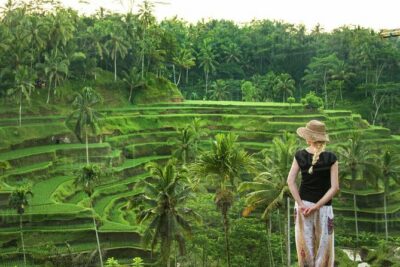 ★ 5.0Monkey Forest, Jungle Swing, Rice Terrace, and Water TempleFrom $317,160 reviews
 ★ 5.0Best of Ubud 1-Day Private TourFrom $544,451 reviews
 ★ 4.4Bali: Ubud Palace Legong Dance Show TicketFrom $63,979 reviews
 ★ 5.0Uluwatu Sunset, Kecak Dance, and Dinner Jimbaran BeachFrom $353,681 reviews
 ★ 5.0Tanah Lot and North Bali Tour: Scenic JourneyFrom $1003,620 reviews
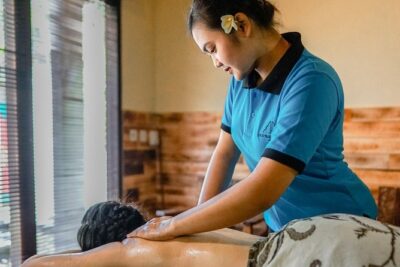 ★ 5.0Body Massage Experience in Ubud Traditional SpaFrom $213,506 reviews