
Tour review · TOUR REVIEWS
Besakih Temple Tour – Traditional Bali Village – All Inclusive
A car-free village and a cave waterfall, in one day. This all-inclusive tour strings together three cultural hits and one photo moment you do not want to miss, with a private driver/guide to explain what you are seeing and a smooth door-to-door day. I especially liked the private hotel transfers that keep you from wrestling with Bali traffic before breakfast and after temples.
Second, the Tukad Cepung cave waterfall delivers those famous light effects while you walk through a riverbed and rocks. One heads-up: it is a long day (about 8 to 10 hours) and temple entry comes with rules, including that women are not permitted to enter temples during menstruation.
Key things I’d put on your must-do list
- Penglipuran Village rules: no driving car or motorbike into the village, which makes it feel calmer and more local
- Kehen Temple for a quieter visit: a 13th-century temple with an old banyan tree setting
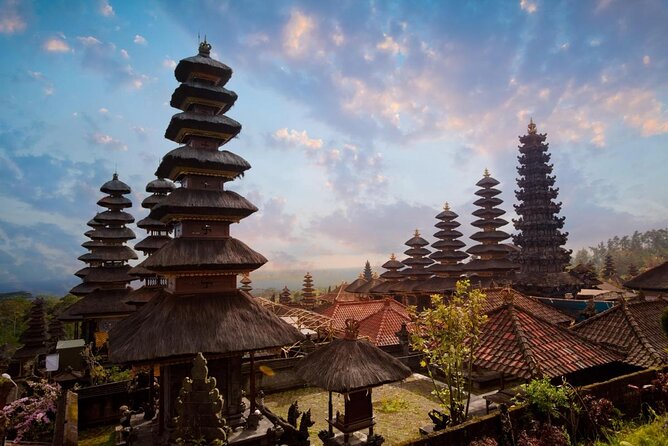
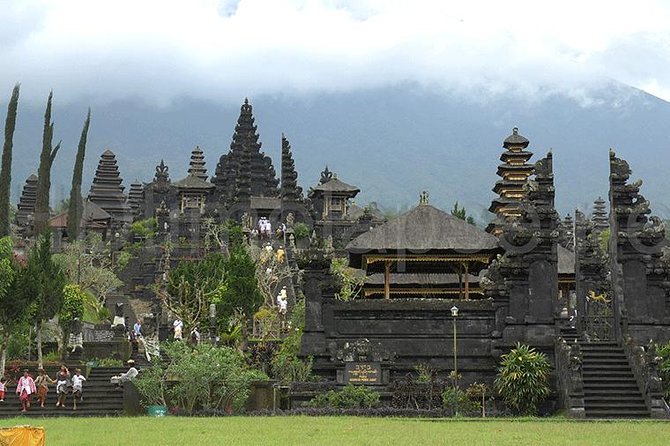
- Besakih’s scale: Bali’s most important temple complex on the slopes of Mt. Agung, with multiple temple areas
- Tukad Cepung’s cave setting: waterfall viewed through cliffs and a cave, where light changes the look
- Mobile-photo friendly guides: your driver/guide helps with photos using a smartphone style approach
A full day built around culture, not just checklists
This is the kind of day tour that works because it follows a pattern you can feel. You start with a village that has real rules, you move into religious sites where the layout matters, and you finish with a waterfall that looks different once you are actually there. It is a smart mix of easy culture stops plus one more active segment.
The tour also keeps your logistics simple. You are in an air-conditioned vehicle with 2-way private hotel pickup and drop-off, and you are not trying to piece together drivers between scattered locations. That is how you end up with enough energy to actually enjoy each stop, not just survive the ride.
And yes, the price is budget-friendly for what is included, which is not always true in Bali. You get lunch, entrance fees, a temple sarong, and the car. That matters when you are comparing it to adding up separate day-trip parts one by one.
You can also read our reviews of more tours and experiences in Ubud.


Getting to Penglipuran without losing your morning
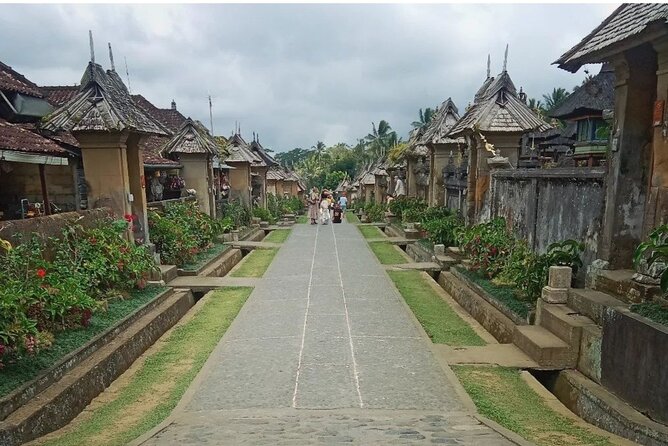
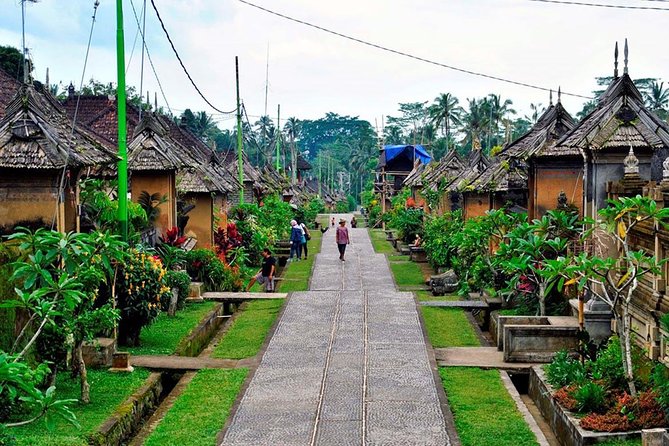
Penglipuran Village is in the Bangli district and is known for being extremely clean. The bigger reason to put it first is the vibe: you get there before the day gets busy, and the village has a rule that shapes the experience. You are not allowed to drive a car or motorbike into the village, so it feels slower and more human.
Plan for about 30 minutes here. That is enough time to walk around, see the houses and family areas from the outside, and get a feel for how the community organizes daily life. Since the village limits vehicles, you will naturally end up doing more walking than you would in a typical stop.
One practical thing: expect the entrance ticket to be included in your tour time, and wear comfortable shoes. This is not a museum floor. You are moving through a real village.
Penglipuran Village, what to notice for real
This stop is not just a pretty photo spot. I like it because it helps you understand how Bali traditions show up in ordinary rules. When people limit vehicles, it changes sound levels, air quality, and even how the street feels.
If you care about details, keep an eye out for the way the village is laid out and the general cleanliness. If you like calm places, this one tends to deliver that.
Bamboo forest walk: short, sweet, and useful context
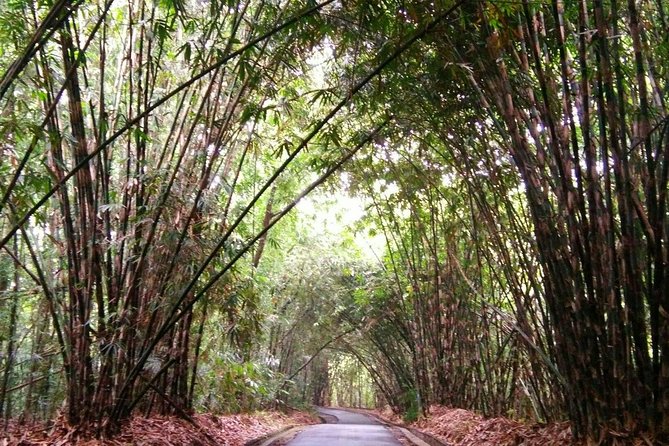
Just north of Penglipuran, you have the Penglipuran Bamboo Forest stop. This is another quick one, around 30 minutes, and it is more than a scenic break. Bamboo matters in Bali because it is used for construction and everyday tools, not just for decoration.
You will see bamboo trees that are used to make bamboo houses, ceremonial items, and crafts. That is a nice bridge from village rules into broader culture and local materials.
One thing to keep in mind: this is a forest walk, not a long trek. Bring water, stay aware of uneven ground, and use this time to reset between temples and later, wetter terrain.
Kehen Temple: a slower temple stop with a banyan tree vibe
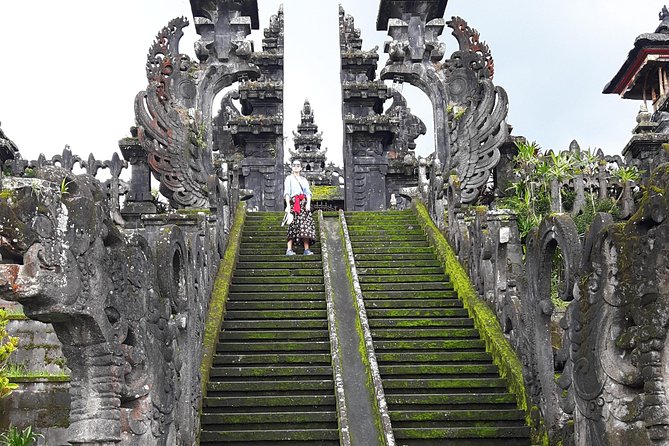
Next comes Kehen Temple, a site many people skip because it is not always the headline name. That is exactly why I like it. It is the second largest temple in Bali and dates back to the 13th century, and it is still relatively quiet compared with more famous complexes.
You get about 45 minutes here, which is a comfortable window for looking, photographing, and reading the space without rushing. The temple setting includes an ancient banyan tree, which adds shade and a feeling of age. It helps Kehen feel grounded rather than staged.
What you might like most: the atmosphere. When a temple is calmer, you can pay attention to the layout and details, instead of being pushed along by crowds.
Practical note: you will have to follow temple dress rules. The tour provides a traditional Balinese sarong to use, but it still helps to wear clothes you can move in.


Besakih Temple on Mt. Agung’s slopes: big, spiritual, and busy when ceremonies happen
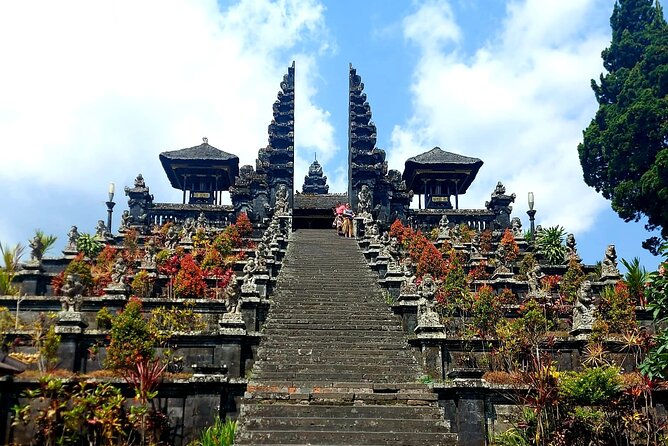
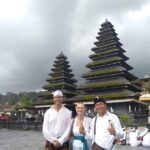
Besakih Temple is Bali’s biggest and most important temple area, built on the slopes of Mt. Agung. It is not one single temple building. Instead, you are looking at a complex with multiple temples in the same area, which is part of what makes it feel so extensive.
Your time here is about 1 hour, and it moves fast by nature. Even if you are not chasing every view point, you will be walking and looking at different sections within the complex. One hour is enough if your guide helps you prioritize what to see.
From what I see work best on a day like this, ask your driver/guide to help you understand what you are seeing before you take photos. That way the temple stops become more than backgrounds. You will get context for the worship center role it plays.
A real Bali timing factor: ceremony traffic
Here is a practical reality: Besakih can be hectic on ceremony days. One of the reasons guides like Agung and Ketut Suwenda are often praised is that they can make the call in real time, including how to handle route and traffic pressures. Your best move is to treat the day as flexible and listen to your guide if there is a ceremony schedule shift.
Even with crowds, Besakih can be memorable because it feels like a living religious hub, not a theme park version of a temple.
Temple entry rules you should know before you go
The tour includes the sarong for entry, but there is also a hard rule: women are not permitted to enter any temple during menstruation. If this applies to you, you may need to plan around it with your guide ahead of time so the day still feels worthwhile.
Tukad Cepung waterfall: the cave walk and why wet shoes matter
Tukad Cepung is the stop that changes the mood of the day. It is a unique hidden waterfall with the waterfall located under a cave, viewed through cliffs and the cave opening. That is why people chase it for light effects. The look shifts based on where the sun sits and where you stand.
You get 1.5 hours here, including time to walk in and actually experience it. This is also where preparation matters. You are advised to prepare a swim suite and water shoes or sandals. Even if you think you can do it in sneakers, it is not worth risking comfort or traction.
What the cave setting feels like
The waterfall is set up so you are not just standing beside water. You walk along a riverbed with rocks and through a cave-like corridor to reach the viewing area. That walk is part of the magic because it builds anticipation.
It is also why moderate physical fitness helps. The tour notes you should have a moderate fitness level, and this stop is the main reason. You do not need to be an athlete, but you should be comfortable walking on uneven ground and moving carefully.
Photos: when your guide matters
You will get help with photos from a driver/guide who has mobile photography skills. That is not just nice. In a cave waterfall setting, timing and positioning matter. The guide can help you find angles and get shots without turning the visit into a stress spiral.
If you want your photos to look better with less effort, do this: focus on getting one or two strong compositions early, then slow down for the rest. The cave setting rewards patience.
What is actually included, and why it is better value than it looks
At $79 per person, the real question is what you are paying for beyond transport. The tour includes:
- Professional English-speaking driver/guide, with mobile photography skills
- Private hotel pickup and drop-off
- Traditional Balinese sarong to use for temple entry
- Lunch
- Air-conditioned vehicle
- Entrance fees
When entrance fees and lunch are included, your day-trip math gets simpler. You are also saving time, which is a bigger currency than people admit. You do not have to stop and queue up, hunt down tickets, or negotiate small add-ons in the middle of the day.
Also, the tour is described as all inclusive, and the inclusions match that. It is one of those setups where you can pack a day and not worry you forgot to budget for basics.
One small caution: gratuities are not included. That is not unusual in Bali, but it helps to be ready with something extra if your guide does a great job.
Private driver/guide: the difference between seeing places and understanding them
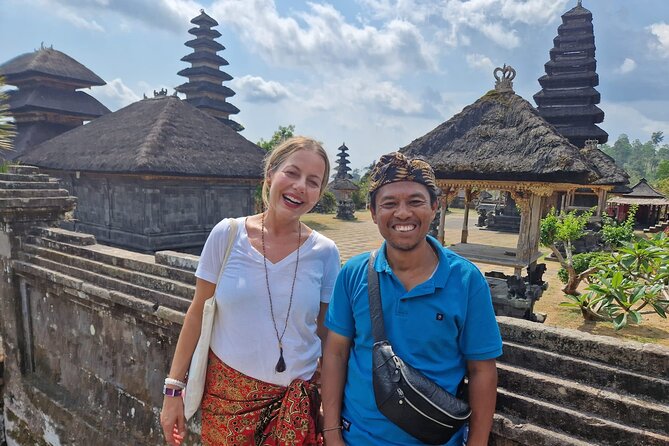
A private tour is only worth it if the guide uses the time well. This one is built around a tailored driver/guide experience, with insights adapted for your group. That can sound like marketing, but the reviews you will see online consistently praise guides such as Agung and Ketut for safe driving, courtesy, and cultural explanations.
I also like the flexibility implied by that approach. If you want more time at a viewpoint or need a careful pacing adjustment, a private guide can usually work with that better than a large group.
And since the day includes both temples and a waterfall walk, you need someone who can manage the rhythm. The best guides keep you from getting temple fatigued before you reach Besakih, and from waterfall energy running out before you enjoy the best light.
How long is long enough? Timing and pacing that feels realistic
The day runs about 8 to 10 hours. That range matters, because it is enough time to see everything listed without feeling like you are doing back-to-back sprints.
Still, plan for a full-day mindset:
- Expect walking at Penglipuran and Kehen
- Expect more careful steps at Tukad Cepung
- Expect the Besakih area to feel larger than one hour can fully cover
If you are the type who needs every photo to be perfect, you might feel rushed at Besakih. If you are the type who enjoys learning what you are looking at, you are in the right place because you have a guide to make it make sense.
Who this Besakih and waterfall tour suits best
I think this tour is a great fit if you want:
- A structured full-day that covers major cultural stops plus a cave waterfall
- Private time with a guide who helps with photos and explanations
- Included lunch and entrance fees so you can budget calmly
It is also a solid choice for a first Bali trip, because you hit a wide range of what Bali offers in one coherent route.
You may want to skip or pick something gentler if:
- You do not handle uneven, rocky walking well, since Tukad Cepung involves a riverbed walk
- You need temple access during menstruation, because women are not permitted to enter temples during that period
Should you book this tour?
Yes, if you want a day that feels organized, culturally grounded, and photo-ready without constant planning. The big value points for me are the included transfers and entrance fees, plus the fact that Tukad Cepung is not just a quick stop, you get enough time to actually experience the cave waterfall setting. The private driver and photo help also make the difference between random snapshots and images you are proud of.
If you hate long days or you are not comfortable with wet, rocky terrain, then choose a less active itinerary. But if you can handle a full day and a moderate fitness level, this one is an efficient way to see some of Bali’s most memorable religious and natural moments in one go.
FAQ
Where does hotel pickup and drop-off happen?
Pickup and drop-off are included from select south Bali hotels. You will use the private vehicle for the full route.
How long is the tour?
The tour runs about 8 to 10 hours.
Is this a private tour?
Yes. Only your group participates.
What is included in the price?
Included are a professional English speaking driver/guide, private hotel pickup and drop-off, a traditional Balinese sarong for temple entry, lunch, an air-conditioned vehicle, and entrance fees.
What should I bring for Tukad Cepung Waterfall?
Bring a swim suite and water shoes or sandals, since you are advised to prepare for the waterfall experience.
Are women allowed to enter temples during menstruation?
No. Women are not permitted to enter any temple during menstruation.
Is moderate fitness required?
Yes. The tour is intended for travelers with a moderate physical fitness level.
What is the cancellation and refund policy?
Free cancellation is available. You must cancel at least 24 hours in advance for a full refund.
More Tours in Ubud
More Tour Reviews in Ubud
Not for you? Here's more nearby things to do in Ubud we have reviewed







Tour Reviews, compared.
 ★ 5.0All-Inclusive Ubud Private TourFrom $10014,344 reviews
 ★ 5.0Best of Ubud Full-Day Tour with Jungle SwingFrom $568,571 reviews
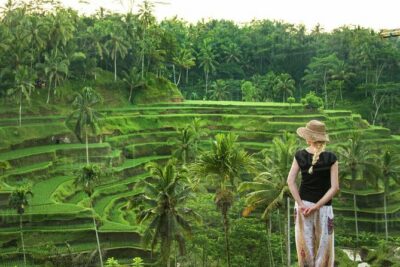 ★ 5.0Monkey Forest, Jungle Swing, Rice Terrace, and Water TempleFrom $317,160 reviews
 ★ 5.0Best of Ubud 1-Day Private TourFrom $544,451 reviews
 ★ 4.4Bali: Ubud Palace Legong Dance Show TicketFrom $63,979 reviews
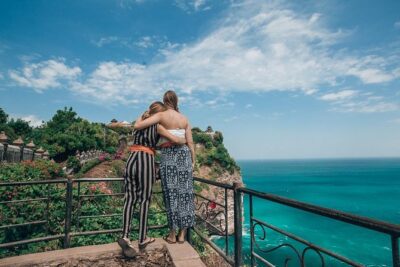 ★ 5.0Uluwatu Sunset, Kecak Dance, and Dinner Jimbaran BeachFrom $353,681 reviews
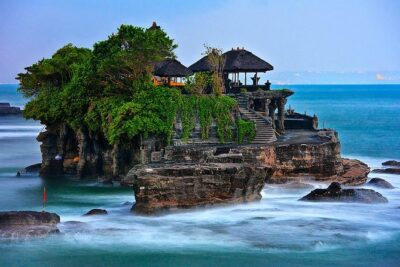 ★ 5.0Tanah Lot and North Bali Tour: Scenic JourneyFrom $1003,620 reviews
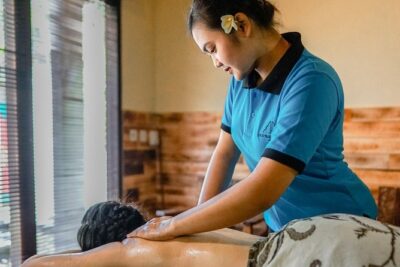 ★ 5.0Body Massage Experience in Ubud Traditional SpaFrom $213,506 reviews
Browse the lists this tour appears in