
Tour review · TOUR REVIEWS
Bali Rural Village Bike
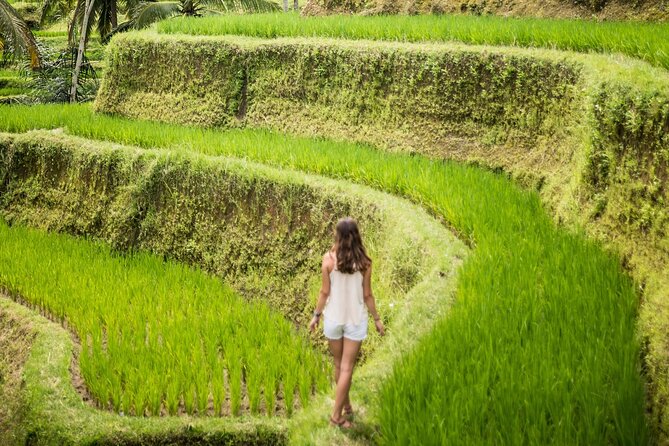
Two wheels, fewer crowds, more real Bali. This private rural bike day takes you past rice fields and into working villages, with a guide keeping you on track and explaining what you’re seeing. You’ll also hit a spiritual stop and end with time at a waterfall where a swim is possible.
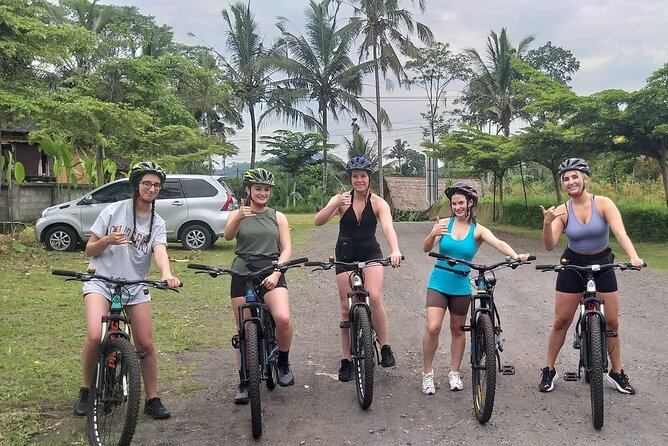
I especially like the private pace. With your own guide and group, you can slow down for photos, pause for questions, and bike at the effort level that feels right for you. I also like that the tour uses loaner bikes and provides helmets, so you’re not scrambling for gear before you ride.
One consideration: it’s about 5 hours outdoors and requires moderate physical fitness. If you want lots of frequent photo stops, you might feel the pace is a touch tight, and the day depends on weather since it’s a ride plus a waterfall stop.
Key Highlights Worth Planning For
- Private guide, private timing so you can ride at your own speed and ask real questions
- Loaner bike plus helmet included which keeps the start simple
- Village temple time with ceremony context, including what things mean and how they fit into daily beliefs
- Hidden waterfall ticket and donation built into the experience, with a chance to swim
- Balinese lunch at the end (the tour description and day-end meal match this)
- School visit if in session, so you may see day-to-day village life up close
A Half-Day Ride Through Rice Fields and Real Villages Near Ubud
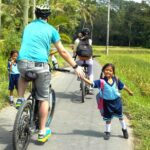
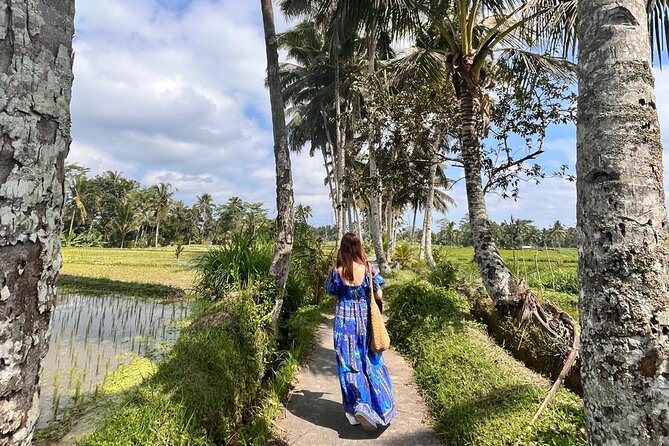
This is the kind of Bali day trip that trades busy sightseeing for slower movement and human-scale moments. You’ll cycle through the countryside near Ubud, with green rice areas along the way and stops that feel connected to everyday life rather than staged viewing.
What makes it work is the rhythm. You ride, you stop, you learn, you ride again. It’s not just a workout. It’s a guided route that helps you understand what’s around you as you pass it.
You can also read our reviews of more cycling tours in Ubud
Price and What You Actually Get for $41
At about $41 per person for a 5-hour private outing, the value comes from the mix of extras that usually cost more on their own. You’re getting loaner bicycles, a helmet, bottled water, entrance fees for the waterfall area (plus a donation), and a guide to lead the route and explain cultural stops.
The big question mark is lunch. The tour overview says a Balinese lunch is included, and the day ends with that meal in practice, but the listed “included” items don’t explicitly say lunch. Before you go, confirm with the operator that lunch is included for your date, especially if you have dietary needs.
How Private Touring Changes the Feel of the Day
A private bike tour sounds like a marketing phrase until you experience what it changes. Here, it means you don’t have to match a large group’s pace, and you’re not stuck waiting every time you want to ask something.
It also matters for timing around water and village stops. If someone in your group needs extra time (a bathroom break, gear adjustment, a slower moment), you don’t have to negotiate with a crowd. Your guide can shape the day around your group’s rhythm.
Starting Near Tukad Cepung, Then Bike Setup and Route Basics
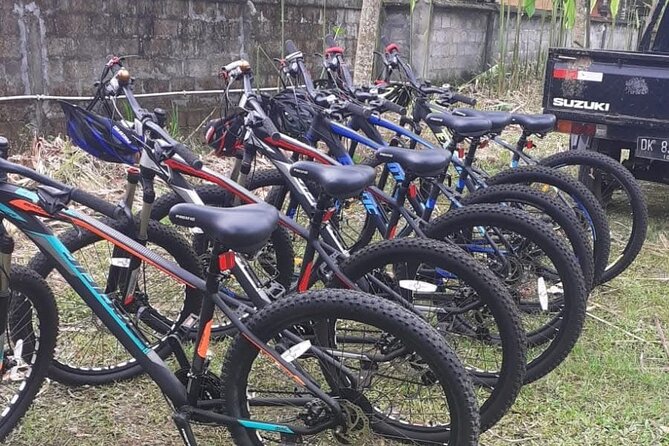
The tour starts back at the meeting area near Tukad Cepung waterfall (Central parkir waterfall Tukad Cepung, Jl. Tembuku, Tembuku, Kec. Tembuku, Kabupaten Bangli, Bali 80671). The tour also ends back there.
Before rolling, expect the essentials: helmets, bike checks, and a short briefing so you feel comfortable on the route. If you’re sensitive to speed or brakes, do yourself a favor and ask your guide to show you how the bike feels before you start. One rider mentioned a brake issue, and that’s exactly the kind of thing you want fixed early.
A detail I appreciate is that the ride is reported as mostly downhill. That doesn’t mean it’s effortless, but it does mean the day tends to feel like scenery plus gentle effort rather than a punishing grind uphill.
Rice Paddies and Village Tracks: What the Riding Feels Like
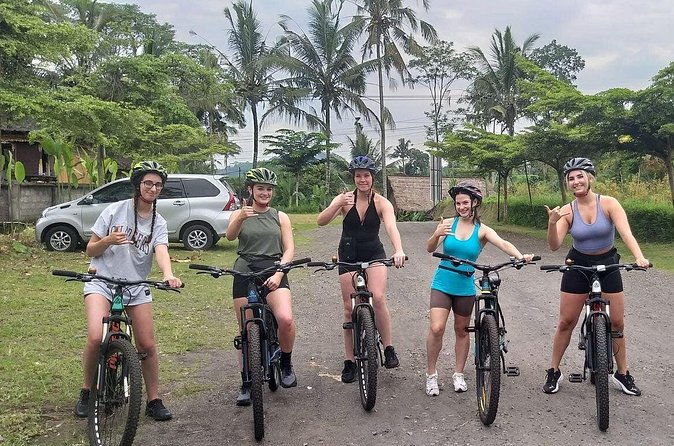
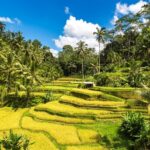
The cycling portion is where the tour earns its “rural” tag. You’ll pass rice paddies and small village areas, watching how daily life sits alongside the scenery. The best part is that you’re not just looking at Bali, you’re moving through it at the pace locals would recognize.
For many people, the goal here is “active but not exhausting.” The tour is listed for moderate fitness, and that matches the typical feel: enough physical movement to feel like you did something, but not so much that you spend the whole day suffering. Still, if you haven’t ridden a bike in a while, you’ll want to take it easy on the first stretch.

Temple and Ceremony Stops: Culture Explained in Plain Language
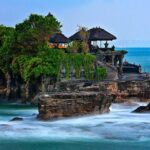
You visit a temple during the ride, and this is where the guide’s role really shows. Several people highlighted their guide’s ability to explain ceremony and religion in a way that made the meaning click as they stood in the place itself.
One guide name that comes up is Ketut. People say he explained the customs behind what was happening and answered questions as the day moved along. That’s the difference between “we saw a temple” and “I understood what I was looking at.”
Also, some versions of this experience include a purification ritual at Tirta Empul. The cleansing theme shows up in the stories shared from the day, and if Tirta Empul is on your route, plan for a respectful, focused stop. This is not just a photo break. It’s a religious practice with its own rules and pacing.
A Traditional Compound and Architecture Learning Moment
After the temple, you’ll stop at a compound to learn about local architecture and village life. In practice, this can include a deeper look at traditional living spaces and the structures that matter to how people organize family and community.
A specific mention from the day is a priest living compound. That aligns with the idea of visiting a traditional compound, not a random viewpoint. You’re meant to leave with a better sense of why buildings look the way they do, and how space supports belief, family roles, and community routines.
This part is short enough to keep the day moving, but meaningful enough that it feels like you got more than basic sightseeing. The goal is understanding, not spectacle.
If School Is in Session, You Might Add a Real-Life Stop
One of the quietly powerful details is that the tour can include a local school visit if school is in session. If it’s on your date, it’s a chance to see authentic daily life and interact with Balinese students.
This is also a moment where you should stay flexible. School schedules are not made for tours, so timing may shift slightly. When school stop happens, keep the tone respectful, and follow your guide’s lead on what’s appropriate.
If your schedule is tight, you’ll also want to know that this stop is conditional. That’s normal for village-based experiences, and it helps make the day feel grounded in real routines.
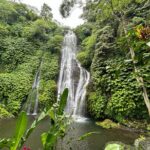
Hidden Waterfall Time: Photos, Relaxing, and a Possible Swim
The day ends with a stop at a hidden waterfall area, where you can take photos and relax. Entrance fee and donation support for the waterfall stop are listed as included, which helps because waterfall sites can involve small costs that add up.
The waterfall stop comes with the real-world requirement that you may get wet. One rider called the waterfall breath-taking, and multiple hints point to the opportunity to swim when conditions allow.
This is why the “bring” list matters. Pack change clothes, a bath towel, and slipper-style footwear. If you forget, you’ll end up drying off with whatever you have, and that’s not how you want to wrap a half-day ride.
Lunch at the End: Local Food After You Work Up an Appetite
The tour overview says you get a Balinese lunch, and the day experiences described include a satisfying meal after the ride. I like this structure because it rewards effort with something local, when you’re hungry from biking and walking around.
Just note the mismatch between “Included” and the overview. The overview strongly suggests lunch is part of your ticket value, and the tour stories reinforce that meal happens at the end. Still, I recommend confirming lunch inclusion when you book, especially for vegetarian or dietary restrictions.
Also, if you’re the type who hates waiting after activities, you’ll likely appreciate that lunch is the final wrap-up. You’re not switching back into driving mode first, you’re refuel-first, ride-ends-then-eat.
What to Bring So the Day Feels Easy
This is an outdoor ride with possible water time, so pack like you’re doing a half-day outdoors, not a “quick sightseeing” outing.
Use the guide’s suggested items as your baseline:
- change clothes
- bath towel
- slippers
- sunscreen
- mosquito spray
- cash
A practical tip: keep your sunscreen and mosquito spray within easy reach. If you only remember after you’re a few minutes into the ride, you’ll be stuck slowing down later. Also, bring cash even if you think you won’t need it, since you never know when you’ll spot something worth buying at a village stop.
Getting the Most Out of the Ride: Questions to Ask Your Guide
This tour is at its best when you treat it like a conversation as much as a biking outing. When you stop at a temple or a compound, ask simple questions that help you connect what you see to how people live.
Here are a few questions that fit what guides like Ketut are known for explaining:
- What does this ceremony mean, and what’s the timing about?
- Why do the buildings and compounds look the way they do?
- What should I notice here that tourists usually miss?
Your guide can also help with photo timing. One person wished for a few more photo pauses, so don’t hesitate to ask for a quick stop when scenery looks perfect.
Small Performance Details That Matter on a Bike Day
Bike days run on small logistics. Two things can make or break your comfort:
1) Bike condition, especially brakes
2) Pace consistency on downhill stretches
Loaner bikes and helmets are provided, which lowers friction. Still, do a quick functional check at the start. If something feels off, say so right away rather than waiting until you’re already rolling.
Support is also part of the setup. One day described having two guides and a follow car with a spare bike. Even if that detail varies by departure, you can take comfort in the fact that this type of route typically expects minor bumps, with a plan to keep you moving.
Who This Tour Is Best For, and Who Should Skip It
This tour makes sense if you want:
- a countryside bike ride near Ubud
- cultural stops led by someone who can explain customs and beliefs
- a waterfall stop with time to relax
- a private day that can match your pace
It may not be ideal if:
- you need lots of fixed, long photo stops built into the schedule
- you dislike any chance of getting wet (even with a towel ready)
- you cannot handle moderate physical activity for about 5 hours
It’s also not recommended for babies, which is reasonable for a cycling and walking day.
Should You Book Bali Rural Village Bike?
If your ideal Bali day is active, scenic, and human-scale, I’d book this. For about $41, you’re not paying just for a bike ride, you’re paying for a guided route through villages, temple context, and a waterfall stop where the day ends with time to swim and a meal afterward.
If you’re the kind of traveler who wants luxury amenities, this is not that day. It’s simple, outdoorsy, and the value comes from the access to local spaces and the guide’s explanations. Bring the gear for water time, confirm lunch inclusion when you book, and ask for pauses when the views look too good to rush.
If you want one balanced reason to say yes: a private bike day here gives you both movement and meaning, not just movement.
FAQ
How long is the Bali Rural Village Bike tour?
It’s approximately 5 hours.
Where does the tour start?
The meeting point is Central parkir waterfall Tukad Cepung, Jl. Tembuku, Tembuku, Kec. Tembuku, Kabupaten Bangli, Bali 80671, Indonesia. The tour ends back at the meeting point.
Is this tour private?
Yes. It’s a private tour or activity, and only your group will participate.
What’s included in the ticket?
Included items are bottled water (one mineral water per participant), a helmet, and entrance fees for the waterfall area, including a donation ticket.
Is lunch included?
The tour overview says a Balinese lunch is included, and the day ends with a local meal. The list of included items provided focuses on water, helmet, and entrance fees, so it’s smart to confirm lunch inclusion when you book.
What should I bring?
Bring change clothes, a bath towel, slippers, sunscreen, mosquito spray, and cash.
Do you visit a school?
If school is in session, the tour can include a visit to a local school to see daily life and interact with Balinese students.
More Cycling Tours in Ubud
More Tour Reviews in Ubud

Not for you? Here's more nearby things to do in Ubud we have reviewed



Tour Reviews, compared.
 ★ 5.0All-Inclusive Ubud Private TourFrom $10014,344 reviews
 ★ 5.0Best of Ubud Full-Day Tour with Jungle SwingFrom $568,571 reviews
 ★ 5.0Monkey Forest, Jungle Swing, Rice Terrace, and Water TempleFrom $317,160 reviews
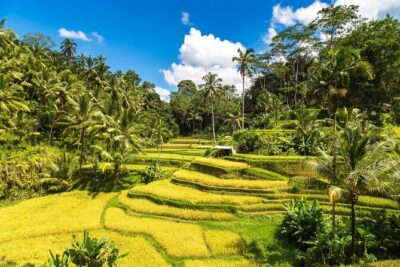 ★ 5.0Best of Ubud 1-Day Private TourFrom $544,451 reviews
 ★ 4.4Bali: Ubud Palace Legong Dance Show TicketFrom $63,979 reviews
 ★ 5.0Uluwatu Sunset, Kecak Dance, and Dinner Jimbaran BeachFrom $353,681 reviews
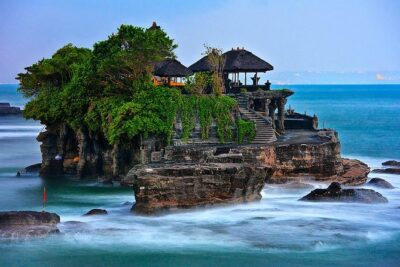 ★ 5.0Tanah Lot and North Bali Tour: Scenic JourneyFrom $1003,620 reviews
 ★ 5.0Body Massage Experience in Ubud Traditional SpaFrom $213,506 reviews
Browse the lists this tour appears in