

Tour review · TOUR REVIEWS
Bali Culture Tour
One plan, zero stress. This Bali Culture Tour bundles five major Ubud sights with included entrance fees and a guide who handles the day for you, so you spend less time figuring stuff out and more time enjoying what’s in front of you. I especially like the worry-free pickup and ticketing, plus the fact that Nyoman can stay flexible if weather changes your timing. The one thing to consider is that optional add-ons at stops, like giant swings, are not included, so you would need to arrange those yourself ahead of time.
Because it’s a private tour, you’re not sharing the ride or the pacing with strangers. You get a full morning-to-afternoon rhythm, and it ends back at Ubud Central Parking. It’s also the kind of day that works well if you don’t want to mess with taxis, phone battery anxiety, or scooters.
You should expect about 8 to 9 hours total, with short-to-medium visits at each place. Most people can participate, and if you need quick errands during the day (ATM, grocery, pharmacy), those extra stops are allowed with no extra charge.
Key Things I’d Book This For
- Nyoman handles tickets and the day flow, so you’re not juggling entrances and directions
- Entrance fees are included for the listed stops, which adds real value
- Tegalalang rice terraces give you more than photos, you learn what keeps the irrigation going
- Tirta Empul ceremony context helps you understand what you’re watching
- Coffee plantation + process at Segara Windhu, including how beans go to roasting
- Barong and fire dance is performance, but tied to village meaning
Why This Ubud Culture Day Feels Low-Stress
This tour is built for people who want Bali without turning the day into a logistics project. The core idea is simple: Nyoman organizes it all, including standard entrance fees, so you’re not calculating ticket costs in your head at every stop. You’re also not spending your time hunting for where to eat, waiting around in traffic, or trying to coordinate rides between scattered attractions.
A big plus is that pickup is offered, and the tour uses a mobile ticket. That matters more than it sounds. When you’re moving around Ubud, small delays can snowball. Having the ticket situation handled keeps the schedule smoother, especially in rain, when plans can change quickly. That flexibility showed up in the real-world feedback, where Nyoman adapted to weather and schedule so the day stayed enjoyable instead of frustrating.
The other practical benefit is that you keep your hands free. At lunch time, you go to a local spot to order from the menu, while Nyoman looks after your belongings in the car. If you’ve ever carried a phone and bag around while trying to eat, you’ll understand why that’s a relief.
This is also a private tour, so pacing is calmer. Instead of a rushed, conveyor-belt feel, you have room to pause for photos and just take in each location. It still has structure, but you’re not constantly asked to move on at the exact same moment as everyone else.
You can also read our reviews of more tours and experiences in Ubud.



Tegalalang Rice Terraces: UNESCO Views Plus Subak Irrigation
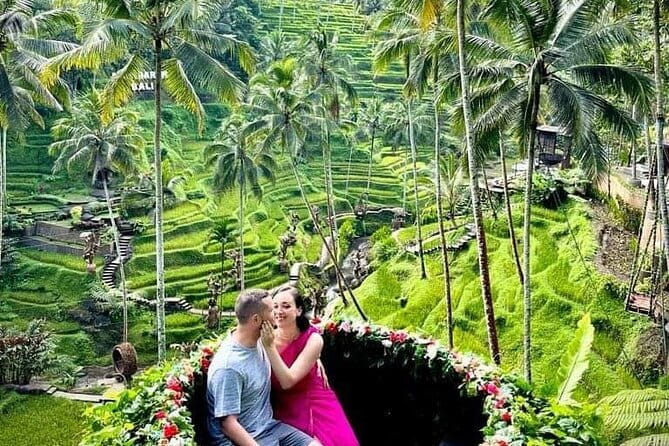
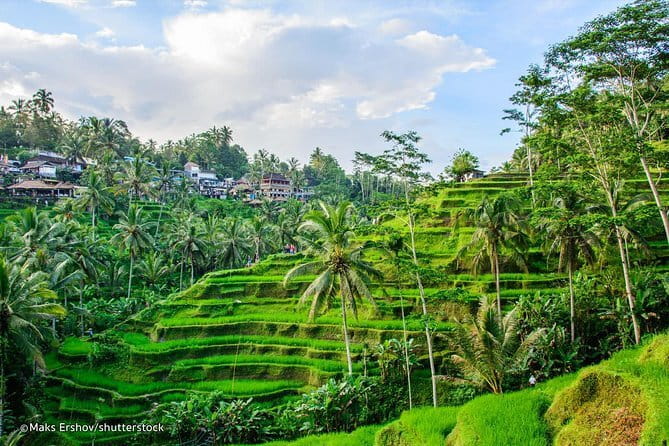
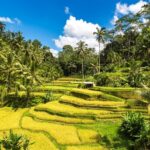
The first stop is Tegalalang Rice Terrace, a UNESCO-listed area known for the iconic look of Bali’s terraced rice fields. This is one of those places where you can feel why it became famous. The views are green and layered, and the terraces run deep enough that even short photo sessions can turn into longer “just looking” moments.
What I like here is that it’s not presented as scenery only. You also get context about Bali’s agricultural heritage, especially the Subak irrigation system, which is still part of how water reaches the fields. That detail changes the way you see the terraces. You start noticing the structure, not just the color. It’s not only a pretty scene, it’s a working system shaped by tradition and cooperation.
That said, Tegalalang can get busy. Since your visit is part of a full day schedule, you might not have the long, slow wandering time you could get on your own. Still, you’re there for about an hour, which is enough for a good circuit, a few viewpoint stops, and time to settle your footing before moving on.
If you’re photographing, aim to take a few minutes to look first. The terraced pattern makes better sense once you understand the layers and how water movement would connect them. That small mindset shift turns your photos from random angles into images that actually show what makes the place special.
Tirta Empul Temple: What the Cleansing Ceremony Means
Next is Tirta Empul Temple, where Balinese Hindus historically visit to take part in a sacred cleansing ceremony. This is not a “walk through and move on” site. The ceremony is the point, and that means your attention naturally shifts from scenery to people, ritual steps, and the feel of the space.
You’ll typically spend around two hours here. That extra time matters, because it gives you a chance to understand what you’re seeing instead of viewing it like a show. You also get insight into the idea of purification for both body and soul. Even if you’re not there for religious practice yourself, that background helps you recognize the intention behind what people do at the water sources.
One thing to keep in mind is that religious spaces have their own rhythm. When a ceremony is happening, you should avoid turning it into a casual background moment. Watch, observe, and give people room to participate. The best experience is when you behave like a respectful student, not a tourist rushing for a perfect shot.
Also, this stop can be affected by the day’s conditions, and the guide’s flexibility becomes valuable. If the timing shifts due to weather or crowd flow, Nyoman can adjust so you still get value from the time you spend there.
In practical terms, Tirta Empul pairs well with Tegalalang. After seeing how water systems support agriculture, you move to a place where water is central to spiritual meaning. It creates a nice theme for the day: how water shapes life in Bali.
Segara Windhu Coffee Plantation: From Bean Care to Roasting
After the temples and terraces, you shift to something more hands-on at Segara Windhu Coffee Plantations. The focus here is coffee growing heritage and sustainable farming practices. You’re not just hearing marketing talk. You get an explanation of the process behind Bali’s coffee, specifically from careful cultivation of beans to the art of roasting.
This stop is about an hour, and for most people that’s the right length. It’s long enough to understand the story, and short enough that you don’t feel stuck when the day is already running warm or wet. If you like food experiences that explain how products actually get made, this is a nice change from “just looking” at sights.
A practical benefit is that coffee plantations also give you a mental reset between more intense stops. After Tirta Empul, your senses may feel full. A coffee explanation brings you back into something calmer and more conversational.
If you’re hoping to buy coffee, keep your expectations grounded. This tour includes admission fees, but it doesn’t promise that every tasting or purchase is free. What you will get is knowledge and a chance to see the chain of how cultivation leads to roasting. That’s the part that makes your souvenir smarter than just paying for a bag.
Tegenungan Waterfall: Jungle Scenery With Spiritual Notes
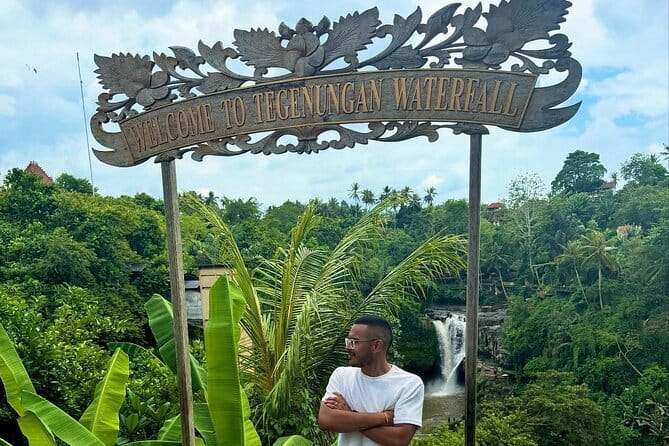
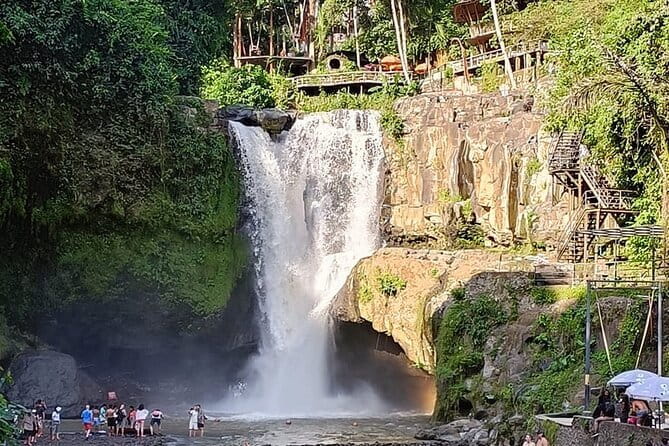
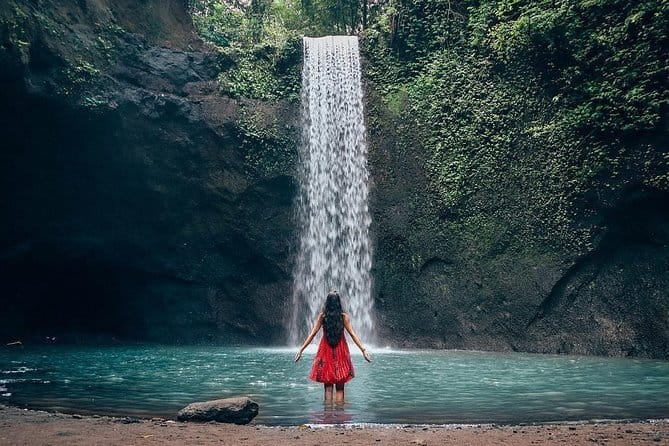
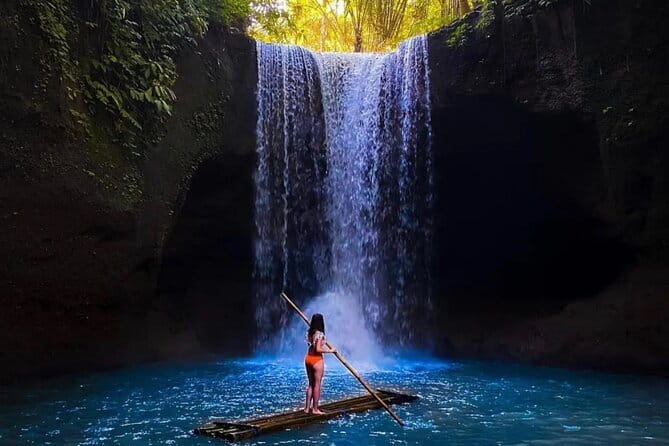
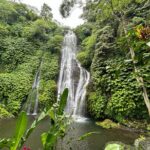
Then you’re at Tegenungan Waterfall, a cascade surrounded by lush jungle surroundings. This is one of those Bali “wow” stops where photos look good because the place delivers. You’ll spend around an hour here, which typically works well for walking to viewpoints, taking photos, and experiencing the sound and mist of the falls.
What sets Tegenungan apart on this tour is the spiritual framing. The waters are considered purifying and healing in Balinese tradition. That doesn’t mean you need to follow any religious practice to enjoy the stop, but it gives you a deeper lens than typical waterfall tourism. You’re not only checking off a waterfall, you’re learning why locals treat it with respect.
The one practical consideration is that waterfalls can mean slippery surfaces and changeable conditions. Wear shoes with decent traction, keep your footing careful, and watch how people move. If it rains, waterfalls can get louder and the ground can be slick. Nyoman’s flexibility with the day helps here too, since he can manage timing and keep you from feeling trapped waiting in bad weather.
Also, this waterfall stop has a “time window” feel. If you linger too long, you risk pushing the rest of your day later. If you want photos and a calm moment, aim for a balanced pace: one main viewpoint circuit, then a short break, then head back.
This stop is great for couples, friends, and solo visitors who want a mix of culture and natural beauty without sacrificing the cultural learning.




Barong and Fire Dance: Good vs Evil as Village Performance
The final major experience is Sahadewa Barong Dance & Fire Dance, which runs for about 1.5 hours. This is where Bali mythology becomes a stage event. The Barong is a protective spirit, meant to ward off evil forces. The performance depicts the eternal battle between good and evil through costuming, movement, and lively music.
If you’re worried this will feel like a generic show, the context here helps a lot. Knowing that Barong connects to protection and spiritual meaning changes how you watch. You start tracking not only the choreography, but the message the dance is carrying.
Fire dance adds intensity. The visuals can be striking, and the show’s momentum means you’re less likely to get bored. It’s also a strong closer to the day. After water rituals and coffee processing, you end with an emotional, energetic performance that feels distinctly Balinese.
A practical note: since it’s a set show, it works best when you arrive with a calm mindset. This is not the stop to rush. Let the performance lead, and use the explanations to make sense of the story as it unfolds.
Price and Value: What You’re Really Paying For
At $56.86 per person, this tour is priced for people who want value without self-planning. The big “value lever” is that entrance fees are included for the listed stops. That matters in Bali, where individual ticket costs can stack up quickly once you add up multiple attractions in one day.
The second value lever is the stress reduction. You’re paying for organization, pickup, ticket handling via mobile, and a guide who can coordinate your route without you having to manage every turn. For many visitors, that saves more than money. It saves mental energy.
The third value lever is private group pacing. This is not a crowded bus tour. It’s your group only, which usually means fewer awkward delays and less time feeling like you need to keep up. In real-world terms, that kind of calm pacing often turns a tiring day into a memorable one.
Also, you’re not locked into only the listed stops. If you need an ATM, grocery, or pharmacy stop during the day, those extra stops are allowed with no extra charge. That flexibility is genuinely useful. It means you can handle practical needs without breaking the tour rhythm or paying for a separate outing.
Lunch is part of the day as a local stop where you order from the menu. So you should expect to pay for your meal directly at the restaurant. The value here is that you get to eat somewhere recommended by your guide, without the hunt for a place while everyone else is tired and hungry.
Overall, this is a solid deal if you want a full, structured Ubud day with key cultural stops and a guide who makes it easier.
Should You Book This Bali Culture Tour?
Book it if you want a full Ubud day that mixes agriculture, temple ritual, coffee, a waterfall, and a dance show, without turning your trip into a planning spreadsheet. This tour is especially smart if you do not want to handle taxis, you prefer having tickets managed, or you’d rather not stress about finding food between stops.
Also book it if you like learning while you go. The explanations around Subak irrigation, the meaning of Tirta Empul cleansing, and the coffee process are what make the day feel more than a checklist.
Skip it, or at least plan extra time, if your style is purely free-form. Since the day is organized around set stops and show timing, you won’t have unlimited wandering. And if you’re planning add-ons like giant swings, you’ll need to organize those separately.
If you want a smooth first Bali day, or you want one “anchor” outing that covers a lot of what Ubud is known for, this is a strong choice.
FAQ
Is pickup available for the Bali Culture Tour in Ubud?
Yes. Pickup is offered. The tour also starts at Ubud Central Parking on Jl. Suweta No.18 in Ubud and ends back at the meeting point.
What is included in the tour price?
The price includes standard entrance fees to the listed locations. The tour also uses a mobile ticket.
How long does the tour take?
The tour runs about 8 to 9 hours.
Is lunch included?
Lunch is included as a stop during the day at a local spot. You order from the menu when you get there.
Can I add extra stops like an ATM or pharmacy?
Yes. Additional stops for things like an ATM, grocery, or pharmacy are allowed, and there is no extra charge.
What is the cancellation policy?
You can cancel for a full refund up to 24 hours before the experience starts. If you cancel within 24 hours of the start time, the amount paid is not refunded.
More Tours in Ubud
More Tour Reviews in Ubud
Not for you? Here's more nearby things to do in Ubud we have reviewed








Tour Reviews, compared.
 ★ 5.0All-Inclusive Ubud Private TourFrom $10014,344 reviews
 ★ 5.0Best of Ubud Full-Day Tour with Jungle SwingFrom $568,571 reviews
 ★ 5.0Monkey Forest, Jungle Swing, Rice Terrace, and Water TempleFrom $317,160 reviews
 ★ 5.0Best of Ubud 1-Day Private TourFrom $544,451 reviews
 ★ 4.4Bali: Ubud Palace Legong Dance Show TicketFrom $63,979 reviews
 ★ 5.0Uluwatu Sunset, Kecak Dance, and Dinner Jimbaran BeachFrom $353,681 reviews
 ★ 5.0Tanah Lot and North Bali Tour: Scenic JourneyFrom $1003,620 reviews
 ★ 5.0Body Massage Experience in Ubud Traditional SpaFrom $213,506 reviews