Balinese Cooking Class at Organic Farm

Tour review · TOUR REVIEWS

Balinese Cooking Class at Organic Farm

5.0 · 51 reviews From $40 Operated by Mai Organic Farm · Bookable on Viator
Book on Viator →

Cooking in Bali starts with the garden. This Balinese cooking class at Mai Organic Farm turns the usual cooking lesson into a farm visit, ingredient picking, and a wood-fired meal. You also learn how Bali’s Subak system supports local farming.

What I really like is the hands-on format. You cook six Balinese dishes (not just watch), and the class keeps the group small so questions do not get lost.

The main thing to consider is timing and comfort. It runs about 5 hours, and it needs good weather since the day depends on being outdoors and moving around the farm.

Key things that make this class worth your time

Balinese Cooking Class at Organic Farm - Key things that make this class worth your time

  • Organic ingredient picking on the farm before you cook
  • Six Balinese dishes plus drinks like herbal tea and Balinese coffee
  • Small group experience (eight is mentioned, and the activity listing caps at ten)
  • Wood-fired cooking that feels traditional, not staged
  • Round-trip pickup from central Ubud hotels and rentals
  • Support for local farmers connected to the Mai Organic Farm community in Pejeng

Mai Organic Farm and the simple idea behind the class

Balinese Cooking Class at Organic Farm - Mai Organic Farm and the simple idea behind the class
If you like cooking classes that feel real, this one has a built-in advantage. It starts on an organic farm outside Ubud, not in a kitchen that could be anywhere in the world. That matters because you are not only learning recipes, you are seeing where the flavors come from.

The setting is Mai Organic Farm Bali, in the Pejeng area near Tampaksiring (your meeting point is listed at Mai Organic Farm Bali, Subak Kana, Banjar Panglan, F7RW+M98). The program mixes farming context with practical cooking steps. So even if you are not a big history person, you still come away with useful understanding of how local agriculture works.

And because the class is capped small, you get more time with the people running it. That helps a lot when you want to adjust spice balance, sauce consistency, or how to shape a dish like sate lilit.

You can also read our reviews of more cooking classes in Ubud

The arrival ritual: welcome drink, farm intro, then straight into it

Balinese Cooking Class at Organic Farm - The arrival ritual: welcome drink, farm intro, then straight into it
The experience begins at the farm with a welcome drink. The mood is low-key, shaded, and friendly, which sets you up for the next step, a walk through the community farm.

Right away, you get an explanation of the community movement and how they grow organic produce. Then you move from relax mode to feet-on-the-ground mode, walking along the community farm and learning what makes their approach different from conventional agriculture.

This part is more than a warm-up. It helps you cook with better context. When you understand what you’re picking and why it’s grown the way it is, you pay closer attention to texture, aroma, and how long certain ingredients take to cook.

A small practical note: the day is outdoors for parts of it. If you are sensitive to sun or humidity, plan to use what you have on hand, like sunscreen, a hat, and a light layer.

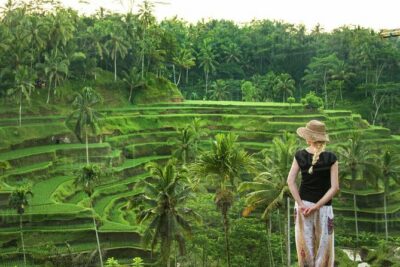
Walking the fields and learning Bali’s Subak system

One of the most interesting parts of the program is the farm talk tied to Bali’s UNESCO-protected Subak system. Subak is the traditional water management system used by farming communities across Bali, and it is recognized as World Heritage.

In this class, you learn about it during your walk on the way to ingredient picking. That is a smart way to teach it, because you are seeing the working landscape rather than only hearing a lecture.

Even if the details are new, you still end up with a simple takeaway: local farming in Bali is not just about crops, it is also about water, timing, and community coordination. Once you get that, it clicks with the food. You can taste the care that goes into the ingredients, and you understand why it is important that the farm supports local farmers and income.

Harvesting your own ingredients for the six-dish meal

After the farm intro, you pick ingredients for your cooking class. This is one of the strongest reasons to book, because the picking changes the whole experience.

You walk through the community farm, then choose produce and herbs you will use later. People often expect herb picking to be a quick photo moment. Here, it’s more practical. You are selecting what you will actually cook, so you remember ingredients better and understand how they behave in a recipe.

This also makes the class family-friendly in a way most cooking lessons are not. Kids can do the hands-on part, the adult can handle the cooking steps, and everyone gets to feel useful from the start. The ingredient picking gives younger participants a job, not just a seat.

One tip for this stage: take a second to smell and notice the herbs you pick. Many people think they know what lemongrass, herbs, or spices smell like. Then they smell them right on the plant and it makes the rest of the day easier.

The center at Mai Organic Farm and the juice break

Balinese Cooking Class at Organic Farm - The center at Mai Organic Farm and the juice break
Once you arrive at the center of the community, there’s a refreshing break with juice made from vegetables and fruit from local farms. This is a nice palate reset before cooking.

It also sets the tone for the drinks you will be making later. The class includes more than just food. You are also working with flavors in liquid form, like infused water, herbal drinks, and tea.

If you are watching what you eat, this is a helpful section. You can see that the program is focused on freshness rather than heavy sauces or deep frying as the default.

Then it’s time to move into cooking, with the group split into a shared, communal workflow.

A few more Ubud tours and experiences worth a look

Cooking six Balinese dishes the hands-on way

Balinese Cooking Class at Organic Farm - Cooking six Balinese dishes the hands-on way
The core of the class is cooking six Balinese dishes. The menu examples mentioned include sate lilit (a traditional Balinese minced-meat skewer dish), tuna sate, and corn fritters. The class also includes other Balinese favorites, so plan on a full meal, not a snack.

Cooking on a traditional setup is a highlight. The class uses outdoor cooking with a wood-fired stove, which is a big difference from a typical indoor demo kitchen. You feel the heat, the timing matters more, and the final flavors lean more authentic because the process is traditional.

What I like about the way this class is described is that participation is flexible. You can participate as much or as little as you want, which is ideal if you are traveling with a mix of confident cooks and people who just want to learn without pressure.

A quick practical reality check: six dishes in about five hours means it’s active. Expect chopping, mixing, shaping, and cooking steps that rotate through the group. If you like slow pacing, this might feel busy. If you like doing, tasting, and learning fast, it fits perfectly.

If you care about accuracy, pay attention to the spice and sauce steps. That is where most cooking classes become different from meal to meal. In this program, you are building the flavors using ingredients you picked on the farm, so it is easier to replicate later.

The dishes you learn, plus what to watch for

Here are the dishes and flavors highlighted in the class description and examples:

  • Sate lilit kebab (Balinese minced and shaped skewer style)
  • Tuna sate
  • Corn fritters
  • Herbal drinks, plus tea and coffee options

Even if you are not sure you will love every dish, you will learn techniques that apply across Balinese cooking. That is the real value: you leave with method, not just recipes.

Drinks matter here: infused water, herbal tea, lemongrass, and coffee

Balinese Cooking Class at Organic Farm - Drinks matter here: infused water, herbal tea, lemongrass, and coffee
Food is only part of the story. This class also includes a set of drinks that come from garden ingredients and Balinese preferences.

You’ll have:

  • Sip juice
  • Infused water
  • Herbal drinks
  • Balinese coffee
  • Lemongrass tea

This matters because many cooking classes stop at eating. Here, you get a fuller picture of how Balinese meals feel. Drinks shift the flavor profile, cleanse your palate, and give you a chance to taste ingredients like lemongrass outside of a dish context.

Also, lemongrass tea and herbal drinks are easier to repeat at home than the most complex savory dishes. If your goal is to bring something back that you will actually make, the drinks are a strong bet.

Lunch in a tranquil gubuk: the social part that actually feels natural

Balinese Cooking Class at Organic Farm - Lunch in a tranquil gubuk: the social part that actually feels natural
After cooking, you eat the meal together in a tranquil gubuk, which is a hut setting. This is one of the most underrated aspects of a cooking class: the sit-down time.

Cooking can be chaotic in a good way, but sharing the meal makes it calm and memorable. Everyone eats together, and you compare what you thought would work versus what ended up being surprisingly delicious.

This communal structure is also why the small group cap matters. With fewer people, your meal feels like a shared project, not like being seated with strangers in a restaurant.

If you want an experience that feels cultural, the setting helps. It brings the cooking into the everyday rhythms of the place, rather than acting like a performance.

Pickup in central Ubud and how to plan your day

The class includes round-trip transfers from central Ubud hotels and rentals, which is a genuine convenience. It also keeps the day from becoming a transport project.

You’ll want to plan for a solid half day. The duration is listed at about five hours, and the day includes farm walking, ingredient picking, cooking, and eating. If you have other plans the same day, give yourself a buffer.

Booking ahead can help. The experience is typically booked about 17 days in advance, so if you are traveling during a busy season or weekend, you may want to lock it in earlier rather than later.

The class also uses a mobile ticket, so have your phone ready and charged. That sounds basic, but it avoids stress on the pickup day.

Price and value: what $40 buys you in real terms

At $40 per person, this class is priced like a mid-range cooking activity in Bali. What makes it good value is that you get more than a recipe session.

You get:

  • Farm walking and ingredient picking
  • Cooking on a wood-fired stove
  • Six dishes plus multiple drinks
  • Round-trip transfers from central Ubud
  • A small-group format focused on participation

That’s a lot bundled into about five hours. Many cooking classes at similar prices are heavier on watching and lighter on hands-on time. Here, the format is designed for you to do the work and eat what you make.

Also, supporting the Mai Organic Farm community in Pejeng is part of the mission described for the program. If you care about responsible travel, this is one of those activities where your money connects to local farming income and resources to improve quality of life, not just a one-off meal experience.

Who should book this class (and who might skip it)

This cooking class is a great fit if you want:

  • A hands-on Balinese food experience
  • A farm-to-table style lesson
  • A small group day with real participation
  • A traditional cooking feel with wood-fired heat
  • A cultural element tied to agriculture and the Subak system

It also works well with families, including kids old enough to enjoy herb picking and joining in the communal cooking. The ingredient picking gives them a role from the start.

You might think twice if you dislike outdoor time or you want a very slow, relaxed pacing. The class depends on good weather, and five hours can feel like a lot of active movement.

Should you book the Balinese Cooking Class at Mai Organic Farm?

If you want a cooking class that feels like it belongs in Bali, not a generic cooking set-up, this one is an easy recommendation. The farm walking, ingredient picking, wood-fired cooking, and full six-dish meal add up to real value for the price.

Book it if your priority is learning techniques, tasting garden-fresh ingredients, and bringing home recipes you can actually repeat. If weather might be unpredictable during your dates, plan to be flexible. When the day runs well, it’s the kind of experience that stays on your mental list long after you forget the average cooking demo.

FAQ

How long is the Balinese cooking class?

The class lasts about 5 hours.

What dishes and drinks are included?

You learn to cook six different Balinese dishes and you also get drinks such as sip juice, infused water, herbal drinks, Balinese coffee, and lemongrass tea.

Where does the class take place?

It takes place at Mai Organic Farm Bali in the Pejeng area, near Tampaksiring (meeting point listed at Mai Organic Farm Bali, Subak Kana, Banjar Panglan).

Is pickup included?

Yes. Round-trip transfers are offered from central Ubud hotels and rentals.

How big is the group?

The overview mentions a cap of eight travelers, and the activity listing states a maximum of 10 travelers.

What cooking equipment is used?

The class uses a traditional wood-fired stove for cooking.

What is the weather requirement?

This experience requires good weather. If it is canceled due to poor weather, you’ll be offered a different date or a full refund.

What is the cancellation policy?

Free cancellation is available. You can cancel up to 24 hours in advance for a full refund. Confirmation is received within 48 hours of booking, subject to availability.