Tour review · TOUR REVIEWS
Bali Spiritual Shamanic-Palm Reading, Temple Healing Tour
Some days in Bali feel like a reset button. This Ubud tour strings together temple cleansing and a guided meeting with a local healer, with classic sights like Tirta Empul and Goa Gajah. I also like that it is set up for a private group just for you, so the day stays personal instead of rushed and noisy.
Two standouts: the chance to follow a priest through a water purification ritual at Tirta Empul, and the option to wrap up with either a traditional palm reading or a mantra healing session. One thing to keep in mind, plan your time for a full half-day, about 6 to 8 hours, and expect to get wet and change clothes at the cleansing stop.
You will start in Ubud, get hotel pickup and drop-off, and move between sites with your guide throughout. Expect included temple essentials like a sarong and offering items, plus water, but still plan to budget for lunch on your own.
Key things to know before you go

- Private for your group: your experience stays focused on you, not a big bus crowd.
- Tirta Empul purification with a priest: you will do a guided spiritual cleansing at the water temple.
- Goa Gajah, an older UNESCO heritage site: Elephant Cave is tied to the 11th century.
- Choose your healing wrap-up: palm reading, mantra healing, or both depending on the options provided.
- You need a swim-ready mindset: bring a changing outfit, swimsuit, and towel for the sacred spring stop.
Entering Tirta Empul, the Water Temple Cleansing
Tirta Empul is where the day’s spiritual rhythm really starts. This stop is built around a water purification ritual led by a priest, not just a quick look-see. In practice, that means you are there to participate, follow instructions, and take the cleansing seriously.
One practical win here is the way the tour is timed. You get about 3 hours at the temple, so you are not forced to sprint from pool to pool and wonder if you missed the point. You also get some key items handled for you, like sarong and offering basics, so you can focus on the ritual rather than scrambling for supplies.
There is also a very Bali detail you should plan for: you will likely need to wear a swimsuit or be ready to get wet during the spring cleansing. The tour specifically asks you to bring a changing cloth, swimming suits, and a towel. If you ignore that and show up dry, you will spend the later part of the day uncomfortable, and comfort matters when you are trying to stay present.
A good mindset for this stop: treat it like a guided moment. Stay respectful, follow your guide’s lead, and do not rush your way through. Even if the spiritual side is new to you, the ceremony is part of how locals understand cleansing, balance, and intention.
You can also read our reviews of more tours and experiences in Ubud.
Goa Gajah and the Elephant Cave Stop That Breaks Up the Day

After Tirta Empul, the tour shifts from ritual participation to a more traditional sightseeing stop at Elephant Cave, also known as Goa Gajah. You get about 2 hours here, which is a sweet spot for taking photos, walking at a steady pace, and still leaving enough energy for the healing session afterward.
What I like about this stop is the built-in context. Goa Gajah is described as an Old UNESCO heritage site tied to the 11th century, so it is not just another temple sign on a map. You have a real chance to slow down, look closely, and connect what you are seeing with the sense of age and continuity you feel in Ubud.
A possible drawback is that this is a step down from the emotional intensity of cleansing, so you might feel a little whiplash if you want the whole day to stay strictly spiritual. If you are okay with that pacing, though, Goa Gajah works well as a reset. It gives you a visual break, and it keeps the day from feeling like one long ceremony.
Tip for your photo planning: keep an eye on where you stand and how you move. Temple areas can be uneven and busy, even when the group is private. I like to treat photography as the bonus, not the main goal, because the best moments tend to be the quiet ones you do not try to document.
The Healer Meeting in Ubud: Mantra Healing or Palm Reading

The heart of the tour, for many people, is the meeting with the healer at a local place in Ubud. This is where the experience turns from guided sightseeing into something more personal. The tour offers options for what you can do during this stop, either a mantra healing ritual, a traditional palm reading, or the combinations based on what you choose in advance.
This is also where I think the private format really matters. You are there with your guide and just your group, which makes it easier to ask questions and understand what is happening in the moment. A private setup helps you stay calm, especially if this is your first time with palmistry or shamanic-style healing.
What you should expect is a meeting guided by a local practitioner, focused on ritual treatment through either mantra practices or reading from the palm. The tour frames this as learning about Balinese shamanism from your guide, so you are not just sitting through a performance. The goal is context, so you know what you are seeing and why it might matter to people who practice it.
One thing to consider, if you are skeptical: keep your expectations flexible. This kind of session is about symbolism, belief, and personal meaning. You will get more value if you approach it like you would a cultural conversation, not a medical appointment. Ask what you can, listen carefully, and let your guide translate not only words, but tone and intent.
The best feedback around this part of the day consistently points to the warmth and communication from guides. Names that came up include Ade, Gede, Gusty, and Dek Kembar Bagus. People also mentioned great photo support and accommodating attitudes, which matters here because you will want your hands free and your mind settled during a personal ritual session.
How the Temple and the Healing Fit Together

The tour is built like a storyline. You start with cleansing at Tirta Empul, you pass through a major temple site at Goa Gajah, and you end with a healer session that uses mantra and/or palm reading for spiritual guidance.
That structure is not accidental. It mirrors how many visitors experience Bali in real life. You begin by grounding yourself in a place people treat as sacred, then you see that sacredness echoed in older temple heritage, and finally you bring your questions to a practitioner who offers guidance in a different form.
If you want the day to feel meaningful, I suggest you do two things. First, pick one goal for yourself before you go, like calming down, gaining clarity, or just learning without trying to force answers. Second, leave room in your brain for the possibility that the experience will not feel linear. Spiritual journeys rarely do.
Also, note the tour’s wording around wash away negative energy and connect to Balinese spiritual traditions inspired by Eat Pray Love style themes. You do not need to be a super fan of that book to get the point. The point is transformation through rituals, places, and conversation, with the practical support of your guide.
What You Get for $75: Value in Admissions, Ritual Items, and Time

At $75 per person, the value here is not just the price tag. It is what is bundled for that half-day window: pickup and drop-off, a live guide, temple entrance fees, bottled water, and the key temple prep items like sarong and offering needs. The tour also includes a donation for the priest, which is important because it signals respect and helps avoid awkward last-minute spending.
You are also getting three paid moments rather than one. Two sites include entrance tickets, plus the purification ritual element led by a priest. Then you add the healer meeting at a local place, with a choice of palm reading and/or mantra healing depending on the options provided. That combination is why the tour tends to land in the “worth it” category for people who want more than a quick checklist.
One practical consideration: lunch is not included, and it is listed as about $10. That is common in Bali tours, but you should still plan it. If you skip lunch, you will feel the day more in your body, and your ritual focus can slip.
Finally, the timing is reasonable for a Ubud day. With about 6 to 8 hours total, you still get a full experience without losing the rest of your Bali day to the itinerary. If you are staying in central Ubud, pickup and drop-off makes it easier too, and it is especially useful on days when you do not want to manage traffic and navigation.
Getting Ready: What to Pack and How to Stay Comfortable

This tour is a strong fit for people who like structure, but it does ask you to show up prepared. The biggest “do not forget” items are the clothing and water stop supplies. Bring a swimsuit, a changing cloth, and a towel. Wear something you can step into and out of without turning the day into a wardrobe challenge.
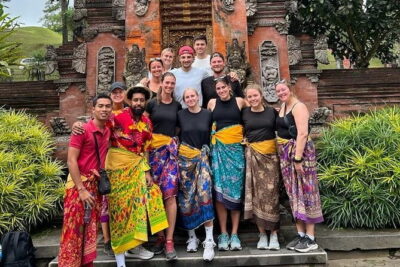
The tour provides a sarong and canang or offering items for temple use, so you do not need to buy those. Still, I recommend you wear simple, easy-to-remove clothing for the water portion. If you are tempted to bring complicated outfits, skip it. Your goal is to move smoothly through the day.
Footwear can also matter. You will walk around temple areas, and surfaces may be uneven. If you can, wear comfortable sandals with grip. Keep your valuables secure, and avoid bringing anything you cannot handle getting wet.
And one more soft skill: keep your phone permissions in check. Use it for photos when you can, but do not let it turn every moment into a content shoot. The tour works better when you let the ritual lead the pace.
Choosing Your Healing Option: Palm Reading vs Mantra Session

The tour gives you choice at the final stop, which is great if you are deciding based on your comfort level. If you are drawn to symbolism and reflective guidance, a palm reading is often the more straightforward entry point. If you prefer a ritual practice focused on spoken intention, a mantra healing session may feel more active.
Either option is guided through a local healer at a local place, and your guide helps frame what is happening. That matters because palm reading can mean very different things depending on the practitioner, and mantra practices can feel intense if you do not know what you are listening for.
If you are on the fence, choose the option that matches your personality for today. Quiet and curious leans toward palm reading. Nervous energy and a desire for movement and sound leans toward mantra healing. If both are available in your chosen setup, doing both can give you the full picture of how meaning and ritual intent show up in different forms.
The tour also positions this portion as learning about Balinese shamanism. You will get more value if you treat it as cultural learning plus personal reflection.
Should You Book This Ubud Healing Tour?

Book it if you want a structured spiritual day with meaningful stops, not just sightseeing. This tour is especially good for people who like temples, enjoy a guide who can explain what you are seeing, and are open to cleansing rituals plus a guided healer meeting.
Do not book it if you want a strictly “look only” itinerary. The experience includes a water purification ritual at sacred springs and asks you to bring the items to handle getting wet. If that sounds annoying rather than intriguing, you will probably feel frustrated.
If you do book, I’d make one smart move: decide in advance whether you want palm reading, mantra healing, or both based on what you will actually feel comfortable doing. Then pack for the water stop, arrive in a calm mood, and let your guide keep the day smooth.
Overall, for $75 with pickup, admissions, a live guide, priest donation, and the option for real spiritual participation, this is a strong value. The biggest edge is the private group setup plus the human touch from guides people cite, including Ade, Gede, Gusty, and Dek Kembar Bagus, who have been described as kind, accommodating, and helpful with photos.
FAQ
How much does the Bali Spiritual Shamanic-Palm Reading and Temple Healing Tour cost?
The price is $75.00 per person.
How long is the tour in Ubud?
The duration is about 6 to 8 hours.
Is hotel pickup and drop-off included?
Yes, pickup and drop hotel are included, and the tour ends back at the meeting point.
Are temple entrance fees included?
Yes. Entrance fees are included for the temple and the Elephant Cave stop.
What should I bring for the water purification stop?
Bring changing cloth, swimming suits, and a towel.
Do I choose between palm reading and mantra healing?
Yes. You choose the option provided for the healing session with the local healer, either palm reader, mantra healing, or the options available to you.
Is free cancellation available?
Yes, you can cancel for a full refund up to 24 hours in advance of the experience start time.
More Tours in Ubud
More Tour Reviews in Ubud
Not for you? Here's more nearby things to do in Ubud we have reviewed
Tour Reviews, compared.
★ 5.0All-Inclusive Ubud Private TourFrom $10014,344 reviews
★ 5.0Best of Ubud Full-Day Tour with Jungle SwingFrom $568,571 reviews
★ 5.0Monkey Forest, Jungle Swing, Rice Terrace, and Water TempleFrom $317,160 reviews
★ 5.0Best of Ubud 1-Day Private TourFrom $544,451 reviews
★ 4.4Bali: Ubud Palace Legong Dance Show TicketFrom $63,979 reviews
★ 5.0Uluwatu Sunset, Kecak Dance, and Dinner Jimbaran BeachFrom $353,681 reviews
★ 5.0Tanah Lot and North Bali Tour: Scenic JourneyFrom $1003,620 reviews
★ 5.0Body Massage Experience in Ubud Traditional SpaFrom $213,506 reviews
Browse the lists this tour appears in